Crucial Budgeting Tips for Smart Building Projects
25 June 2026
Smart building projects require clear financial planning from the very start. Managing expenses and integrating advanced technology can become difficult without a solid strategy. Commercial property owners need to balance automation goals with real-world financial limits.
Setting up intelligent automated systems involves many moving parts that can quickly drain your funds. Creating a realistic framework helps keep your commercial property development on track. Proper early preparation prevents unexpected expenses down the road.

Establish Clear Financial Goals Early
Every automation project needs a defined baseline – a financial starting point – before purchasing any hardware. Defining your financial boundaries helps prevent scope creep as new technologies emerge. Teams should agree on project targets before physical construction begins. This alignment prevents arguments later.
Smart features require significant upfront investments that pay off eventually. You can discover savings by researching bulk purchasing options for your automated infrastructure. Finding these deals early keeps the entire development within your financial comfort zone.
Setting clear parameters prevents teams from overspending on unnecessary software upgrades. Focus on the core systems that deliver the most immediate value to your property. Tracking your milestones closely guarantees that the primary goals remain affordable. Regular reviews protect your bottom line.
Balance Planning with Flexibility
Modern developments need an adaptable framework to handle shifting market conditions. A recent industry publication suggested that the current financial approach to new builds requires careful management to balance planning, control, and flexibility. Staying rigid can lead to project delays when technology specs change.
Managers must monitor their design expenses weekly to catch discrepancies before they grow. This consistent oversight allows teams to pivot without abandoning their primary automation objectives. Clean financial records keep stakeholders happy throughout the entire construction timeline. Transparency builds deep trust between partners.
Flexibility means leaving room for active adjustments without breaking your primary budget allocation. Smart infrastructure often evolves during the physical installation phase. Anticipating these shifts keeps your commercial project moving forward smoothly. Adaptable teams avoid costly administrative friction.
Allocate an Accurate Contingency Fund
Unforeseen challenges happen during any major commercial tech installation. Setting aside a dedicated reserve fund helps absorb those surprise expenses without pausing your construction schedule. Spending an extra $1000 during early planning saves tens of thousands later.
An online guide recently highlighted dedicated reserve percentages needed for different types of developments. These allocations vary depending on the scope of your physical structure:
- New builds typically require a financial cushion of 5 to 8%.
- Renovation and remodel projects require a higher reserve of 10 to 15%.
- Building automation upgrades should follow similar defensive planning models.
Using these defined benchmarks prevents you from underfunding your backup reserves. Older properties often hold hidden structural issues that require immediate remediation. Having the correct capital ready keeps your modern technology upgrades on track.
Account for Fluctuating Material Costs
Global supply networks frequently experience shifts that directly impact local raw component prices. An informative article explained that inaccurate cost forecasting occurs when fluctuating material prices distort project budgets. Estimates that look perfect on paper might fail in reality if procurement takes too long.
Securing supply agreements early protects your project from sudden commercial market spikes. Work with trusted suppliers who offer locked-in rates for electronic components and wiring. This protection keeps your financial projections accurate over many consecutive months. Locked contracts provide peace of mind.
Tracking material trends helps procurement teams buy assets at optimal times. Avoid ordering critical tech components during peak demand cycles when possible. Timing your purchases carefully preserves your capital for other urgent installation needs. Patience often yields excellent discount opportunities.
Design a Detailed Project Plan
A vague blueprint leads to miscommunication between tech engineers and general contractors. An industry report noted that a well-thought-out plan helps prevent mistakes, delays, and unnecessary costs during construction. Spending extra hours in the blueprint phase saves thousands during execution.
Map out every sensor location and cable pathway before your crew arrives on site. This extreme clarity eliminates guesswork for the electrical installation teams. Fewer structural mistakes mean less wasted material and lower labor expenses. Precision saves both hours and raw components.
Reviewing your blueprints with all subcontractors aligns everyone under one financial vision. When everyone understands the technology requirements, coordination improves across the entire site. Comprehensive planning serves as your best defense against expensive field alterations. Clear communication eliminates redundant construction steps.
Integrate Artificial Intelligence Workflows
Software solutions assist project managers in tracking real-time asset distributions. A technology forecast stated that generative artificial intelligence is becoming deeply embedded into the workflows of architecture, construction, and operations. These digital tools optimize scheduling to eliminate expensive downtime.
Automated tracking software flags budget overruns before they ruin your financial quarters. Algorithms analyze historical data to predict where your crew might encounter bottlenecks. This proactive stance gives you time to adjust assignments before losing money. Early interventions save tight project timelines.
Using modern digital systems reduces the administrative burden on your management team. Digital workflows help data flow seamlessly between field workers and accounting staff. Better communication directly translates to higher efficiency and reduced project overhead. Modern tools remove unnecessary paperwork delays.
Evaluate Long-Term Operational Efficiency
Initial installation numbers represent only a fraction of the total lifetime cost of a modern structure. A market analysis explained that deploying interconnected sensors, artificial intelligence-driven controls, and data analytics can deliver up to 30% energy savings. High initial outlays often shrink your ongoing utility bills.
Investing in smart infrastructure changes how property managers handle their monthly operations. These intelligent systems track usage patterns to lower your commercial overhead:
- Connected climate devices minimize electricity waste in unoccupied zones.
- Predictive maintenance alerts fix hardware before total system failure happens.
- Automated lighting arrays adjust brightness based on natural daylight availability.
These continuous operational reductions quickly offset the premium prices paid for advanced hardware. Tenants appreciate lower utility costs and more comfortable indoor spaces. Prioritizing efficient tech creates sustainable financial value that lasts for decades. Long-term asset value increases substantially.
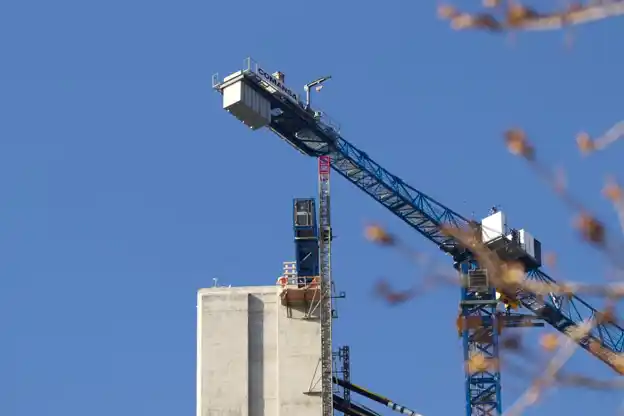
Smart building developments require balancing innovative software with strict spending controls. Managing your initial construction expenses involves careful oversight, clear milestones, and realistic planning models. This thorough approach keeps investors confident from start to finish.
Protecting your capital helps your high-tech features operate without financial strain. Implementing proper budgeting methods helps you complete your advanced building project successfully. Staying disciplined secures the long-term profitability of your commercial asset.
Comments on this guide to Crucial budgeting tips for smart building projects article are welcome.
Home Renovation

Bathroom Renovation Ideas for Home
Exterior improvements improve looks
New vaulted style of floor cuts concrete usage
++
Architecture Design
Comments / photos for the Crucial budgeting tips for smart building projects page welcome.