
Why Exterior Upgrades Often Protect More Than Appearance
5 June 2026
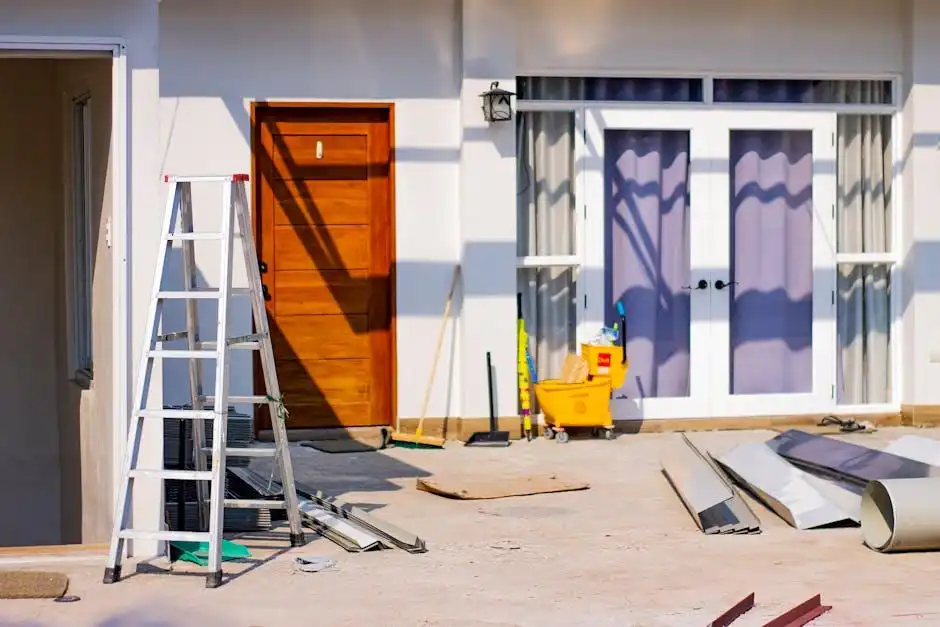
Exterior upgrades are easy to read as cosmetic work. New siding, cleaner trim, stronger gutters, and a sharper roofline change what people see first, so naturally the visual part gets most of the attention. Still, the bigger value usually sits behind that surface improvement. A stronger exterior helps control moisture, protect structural areas, reduce slow wear, and make daily comfort inside the home more stable. Around coastal homes, Cape Cod siding can matter even more, since salt air, wind, damp weather, and seasonal pressure keep testing the outside layer of the house. Appearance matters, yes, but protection is doing much of the real work.
Protection Starts From the Outside
The outside of a home handles the pressure before anything inside has to respond. Rain, wind, sun, and temperature changes reach the exterior first, which is why exterior home upgrades should never be treated as decoration alone. They are part of how the home stays usable, dry, and structurally sound.
Roofing, siding, trim, gutters, flashing, and exterior seals all work together, although homeowners usually notice them separately. One weak area can make nearby materials work harder than they should. A small gap around trim or a loose siding panel may look minor for a while, then moisture finds it.
Material durability matters because weather does not pause between repairs. Stronger materials, careful installation, and timely fixes help the exterior stay dependable across repeated seasons. The visual improvement may show up first, but the practical benefit keeps proving itself later.
Think of the exterior as the part of the home that absorbs daily exposure. It has to block water, wind, pests, and temperature swings before those problems reach the living space.
- Siding: Helps shield walls from moisture, wind, and surface damage while shaping the home’s overall appearance.
- Roofing: Protects the structure from rain, snow, sun, and storm exposure, especially when flashing and ventilation work well.
- Gutters: Move water away from roof edges, siding, trim, and foundations before it can sit where it should not.
- Trim and seals: Close small gaps around windows, doors, corners, and rooflines where water and air often sneak in.
- Exterior paint or coatings: Add a protective layer that helps materials resist moisture, sun exposure, and surface wear.

Exterior Improvements Affect Efficiency Too
Exterior renovation benefits often become noticeable inside the home, even though people may not connect them at first. A tighter, better-maintained exterior can help rooms hold temperature more evenly. That matters most in older homes where small leaks, worn siding, tired seals, and roof issues quietly affect comfort every day.
Energy performance depends on more than the furnace or AC. Siding condition, attic ventilation, roof health, seals, and air gaps all affect how hard the house has to work. If the exterior barriers are weak, conditioned air leaves faster, and rooms start feeling inconsistent.
Moisture control is tied to efficiency as well. Damp materials do not perform well for long, and trapped humidity can make a room feel uncomfortable even when the temperature seems right. Once water gets behind siding, the problem often stops being a surface issue.
Ventilation also deserves attention. A healthy roof system needs airflow that supports the attic and helps control moisture. Without that balance, shingles can age sooner and attic spaces can feel damp, especially during humid seasons.
Fewer future repairs are part of the efficiency story too. When the exterior manages water, air, and heat properly, hidden problems have less room to spread. The home feels easier to live in because fewer expensive surprises interrupt the year.
Better Exteriors Reduce Long-Term Maintenance
A weak exterior keeps asking for attention, and usually at bad times. One season brings peeling paint, the next brings loose trim, and after a storm a gutter suddenly pulls away. Better materials and better installation can reduce that repeating cycle.
Lower upkeep requirements matter because homeowners already have plenty to manage. A house that constantly needs patching creates a kind of low-level stress. Durable exterior choices can make maintenance more predictable, which is useful in a very practical way.
Preventive investments also protect the budget. A planned siding upgrade may feel like a large expense at the moment. Emergency work after water intrusion, damaged sheathing, or hidden rot can cost much more and disrupt the home far more deeply.
Long-term savings rarely come from one dramatic event. They usually come from fewer repeat repairs, fewer moisture problems, and better performance over time. Good exterior work protects both money and time.
That kind of value shows up in ordinary life. You worry less after storms, call for fewer repeat fixes, and spend less time wondering if a stain or soft spot is becoming a larger problem. That peace of mind is not flashy, but it is real.
Curb Appeal Is Still Important
Curb appeal still matters because the exterior gives people their first read of the home. Faded siding, damaged trim, sagging gutters, and neglected rooflines can make a property feel older than it is. A cared-for exterior tells people the house has been maintained with some consistency.
Property value can be shaped by that impression. Buyers often use exterior condition as a clue about the rest of the home. If the outside looks neglected, they may start wondering what else has been postponed.
Pride of ownership matters too. A clean, protected home simply feels better to return to at the end of the day. That may sound small, but homeowners know the feeling. The outside of the house affects how the whole place feels.
Neighborhood impact adds another layer. One well-kept home can improve the look of the street, while visible neglect pulls attention for the wrong reasons. Exterior improvements do not need to be dramatic to make a clear difference.
- Fresh siding: Can make the home look cleaner while improving the wall system’s protection.
- Updated trim: Sharpens doors, windows, corners, and roof edges without requiring a full remodel.
- Clean gutters: Improve the exterior line of the home and show that drainage is being maintained.
- Roof repairs: Remove visible wear and support the parts of the home that handle weather first.
- Consistent finishes: Help the exterior feel planned instead of patched together over time.
Final Thoughts
Exterior improvements serve more than one purpose, which is why they are easy to undervalue at first. They can make a home look cleaner, newer, and better cared for, while also protecting the structure from weather, moisture, air leaks, and gradual wear. That overlap is the part homeowners should pay attention to.
Protection matters as much as appearance because the outside of the home carries pressure every day. Roofs, siding, gutters, trim, seals, and coatings all help keep problems away from interior spaces. When those parts weaken, small exterior issues can turn into indoor stress.
Preventive upgrades can pay off over time through fewer repairs, steadier comfort, better efficiency, and stronger curb appeal. Homeowners do not need constant projects. They need to notice the exterior early enough, before damage becomes loud, expensive, and harder to ignore.
FAQ
Are exterior upgrades worth it?
Exterior upgrades are worth it when they improve protection, comfort, efficiency, and long-term durability. Siding, roofing, gutters, trim, and seals can reduce weather exposure and future repair risks. They also help the home look better and feel better maintained.
Do exterior improvements improve efficiency?
Yes, exterior improvements can improve efficiency by reducing air leaks, moisture problems, heat transfer, and ventilation issues. Strong siding, healthy roofing, sealed gaps, and proper attic airflow can help the home hold temperature more consistently through seasonal changes.
Which exterior projects protect homes most?
Roof repairs, siding upgrades, gutter work, flashing repairs, trim replacement, sealing, and exterior painting can protect homes most. These projects help control water, wind, sunlight, pests, and air leaks before those issues reach interior spaces or structural materials.
Why does curb appeal matter?
Curb appeal matters because people judge exterior condition quickly. A maintained outside can support property value, buyer confidence, and daily pride of ownership. It also signals that important protective parts of the home receive regular attention over time.
Comments on this guide to Architectural Tips for a Stylish Siding Upgrade article are welcome.
Architecture Designs
Home Designs
++
Building Articles
Comments / photos for the Architectural Tips for a Stylish Siding Upgrade page welcome


