5 Architectural Features That Define a Luxury Home
23 July 2026
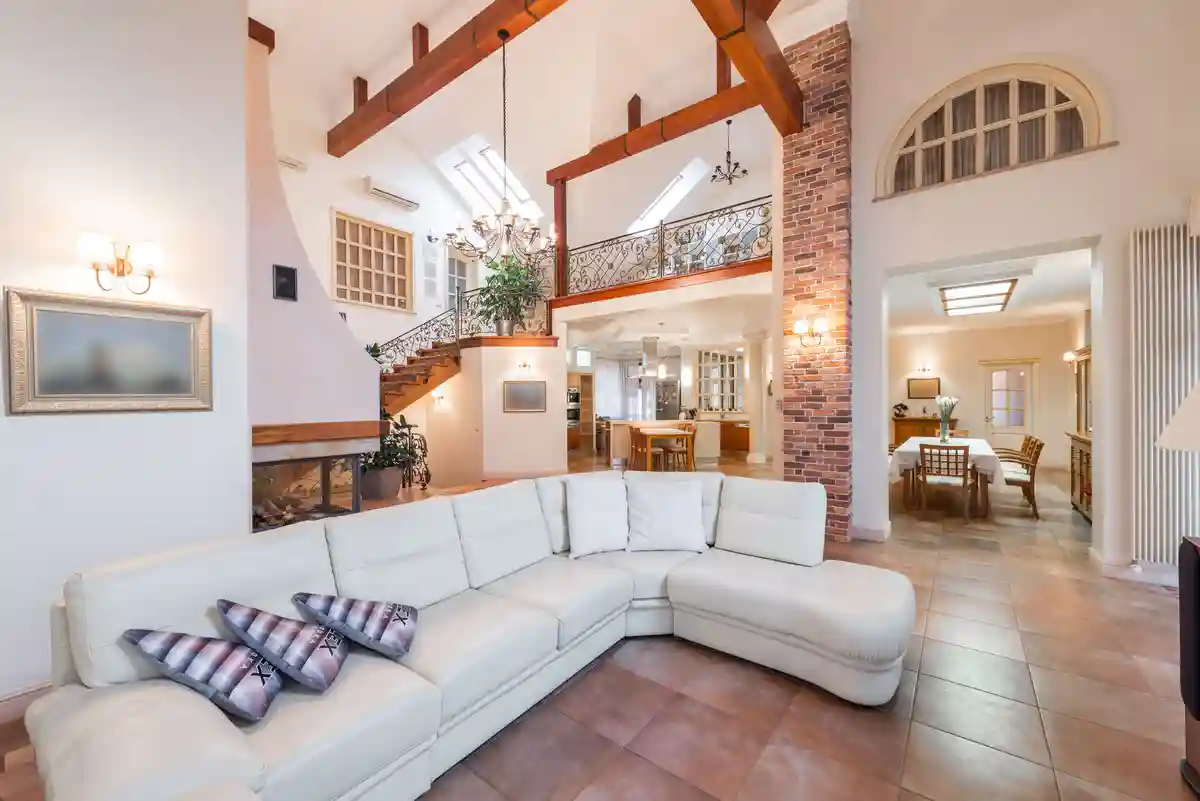
Luxury is built long before the marble countertops go in. While finishes can be replaced, great architecture cannot.
That’s not an opinion, but a documented buyer preference. Nearly half of Americans say they’d choose a smaller home with more light over a large one with less. 53% of buyers who prioritize light have a direct effect on their mood.
No amount of styling fixes a room that was oriented in the wrong from the start. Buyers aren’t chasing cosmetic upgrades or more square footage. They buy how a home feels, and that feeling starts with the finishes.
The 5 Architectural Details That Define a Luxury Home
Luxury is often mistaken for elite finishes, designer furniture, or exclusive labels. In reality, architects define luxury through timeless design choices that shape how a home feels once the trends fade.
Before you focus on countertops and fixtures, consider these five architectural elements that truly define a luxury home.
1. Check the Ceiling Height and Spatial Proportions
When you enter the living room, stand in the center before noticing anything else. The proportions reveal more than any countertops ever could.
A study published in the Journal of Consumer Research found that ceiling height can influence how people experience a space. Participants in rooms with 10-foot ceilings felt less confined than those in identical rooms with 8-foot ceiling.
When ceilings rise, doors typically extend as well to preserve proportion. Baseboards and trim grow wider so the rooms don’t feel visually compact. Buyers often sense when proportions are off, even if they cannot say why.
And because they’re embedded in the structure, they’re difficult to retrofit later.
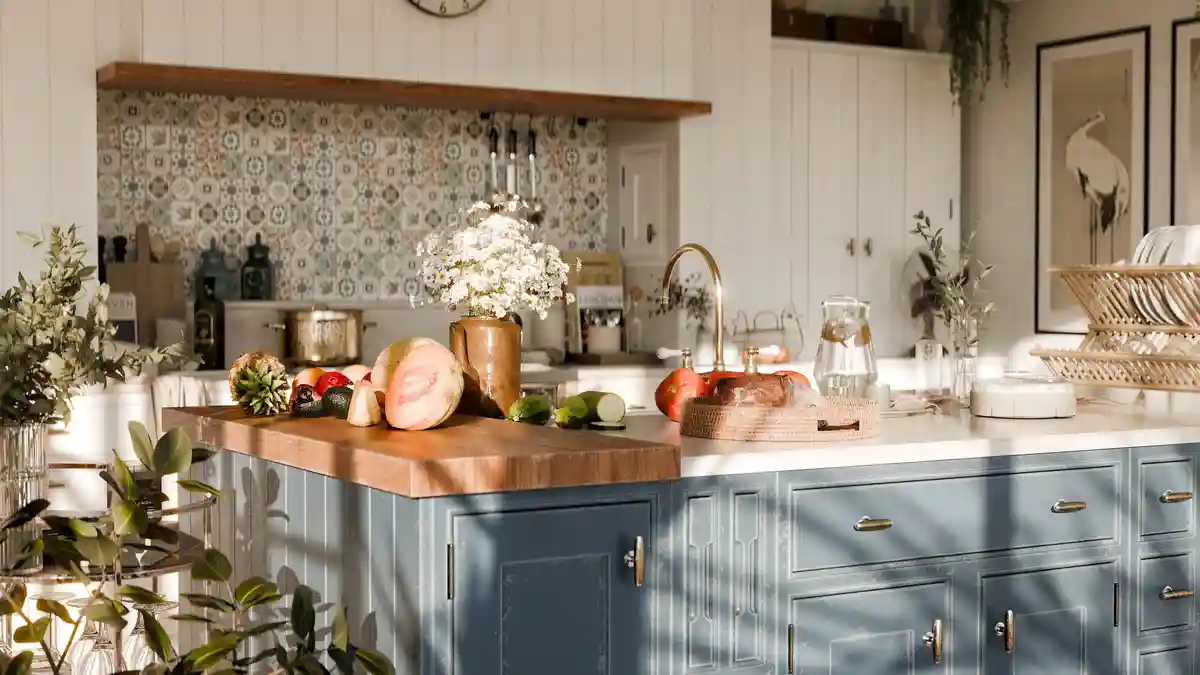
2. Assess the Window Design and Natural Light
Next, stand beside the largest window in the house and look at the frame. Premium windows often use glass panes of different thickness. This technique is called glazing, and it helps cut outside noise better than standard glass.
High-end windows are designed with slim frames that make the view look larger than life. Steel-framed and frameless systems are common in luxury home designs because they allow for a larger window without the bulky frame that breaks up the view.
Together, these details create interiors and provide lighting and views that make a home luxurious. Buyers interested in luxury homes for sale should pay close attention to these two factors first.
3. Examine the Indoor-Outdoor Transition
In top-tier homes, the indoor flooring runs straight onto the patio with no step and barely a visible seam.
Close the sliding doors yourself and listen for the sound they make. That attention to detail also reflects what designers prioritize today. Fixr’s 2025 survey of U.S. architects, builders, and remodelers identified coherent indoor-outdoor design as the biggest outdoor living trend.
Buyers who want homes with thoughtfully designed indoor-outdoor spaces can use Houzeo to explore listings that match their preferences.
To achieve a flush transition requires careful engineering. The outdoor slab must sit slightly lower than the interior flooring. It also needs hidden drainage built into the track beneath the sliding doors. Skip that drainage, and water gets inside during the very first heavy storm.
Structural precision matters as much as aesthetics. When you look at the overhead beams, make sure they are strong enough not to sag. If the beams sag even slightly, the doors below may no longer close smoothly, a small but telling sign that corners got cut.
If done right, the backyard feels like another room rather than a separate space.
4. Test the Sound Control and Material Quality
Clap once in the middle of a room and listen. A home can look impressive yet feel poorly built if every flush or footstep travels through the walls. Builders use stacked or double stud walls to control acoustics.
These walls break up the path of vibration. Long-span steel and concrete framing allows a floor plan to open up by removing any interior support walls and still maintain the acoustic control.
Plumbing is as important as framing. Cast iron waste pipes carry far less noise than the plastic pipes used in general construction.
Higher-end homes often wire smart-home systems directly into the walls rather than depend on Wi-Fi devices. Luxury homes now integrate lighting into the architecture itself. Hardwired circadian systems shift from cool white during the day to warm amber at night, something easier to install during construction than as a retrofit. It supports better sleep, not just better looks.
Ask about sound and wiring before you buy. None of these details show up on a walkthrough. It only becomes obvious once you live there.
5. The Architect’s Involvement
If a home gets the first four details right, there is usually a big reason for that. It mostly means the architect stayed during the construction. Not just through the initial phase. Homes built this way tend to have more consistent proportions, extremely smart detailing, and fewer complications.
As you compare homes on platforms like Houzeo or Zillow, look beyond photos and finishes to understand the story behind the design.
You should make it a point to ask who designed the home and how involved this person was during the whole process. As you compare homes on platforms like Houzeo, look beyond photos and finishes to understand the story behind the design.
Luxury is Built In, Not Added Later.
Real luxury in a home is not what you see at the first showing. It is embedded in how the home was planned, engineered, and will function in the long term. A house can have all the premium attachments like the countertops, designer fixtures, and high-end appliances yet fall short if the foundation of the house is compromised.
True quality shows in things that cannot be changed easily: ceiling heights, window placements, and major structural layouts that might in the long term make you feel constrained. These are decisions strictly at the architectural or engineering levels.
This is why one must understand how the home was built. Buyers who recognize these deeper signals are equipped to buy better homes and distinguish between only luxury and luxury that is also durable.
Comments on this guide to 5 key architectural design features that matter in luxury homes – contemporary luxurious house interior ideas are welcome.
Interior Design
Interior Design Posts
Interior Design Trends in the UK 2024
Professional interior design for home makeovers
AI Interior Design future creativity
Beginner’s Guide to Online Interior Design
+++
Property Design
Contemporary Residential Property Design
Comments / photos for the 5 key architectural design features that matter in luxury homes – property interior style ideas page welcome.