
Pearl Street House in Colorado
June 20, 2026
Architecture: Kelly & Stone Architects Inc.
Location: 380 Pearl Street, Steamboat Springs, Colorado, USA
Photos by Tim Stone
Located in the heart of Steamboat Springs, Colorado, the 380 Pearl Street residence is a remarkable example of residential design.
This eclectic home, designed by Tim Stone of KS|a, showcases a unique blend of style and functionality. Completed in 2020, the project boasts a total living area of 2700 square feet, spread across two levels, and is situated on a 7000 square foot site.
The residence is distinguished by its emphasis on thermal efficiency, creating a comfortable and sustainable living environment. With a design that reflects the personal touch of its architect, the home features a distinctive character that sets it apart from other residential projects. The building’s completion in 2020 marks a significant milestone in the portfolio of KS|a, and its showcase on the company’s website highlights the firm’s commitment to innovative design and exceptional craftsmanship. The property’s images and details are available for further exploration, offering a glimpse into the world of modern residential architecture.
The 380 Pearl Street residence is a testament to the perfect blend of form and function, making it an exemplary model for residential design. Its unique design and emphasis on sustainability make it an attractive option for those seeking a one-of-a-kind living experience.
How did designing a home for your own family influence the design process and outcomes compared to client projects?
Designing for my own family created a very different kind of design process. We had planned the house for a family of four—my wife and me, our daughter, and one additional child—but construction was already underway when we learned we were having twins. The house therefore had to absorb a family of five, even though it had not originally been conceived that way.
We also designed a 650-square-foot ADU and lived in it for a year during construction. That was an intense exercise in efficiency. Our daughter had her own room, while the twins slept in bassinets in our bedroom, and virtually every square foot had to serve a purpose.
Aesthetically, the project gave me unusual freedom. I could choose materials and develop details that reflected my own instincts without filtering them through a client’s preferences. At the same time, because I personally performed much of the finish work, the design could not remain purely conceptual. Every detail had to be something I could actually execute with my own hands and skill set.
What specific strategies and technologies were implemented to achieve the home’s thermal efficiency, and what impact does it have on daily living?
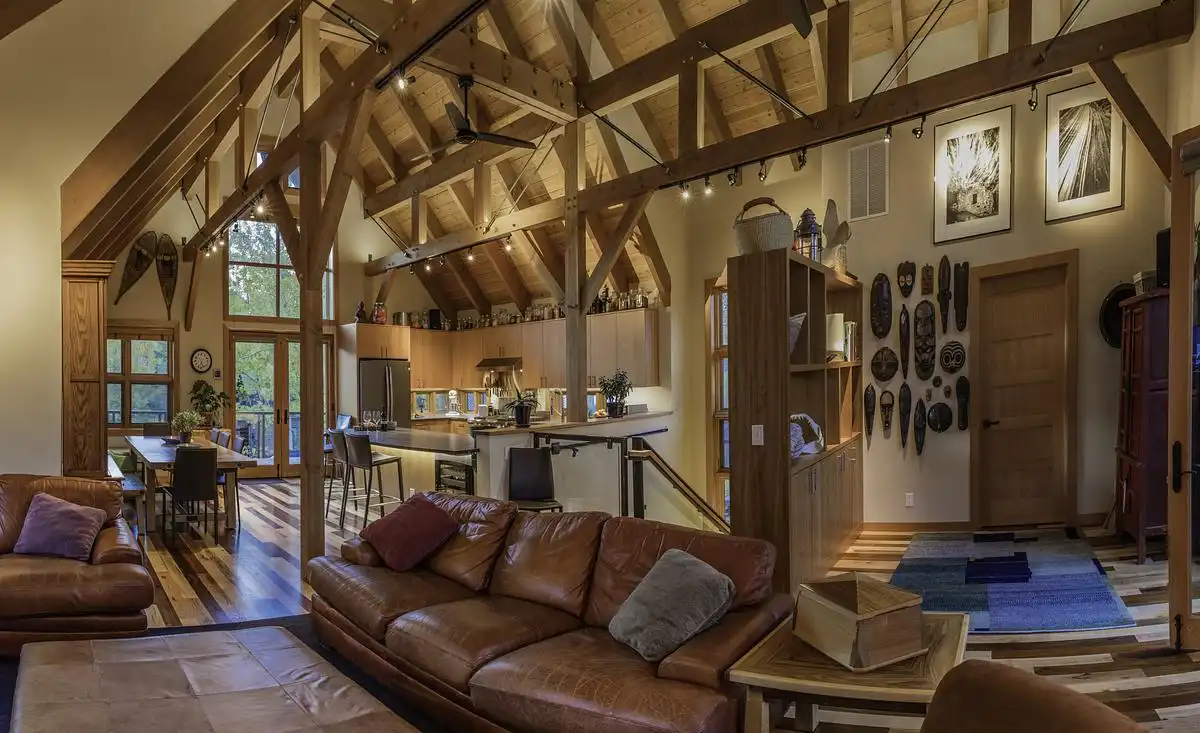
I am somewhat zealous about energy efficiency and air sealing. Because air leakage and glazing are two of the most consequential sources of heat gain and loss in a residential building, I paid particular attention to both.
The house and ADU use continuous insulation at the walls and roofs. By wrapping the exterior of the structure, the insulation greatly reduces the thermal bridging that occurs when cavity insulation is interrupted by framing.
The house has a forced-air heating system and was designed to accommodate air conditioning, but we have never needed to install it. During the summer, we ventilate the house at night, when temperatures drop, and close it up during the day. Even on the rare occasions when Steamboat reaches 90 degrees, the interior generally remains below 72.
The strategy does depend on how the house is used. With three children regularly leaving doors open, the building envelope was not always performing as intended, so I eventually installed automatic closers on the front and back doors. That small intervention made a noticeable difference. The result is a house that remains exceptionally comfortable with very little active cooling and requires less energy and attention in daily life.
Could you elaborate on what makes the home eclectic, and how did you balance diverse design elements to create a cohesive and unique space?
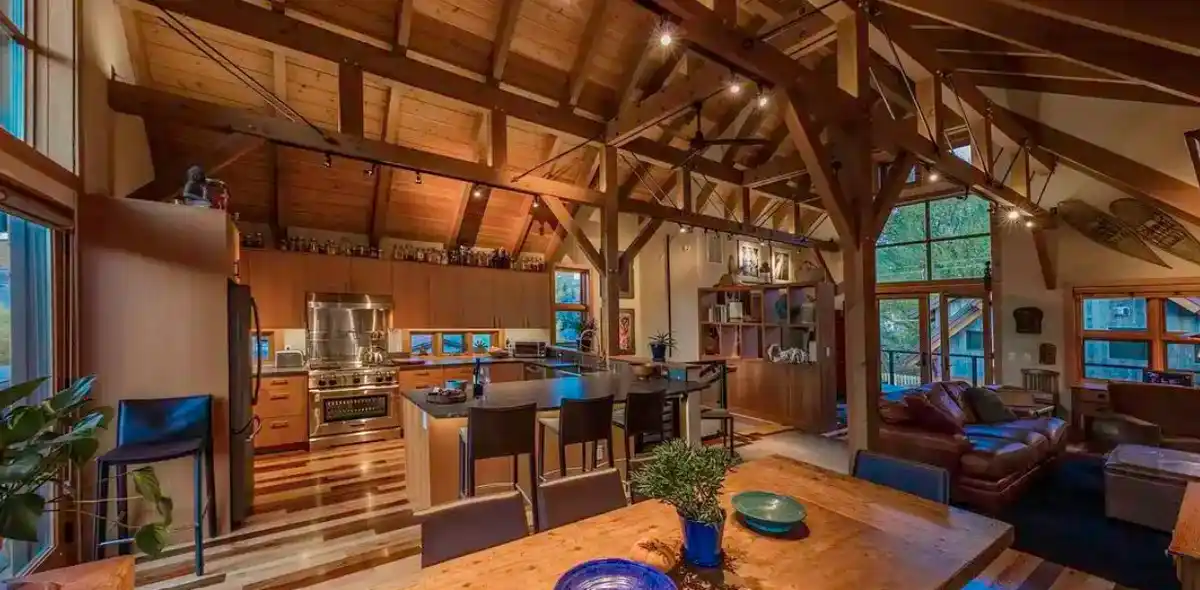
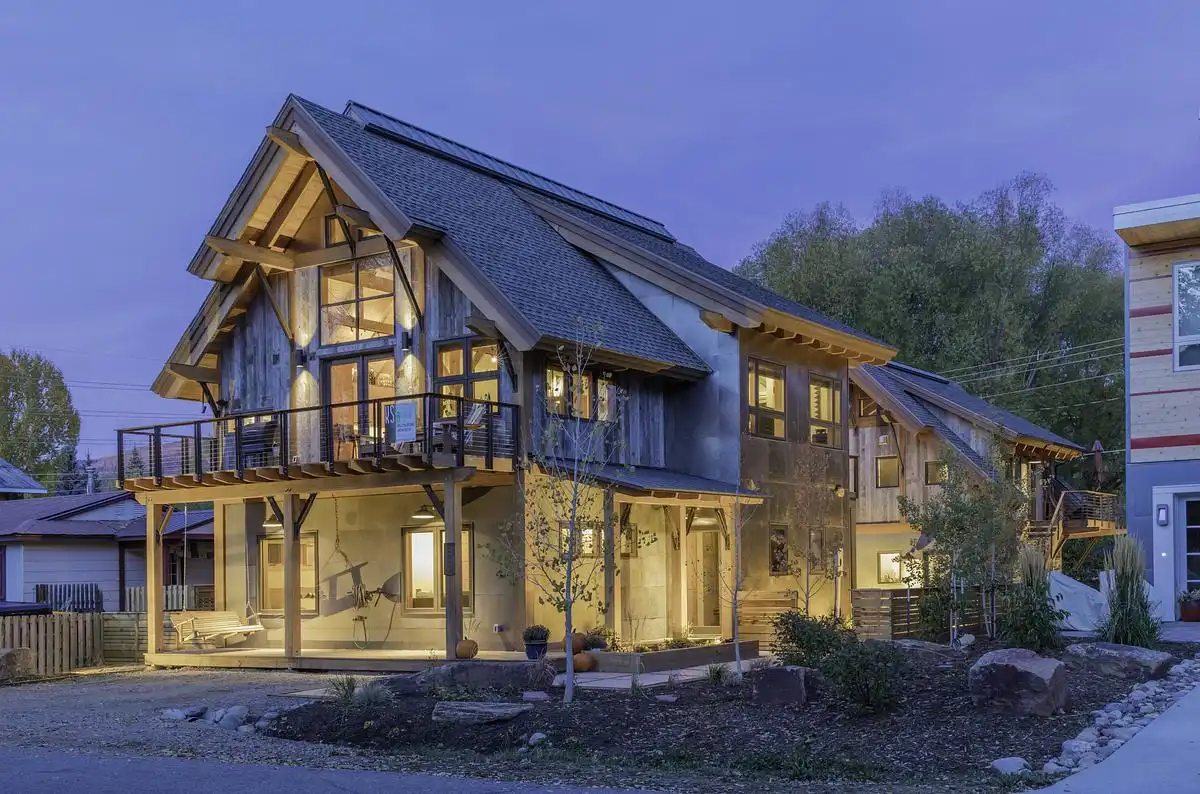
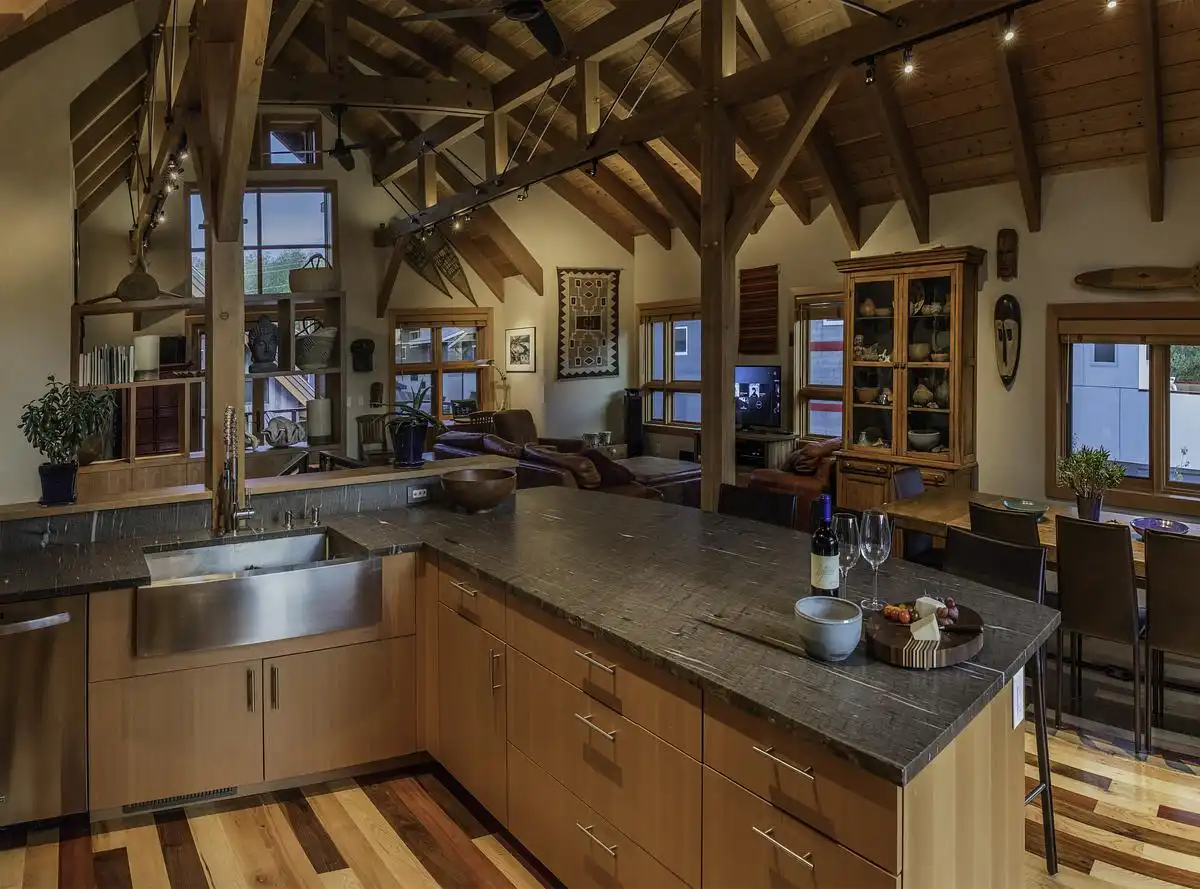
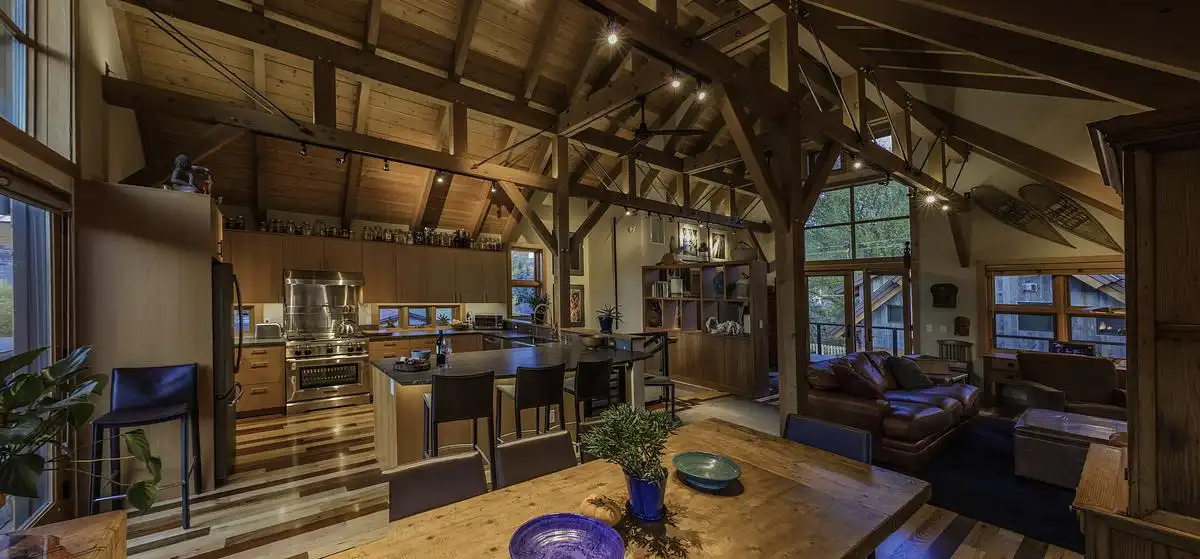
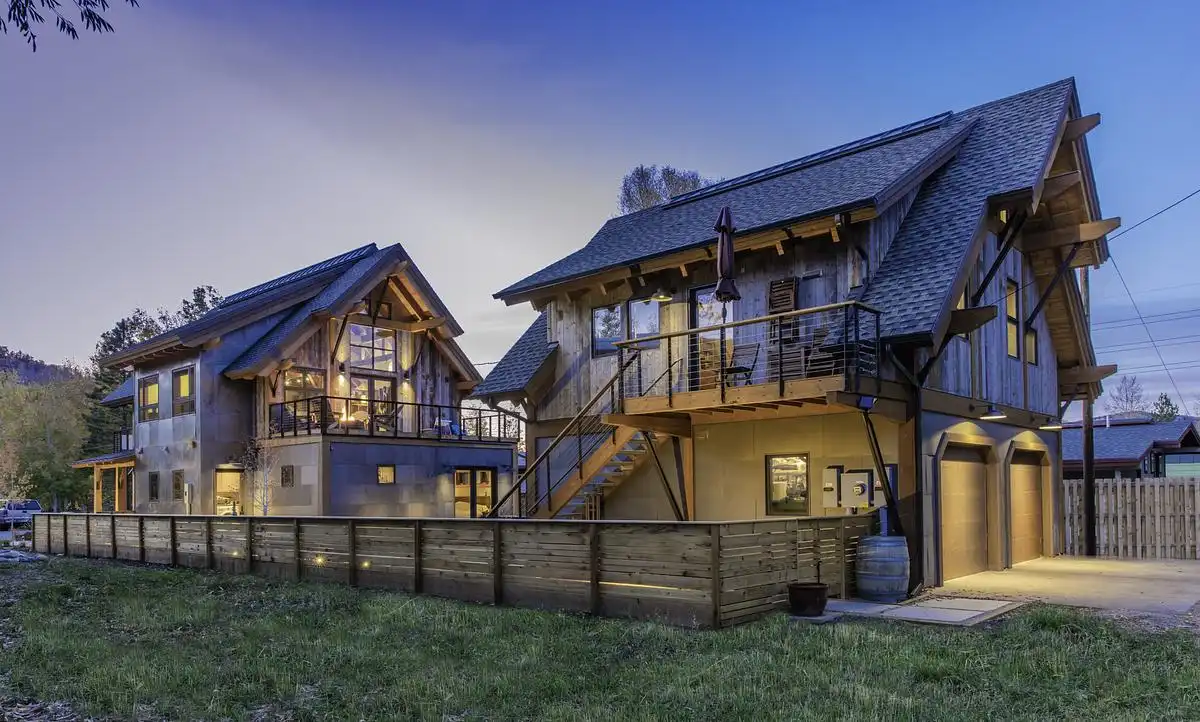
I would describe the house as eclectic because it combines traditional forms and materials with a more contemporary expression. The exterior uses familiar elements—gable roofs, reclaimed wood siding, and metal panels—but they are composed in a cleaner, more modern way. Inside, the timber framing relies on traditional wood-to-wood joinery, although the structure itself is distinctly contemporary in its proportions and detailing.
That layering continues throughout the interiors. The flooring alone incorporates five different hardwood species, and our furniture tends to be transitional rather than belonging to a single period or style. My own photography hangs throughout the house, alongside objects I have collected or inherited over many years: masks, an ancient Puebloan pottery collection given to me by my grandfather, a humpback whale vertebra, a mako jaw, and the shell of a large Tridacna clam that lived in my reef aquarium for years. The kitchen also displays a collection of dry goods above the cabinetry, and the house is filled with books related to subjects that interest me.
What keeps the space cohesive is that the elements are not arbitrary. Most are natural, tactile, and materially honest, and nearly all of them carry some personal meaning. The house is less about maintaining a strict design vocabulary than about creating a consistent atmosphere—warm, curious, collected, and reflective of the people who live there.
How did the specific site in Steamboat Springs, Colorado, influence the architectural design, material choices, and overall feel of 380 Pearl Street?
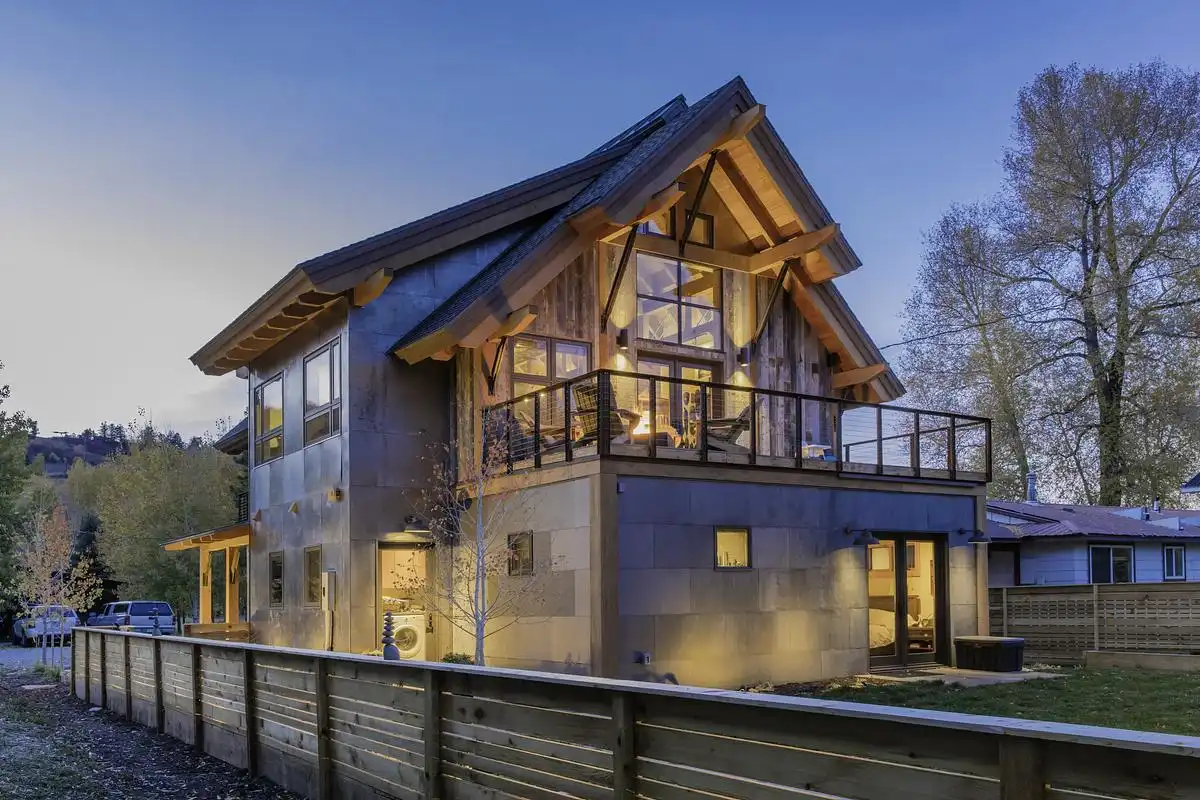
The site is a narrow, shotgun-style infill lot oriented east–west, with the best views found by looking up and out rather than across the ground plane. That led to a decidedly upside-down floor plan: the bedrooms are located at ground level, while the primary living spaces are upstairs. Elevating the great room and the east- and west-facing decks approximately 12 feet above the street opens views toward the Steamboat ski area in one direction and Emerald Mountain in the other.
In Colorado, we are often either seeking the sun or trying to escape it. Having outdoor spaces on both the east and west sides of the house allows us to choose between sun and shade depending on the season and time of day. The eastern deck is especially pleasant in the morning and during hot summer afternoons, while the western deck captures afternoon warmth and evening light.
Because the house sits within an established Old Town neighborhood, its forms needed to maintain a dialogue with the surrounding homes. The gabled roof forms are a direct response to the neighborhood vernacular, but they are interpreted with cleaner lines and more contemporary detailing. Reclaimed wood, metal panels, and exposed timber were selected both for their connection to Steamboat’s material character and for their durability. I wanted materials that required relatively little maintenance and would weather naturally, developing more character over time rather than needing to remain pristine.
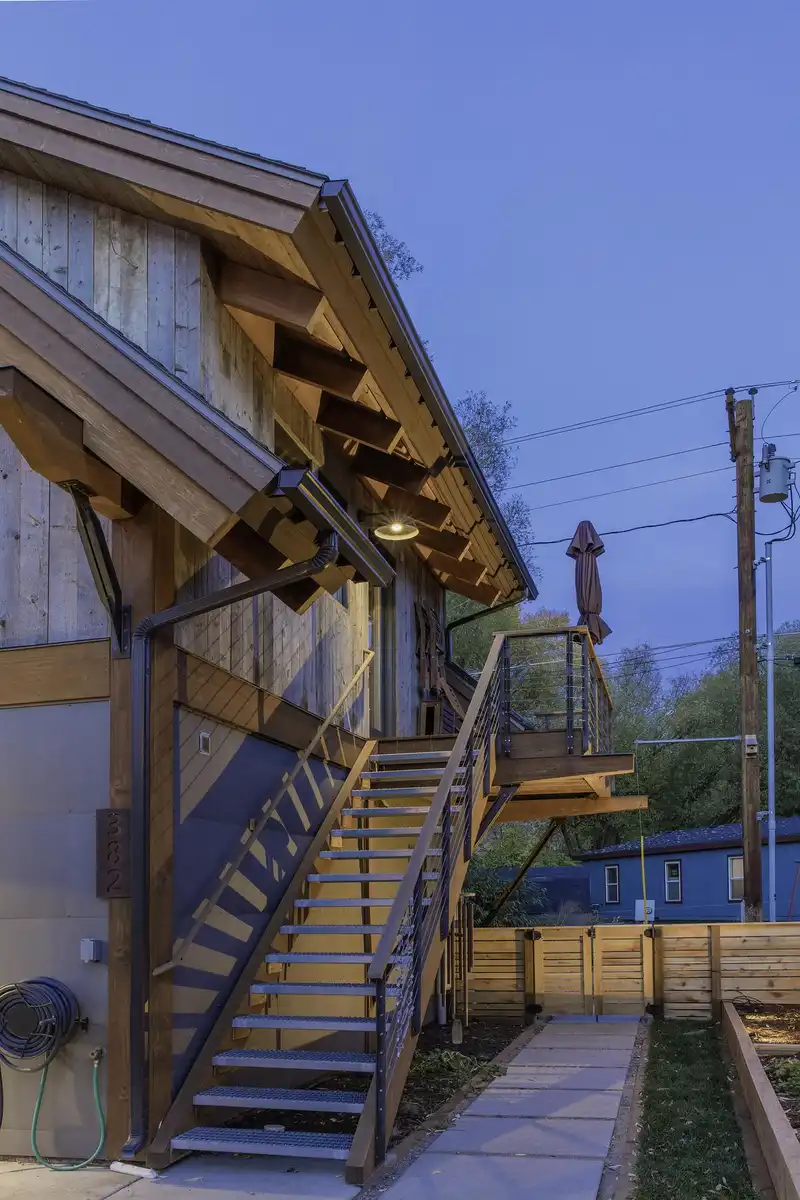
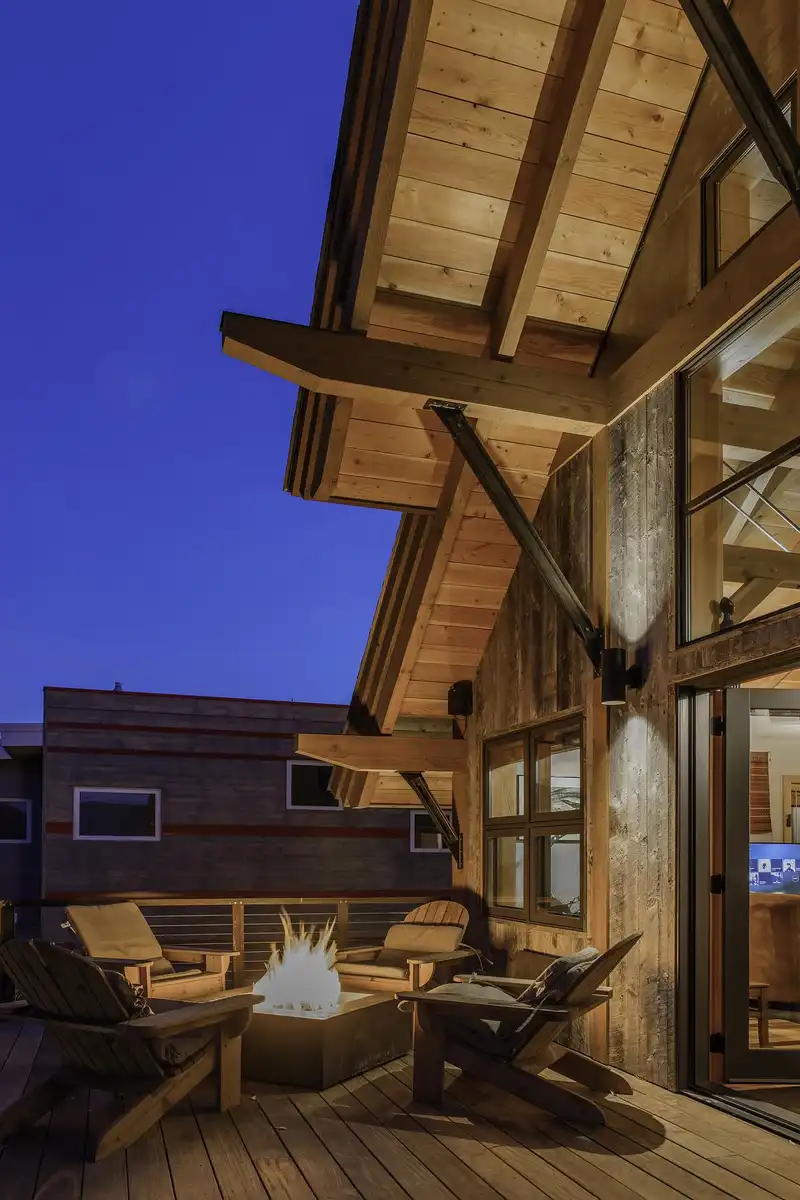
Although the lot is flat and tightly surrounded by existing homes, the placement of the main house and ADU creates a protected courtyard between them. That outdoor room feels surprisingly private and accommodates raised planting beds for ergonomic gardening, as well as shaded areas for a collection of hostas. The overall result is a house that feels connected to its Old Town setting while still taking full advantage of the distant views, mountain light, and changing seasons.
Pearl Street House in Colorado, USA – Real Estate Information
Architects: Kelly & Stone Architects Inc. – https://kellyandstonearchitects.com/
Project size: 2700 ft2
Site size: 7000 ft2
Project budget USD 25,000,000
Completion date: 2020
Building levels: 2
Photographers: Tim Stone
Pearl Street House, Steamboat Springs, Colorado images / information received 200626
Location: Steamboat Springs, Colorado, USA
Colorado Buildings
Colorado Architecture – selection of contemporary architectural designs:
Longs Peak Retreat, Fort Collins, Colorado
Architecture: Kelly & Stone Architects Inc.

photo : James Ray Spahn
Roaring Fork Residence, Colorado property, Roaring Fork Valley, CO
Architecture: Eerkes Architects
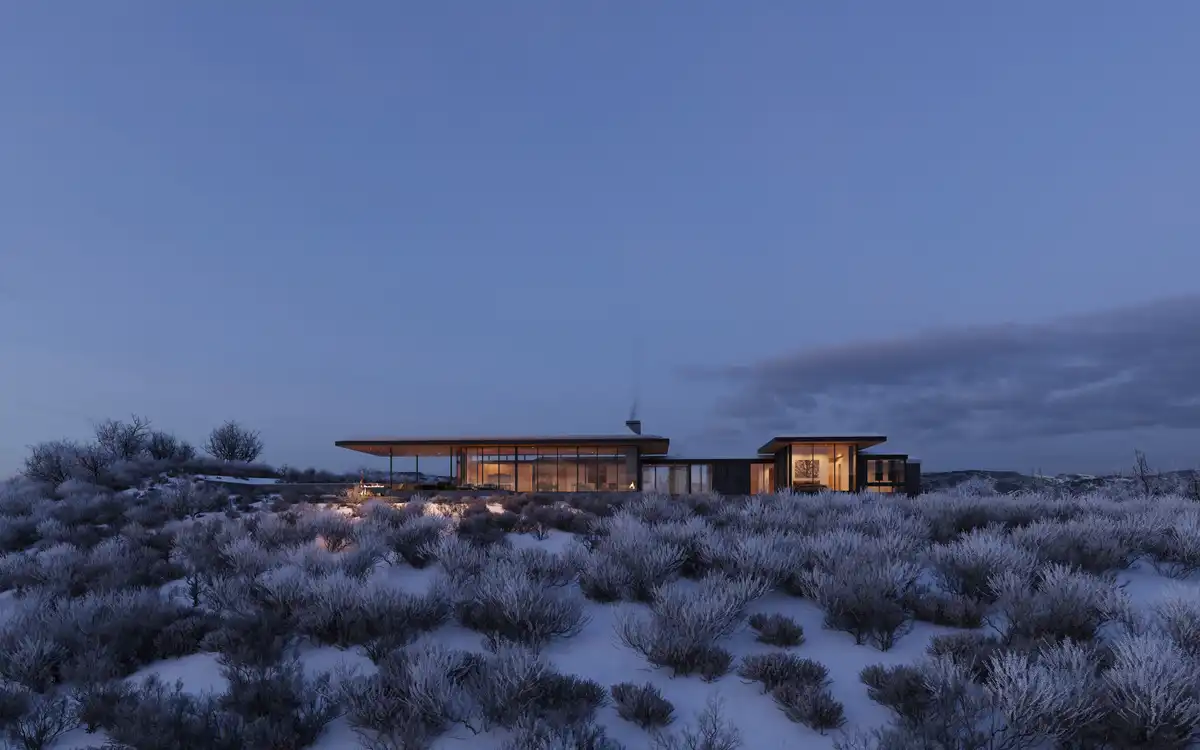
render : notionworkshop
++
American Architecture Designs
America Architecture News – latest building updates
Residential Architecture USA – selection:
Comments / photos for the Pearl Street House, Steamboat Springs, Colorado, USA designed by Kelly & Stone Architects Inc. page welcome


