The Ice Cubes Tokyo Store Building

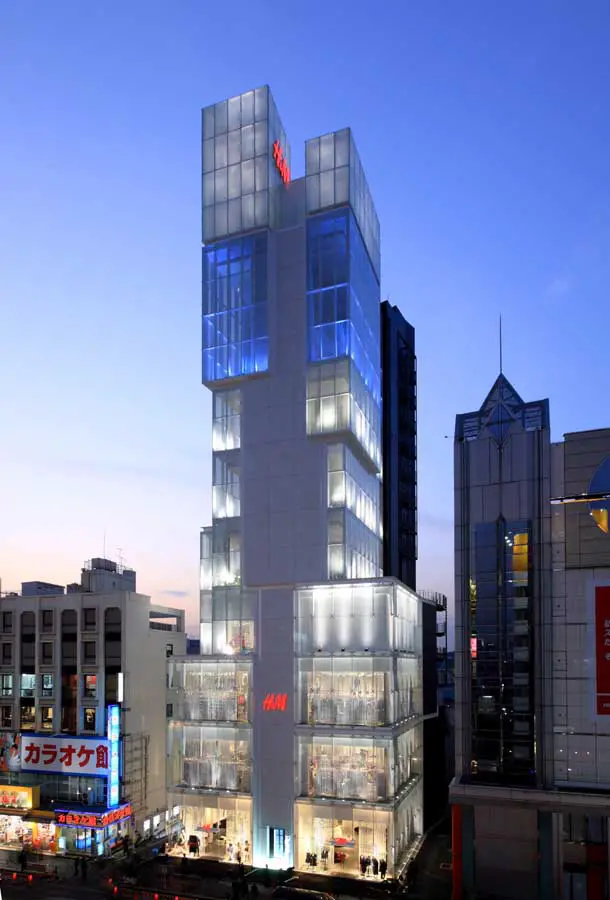
The Ice Cubes Tokyo

Design: Jun Mitsui&Associates Architects. This Shibuya-ku building was commissioned by a Hong Kong-based developer. The site constraints, including sky-openness factor (tenku-ritsu) and sun/shadow requirements were very restrictive.

By developing the formal strategy as a series of interlocking cubes, the architects were able to massage the complicated building envelope shape into a dynamic composition.
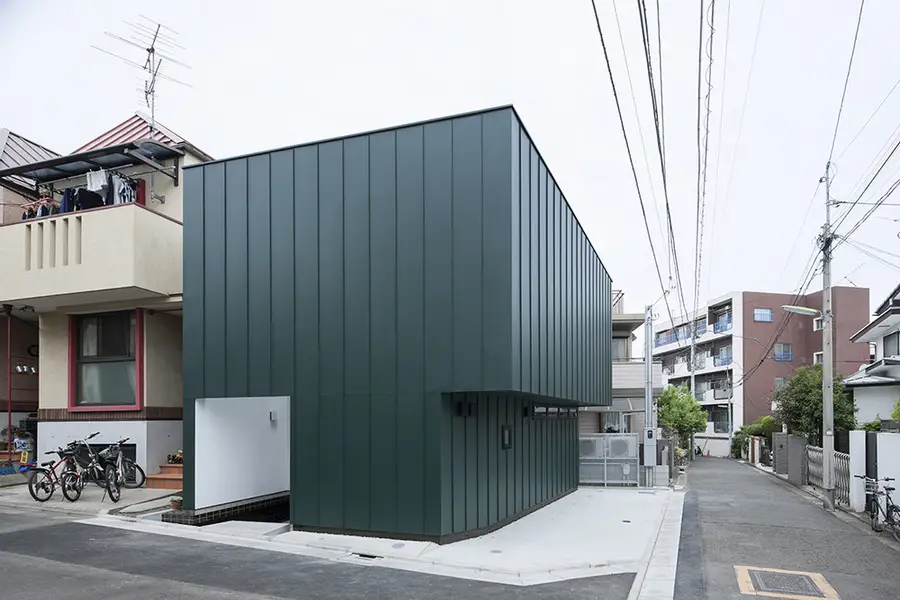
Shirokane House – Tokyo Residence

Shirokane House 9

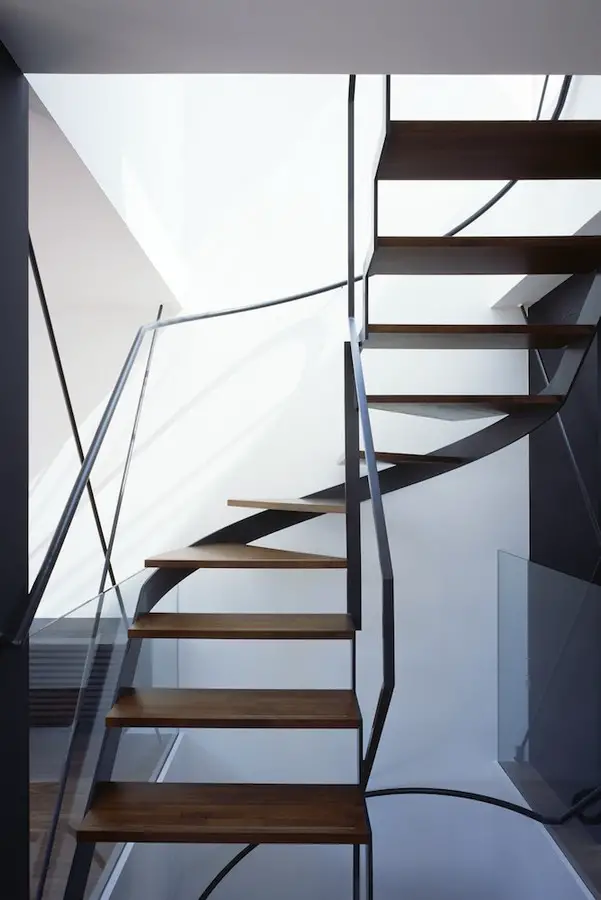
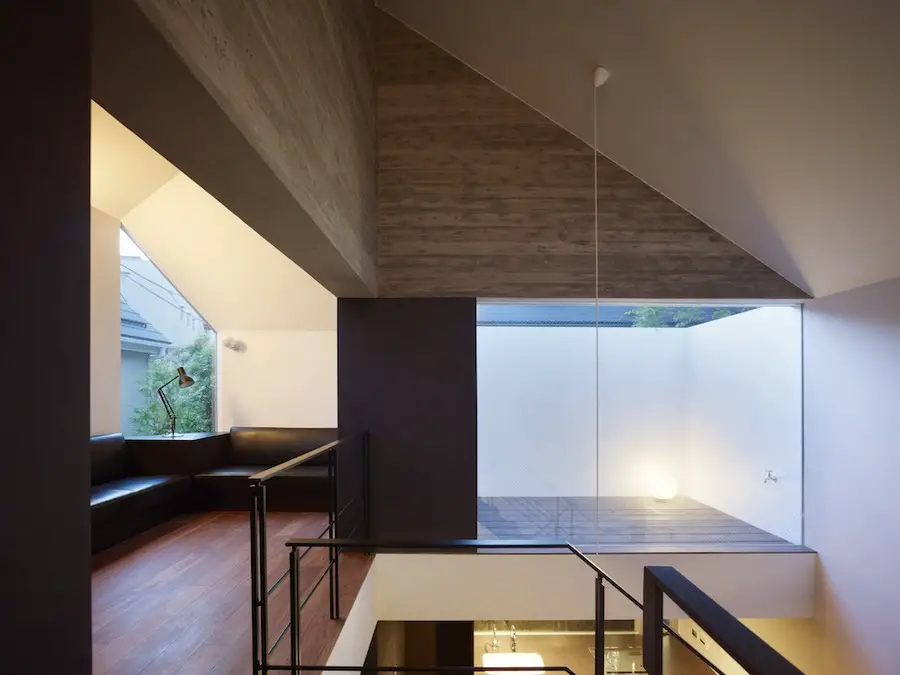
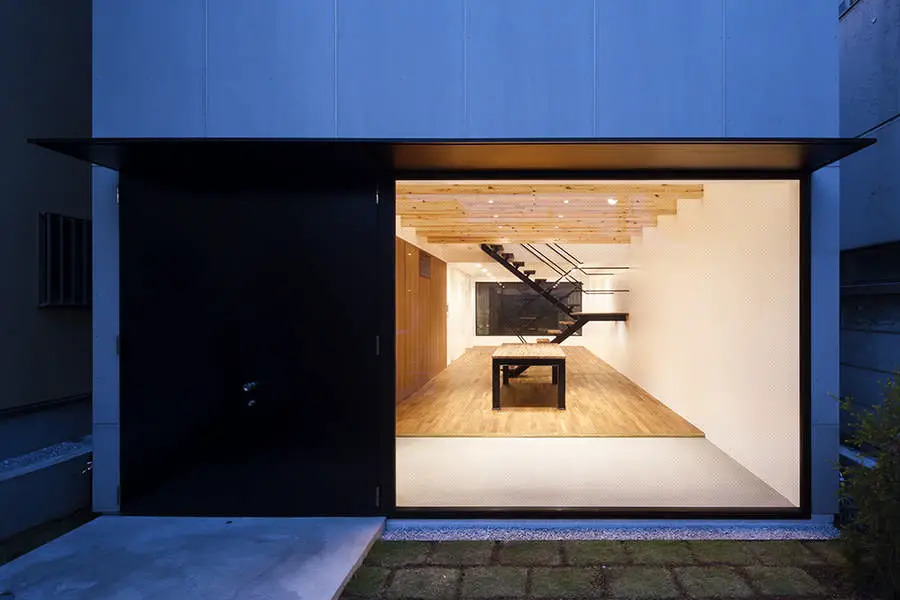
Design: MDS Co.Ltd. The small site is located in a typical Tokyo urban residential area, where houses are closely built up. A pursuit of internal spaces in this house, as a result, changes the Tokyo cityscape a little.

An area for one floor is usually desired as large as possible, in particular, in such a narrow site. For this house, the first floor area is small due to the parking space and the second floor is, instead, larger. The outer appearance is examined based on ceiling height, slant line regulations for a building shape.

House in Daizawa – Tokyo Residence

House in Daizawa

Design: Nobuo Araki. A ‘House with Self-Standing Wall’: situated in a calm residential area of Setagaya, Tokyo, the rectangular house faces southward, with a garden at the rear. Several meters in front of the house, a concrete wall has been constructed to provide sufficient privacy to the glass-façade house, while retaining a sense of openness.

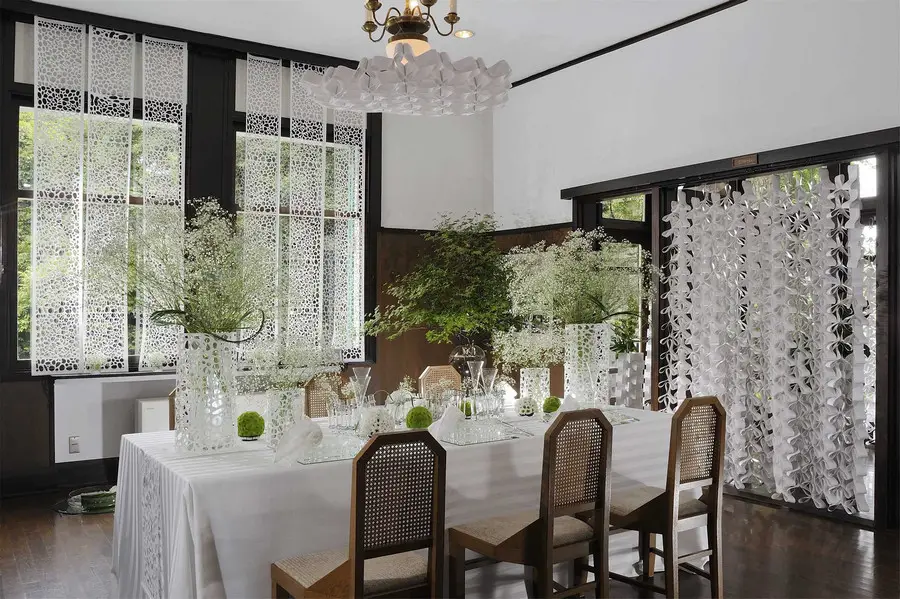
White Forest Exhibition in Yokohama

White Forest Exhibition Yokohama Japan

MoNo designed the art work “White Forest” which was exhibited in “Ehrisman house”, one of old western-style houses authorized as a historical architectures by Yokohama city government, as a formal program of The Festival “Harmony of Flower and Table” in Yamate of Yokohama-city, Japan.

House in Mishuku II – Tokyo Residence

House in Mishuku II - Tokyo Residence

This two-story house stands in a densely populated area of Setagaya, Tokyo. This is the second building of a paired residential unit for the same clients, a married couple in their 60s. The Archetype designed their first residence in 2004.

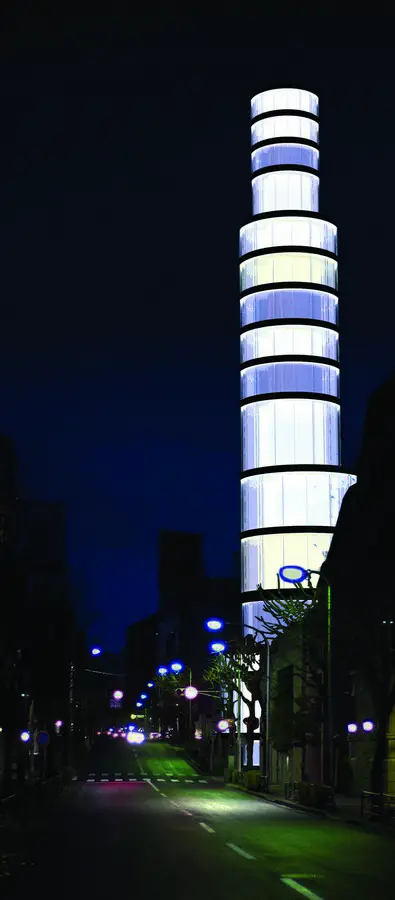
Fashion Museum Tokyo Building

Fashion Museum Tokyo Building

The museum proposal by architects YBGSNA introduces a translucent tower which displays fashion as an interior event as well as an external one. We interpreted the programmatic request for Architectural projections as a call to blur the gap between open and closed spaces or between institutional and urban environments.

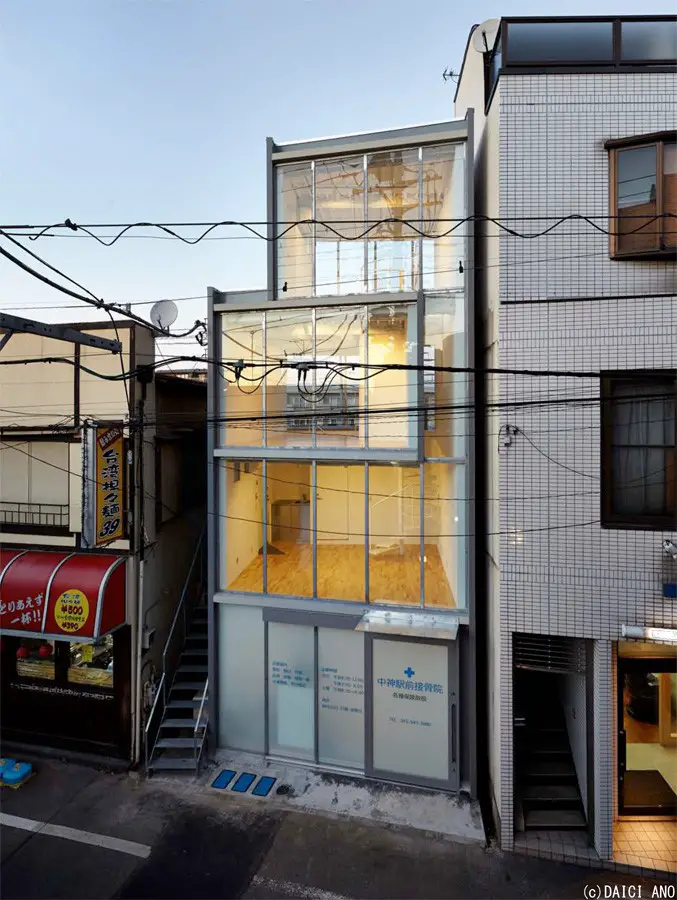
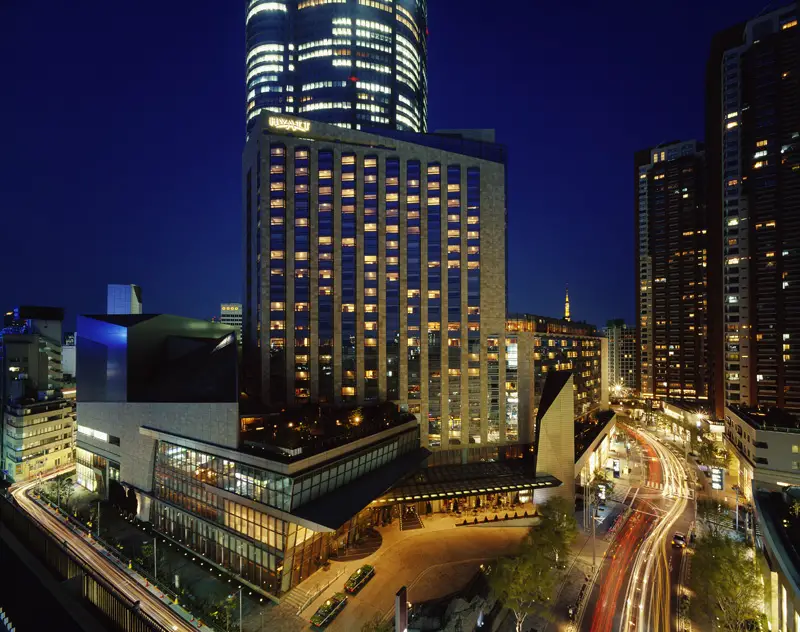
Clinic and Office Building Tokyo

Clinic and Office Building Tokyo

Many buildings stand side by side in the shopping district near the train station. There were many partitioned tenement-houses in this area, but currently rebuilding has been proceeding. There is a platform of the conventional lines on the north side of the site.

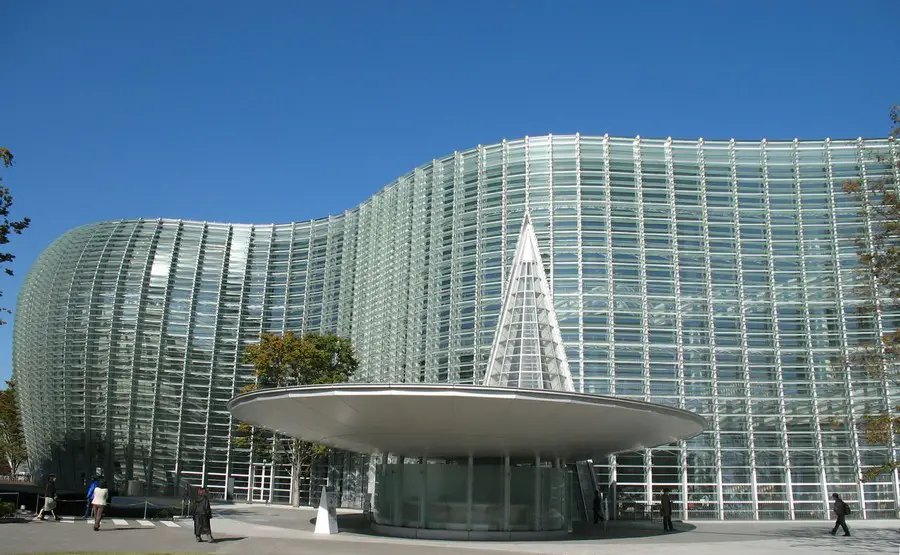
National Art Center Tokyo Building

National Art Center Tokyo Building

The architects for this building in Roppongi, Minato were Kishō Kurokawa Architects & Associates; Nihon Sekkei Inc. The National Art Center Tokyo is one of the last works of the Japanese architect Kishō Kurokawa

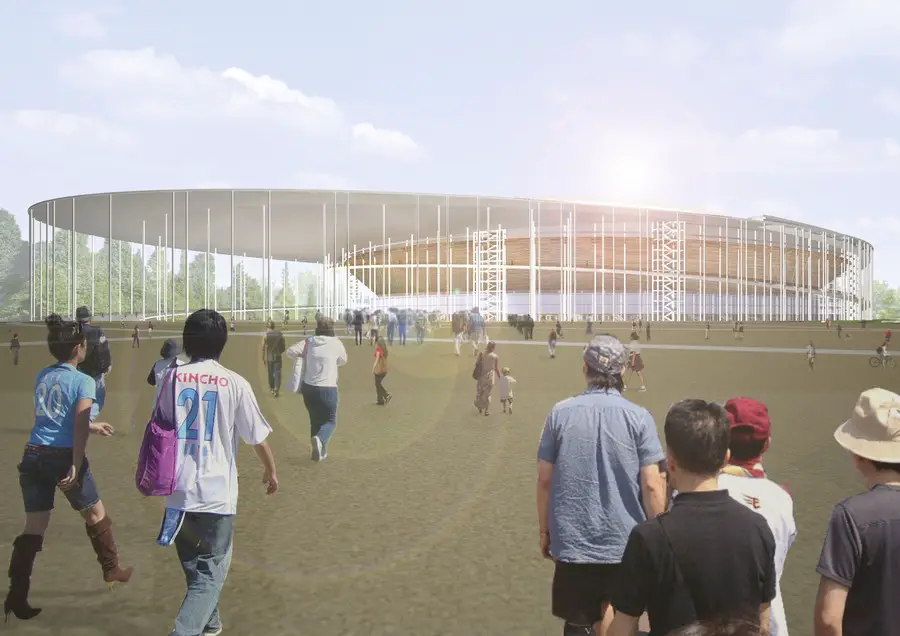
New Tokyo National Stadium – Arena

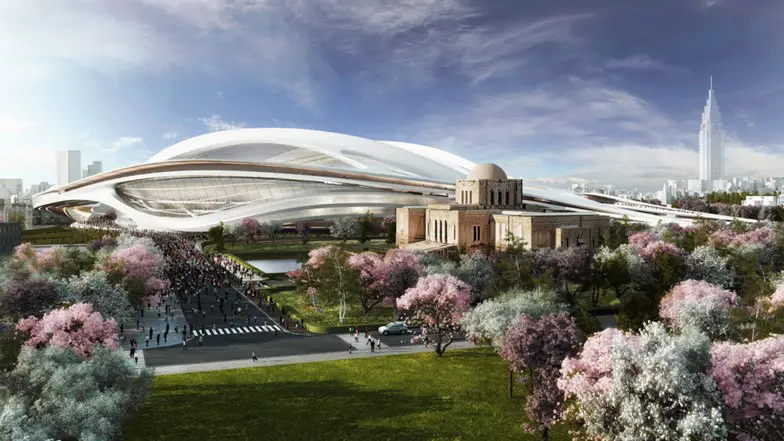
New Tokyo National Stadium building design

New Tokyo National Stadium building design by Andrea Maffei Architects. The architects designed to create a main platform at +34m a.s.l. connecting the new stadium with the gymnasium designed by Fumiko Maki in a unique big Plaza as a City of Sport.

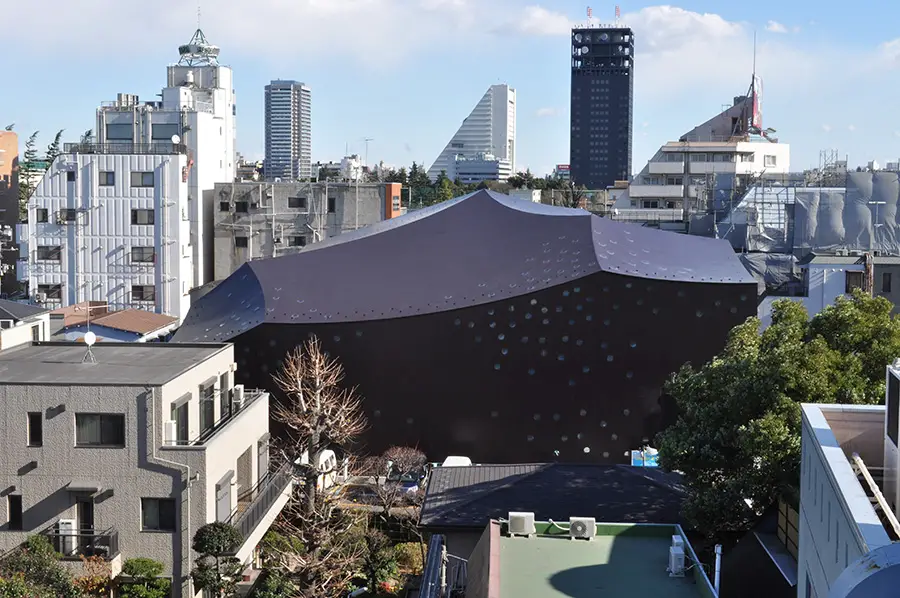
Za-Koenji Public Theatre Tokyo Building

Za-Koenji Public Theatre Tokyo Building

Toyo Ito won the Pritzker Prize in 2013 and is considered one of the best architects in the world. His architecture practice is based in the Japanese capital and produces a wide variety of work, theatres are not a speciality but just one of numerous typologies the office wroks with.