Floating Hotel with Catamaran-apartments
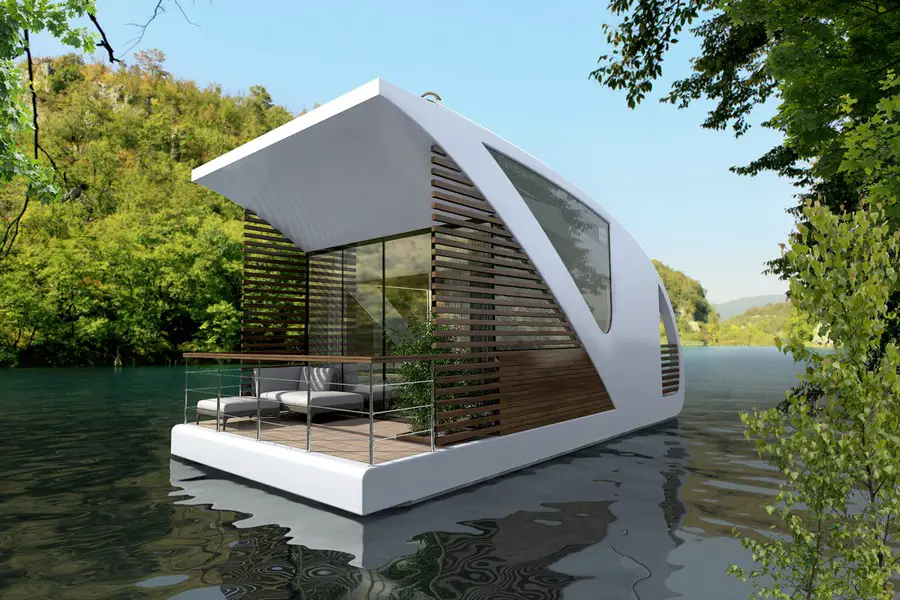
Design: Salt & Water. Each apartment is a catamaran that can be easily separated from the dock and navigated, allowing guests to choose the perfect location for their vacation by themselves.

Design: Salt & Water. Each apartment is a catamaran that can be easily separated from the dock and navigated, allowing guests to choose the perfect location for their vacation by themselves.
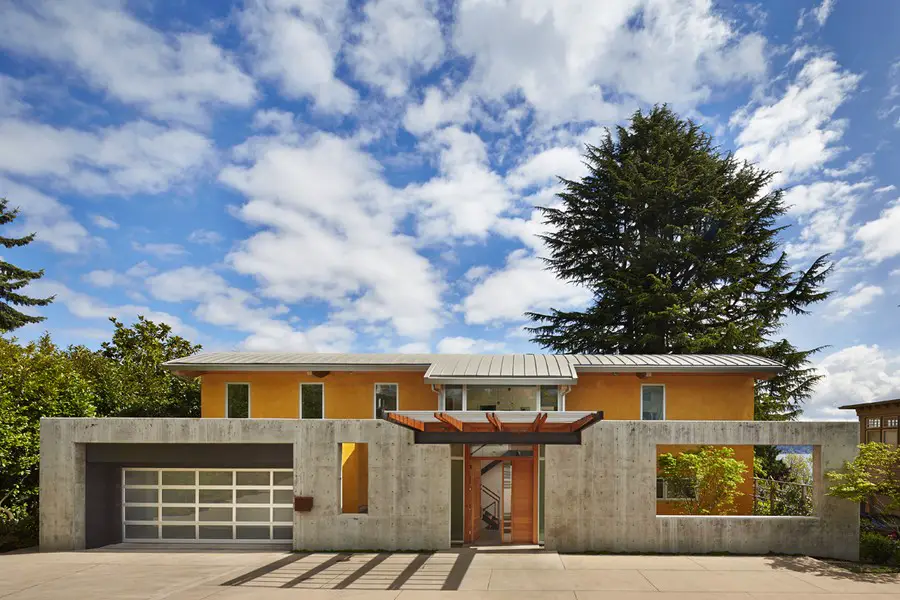
Design: Balance Associates Architects. Project focused on a 1940’s house in Seattle: the kitchen, garage and basement were all that remained standing after demolition. The basic layout remained but spaces were opened up to the view and to each other.
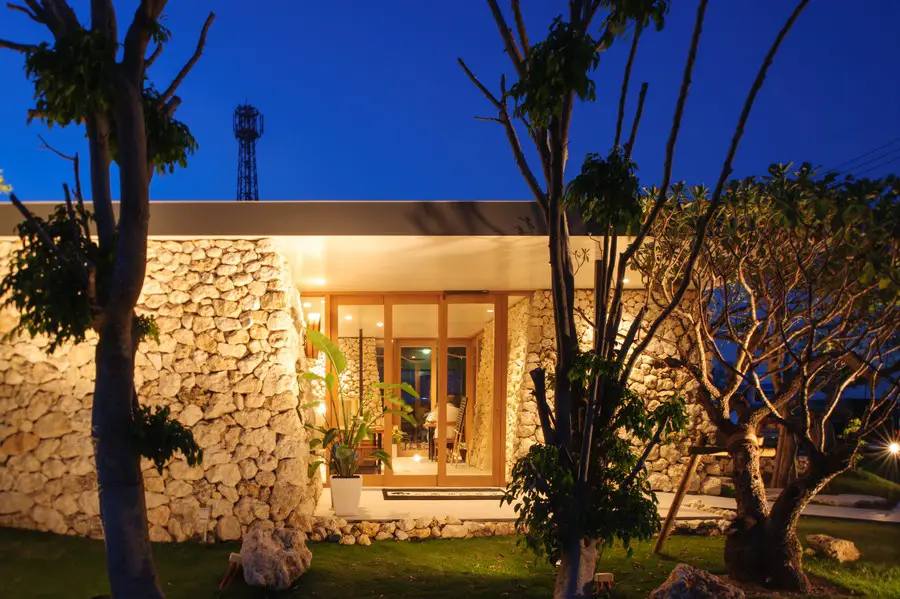
Design: Yamazaki Kentaro Design. Located in Itoman, Okinawa, the aim of this project is to support and promote local tradition and culture through its cuisine. The restaurant is covered in Ryukyu limestone and constructed via a “masonry workshop” organized by the project collaborators.
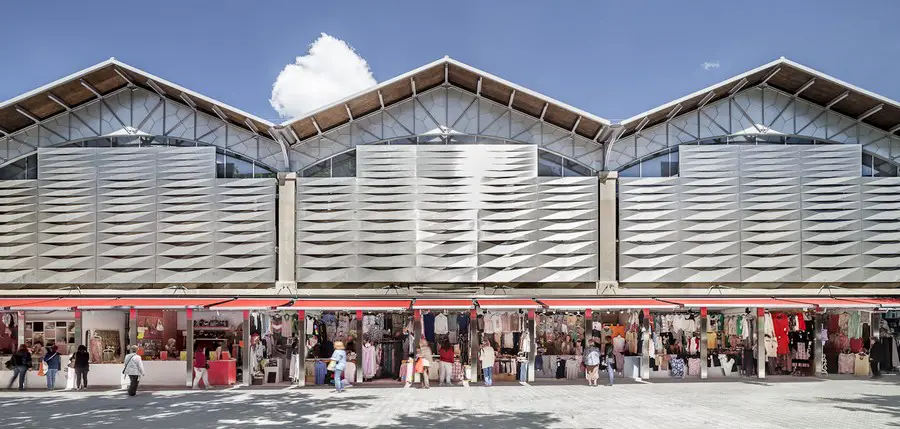
Design: Mateo Arquitectura
The architects conserved and repaired the beautiful structure that supports that roof. Beneath they dug into the site to introduce new services that complement sales activity: logistics, parking, installations.
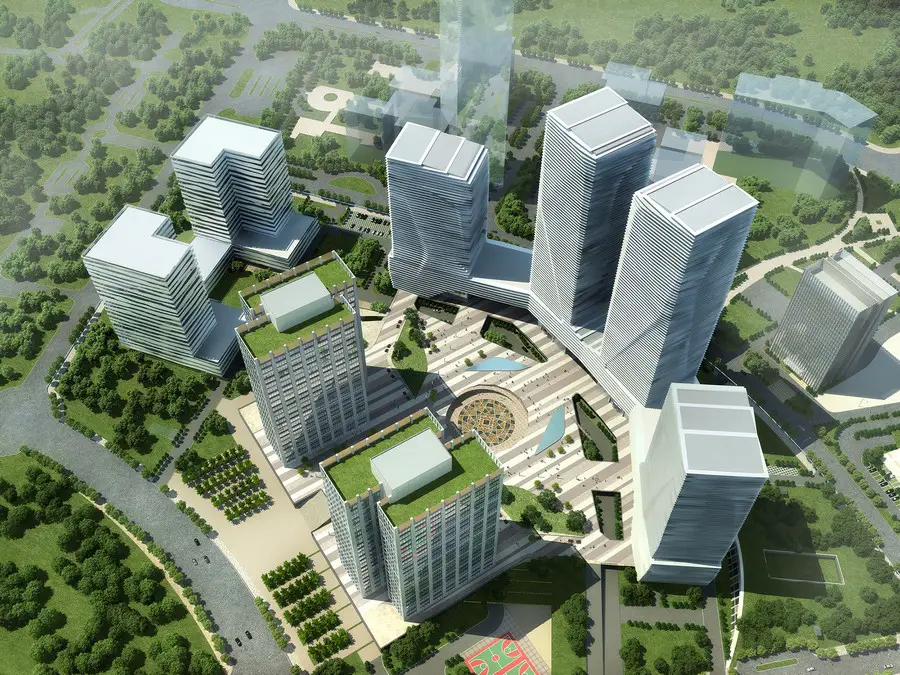
Design: RTA-Office, architects
Six office towers: two tall buildings of 160 m, two of 100 m and two adjacent buildings of 70 m each. The architecture design was made under rigorous volumetric constraints that included a symmetrical configuration.
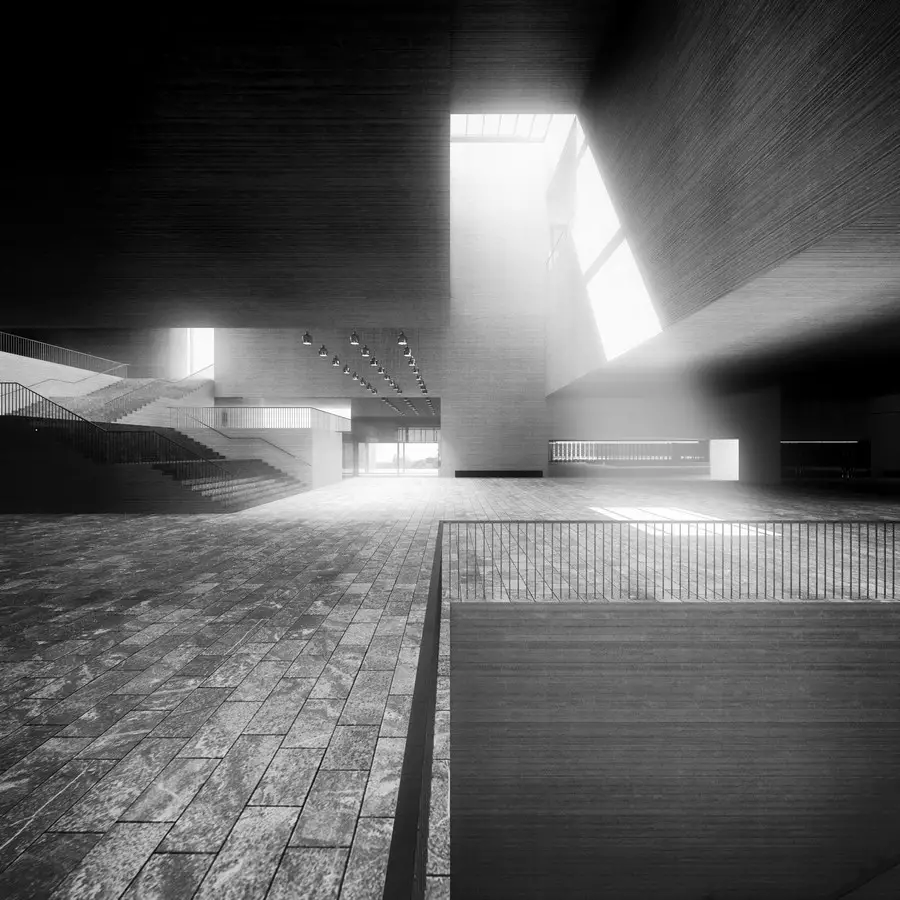
Design: Graeme Massie Architects
The new building design stems from both an understanding of its role as a civic building in a historic European capital city and its need to respond to the requirements of a twenty-first century museum.
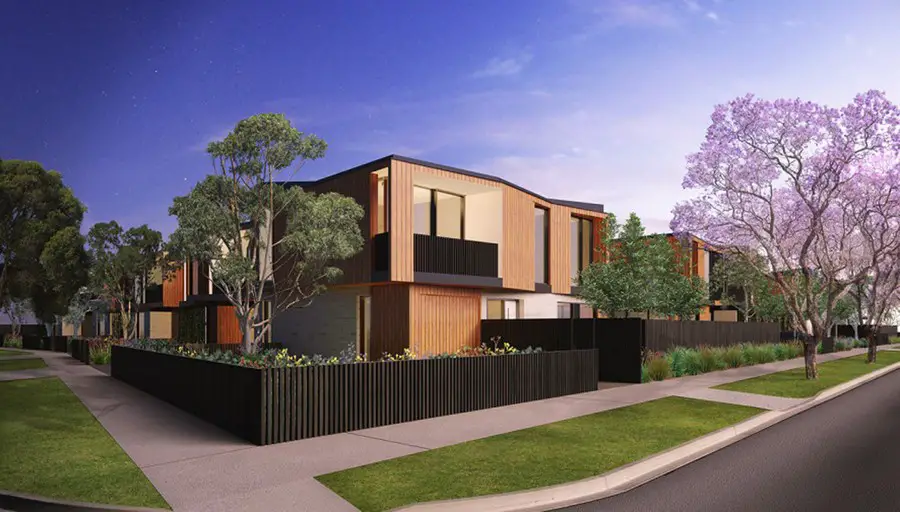
Design: Genton Architecture. Located on three street frontages, the compact 26 townhouse design and contemporary façade treatment with distinctive timber elements and soft cream bricks, blend harmoniously with the older post World War II houses in the area.
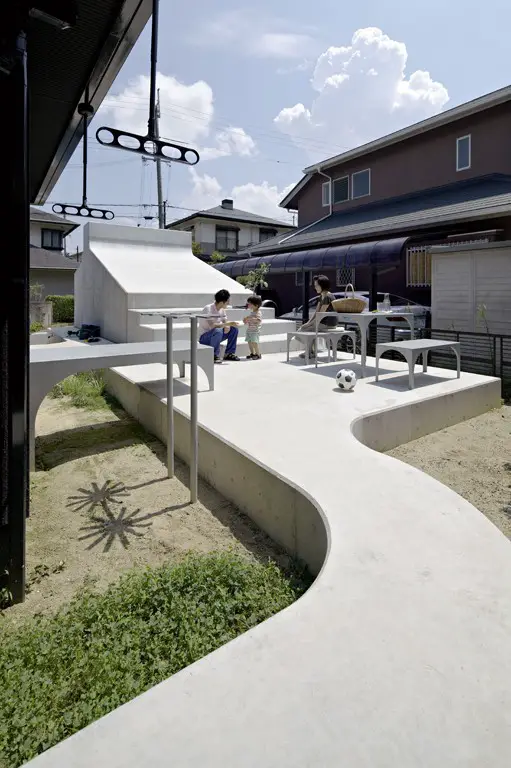
Architect: SPACESPACE. Located in a residential area in Ikoma-city, Nara: the architects stacked the garden and the parking lot at the same planar position by laying a concrete plane which is the roughly same size as living space, and lifting up the part of it to use its downside as the parking lot.
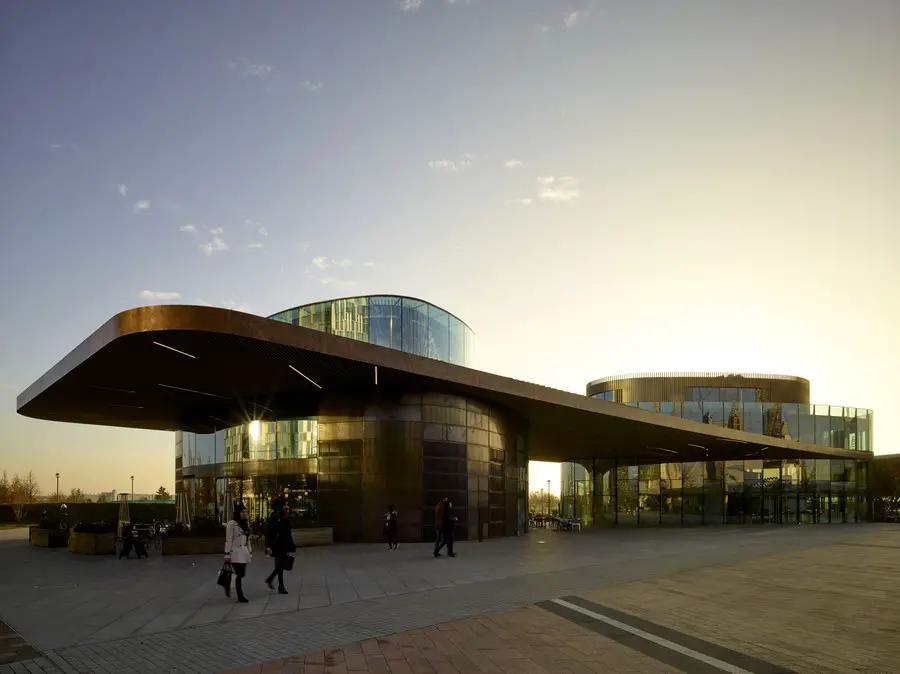
Design: Marks Barfield Architects. A pair of curved glass pavilions, linked by a clear-span canopy, are inspired by geomagnetic lodestones which were used as early compasses enabling the great world voyages of discovery – the maritime heritage for which Greenwich is famous.
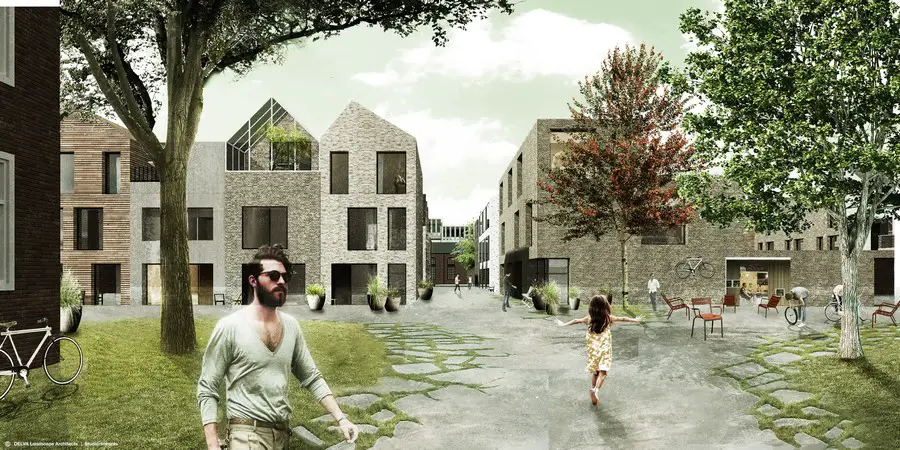
Design: DELVA Landscape Architects, Studioninedots and Skonk. People are searching for neighborhoods that have their own character and also allow for the possibility to have a say in how their surroundings further grow and develop. Furthermore the future is unpredictable.
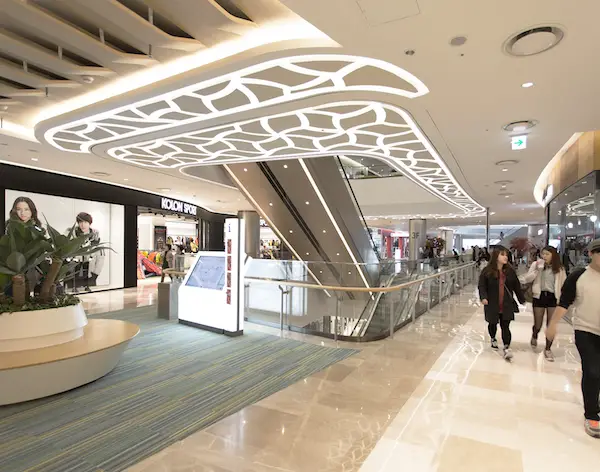
Design: Benoy, architects. Seamlessly integrated to a high-end department store, entertainment tower and world-class concert hall, the retail development has established a shopping and entertainment destination to elevate the city.
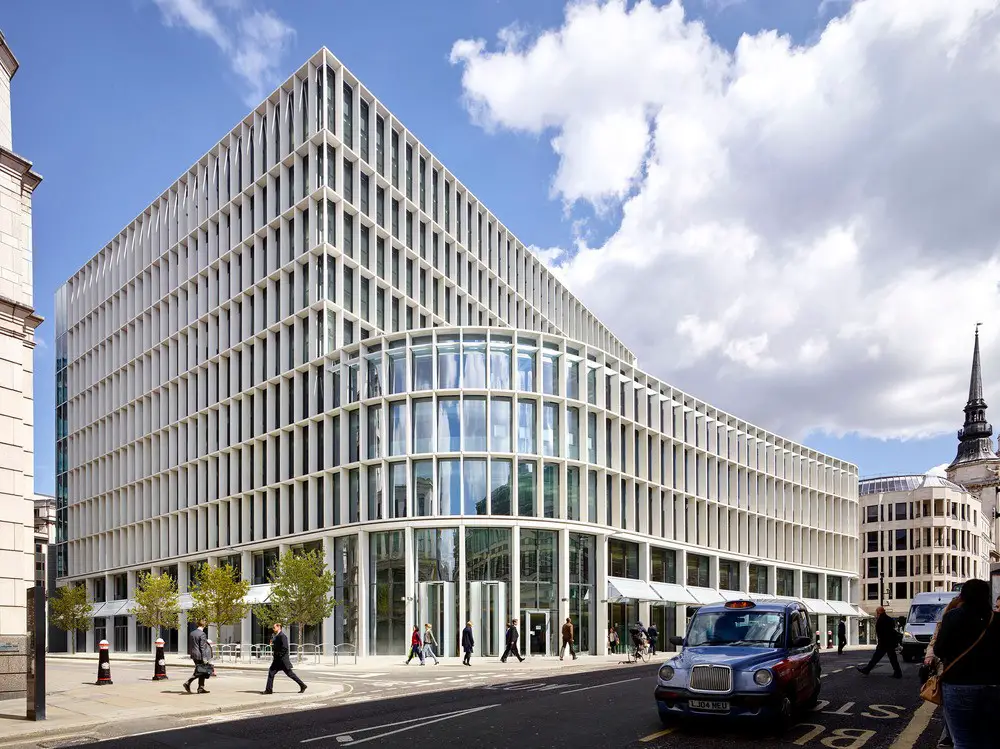
Design: Fletcher Priest Architects. The new Ludgate project sets up a dialogue between two striking and complementary new buildings whilst reinstating and improving the public realm around it and new routes through the city block.
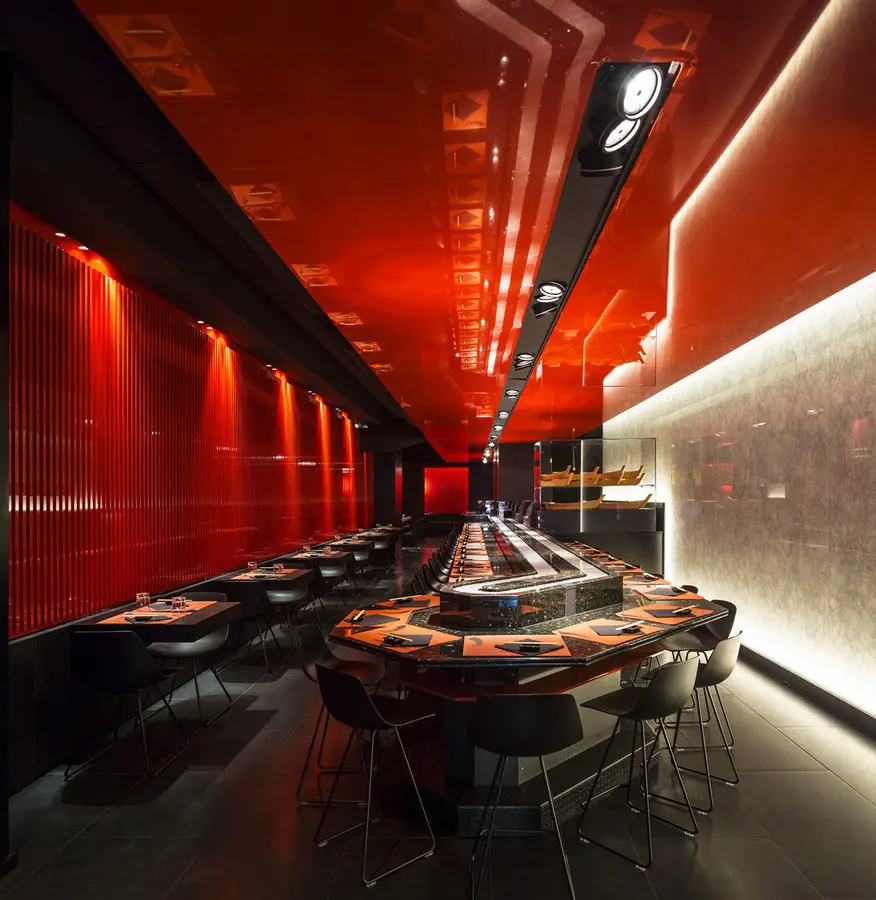
Design: Berarducci Architecture. Interior spaces inspired by the temples of Fushimi Inari in Kyoto. The project is conceived as a process, a sequence of steps and direction changes, which gradually reveal the interior.
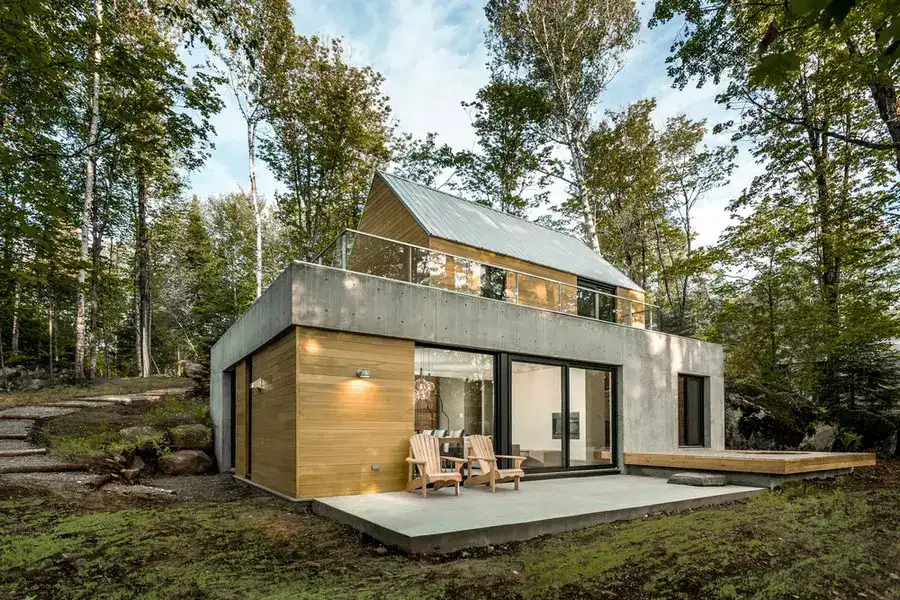
Design: YH2 Architecture. On the banks of Lac Supérieur, 90 minutes north of Montreal, a mountain – once the property of a former religious congregation – now houses a creative and innovative model for integrating contemporary architecture in a natural environment.