ITC Green Centre in Rajarhat, Kolkata
13 June 2026
Design: Morphogenesis
Location: Rajarhat, Kolkata, West Bengal, India
Photos by Paul Raftery
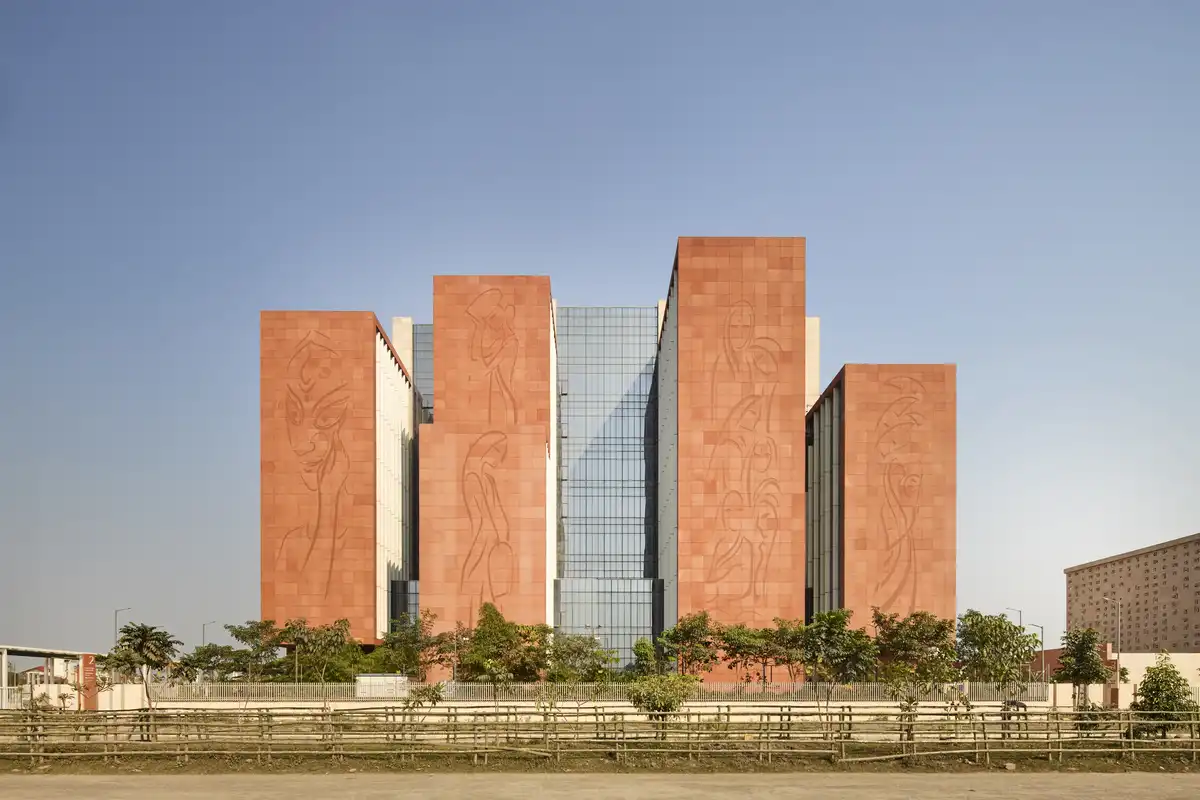
The new mixed-use development is designed as an urban canvas expressing Bengal’s vibrant cultural heritage, celebrating its enduring ethos of community and belonging.
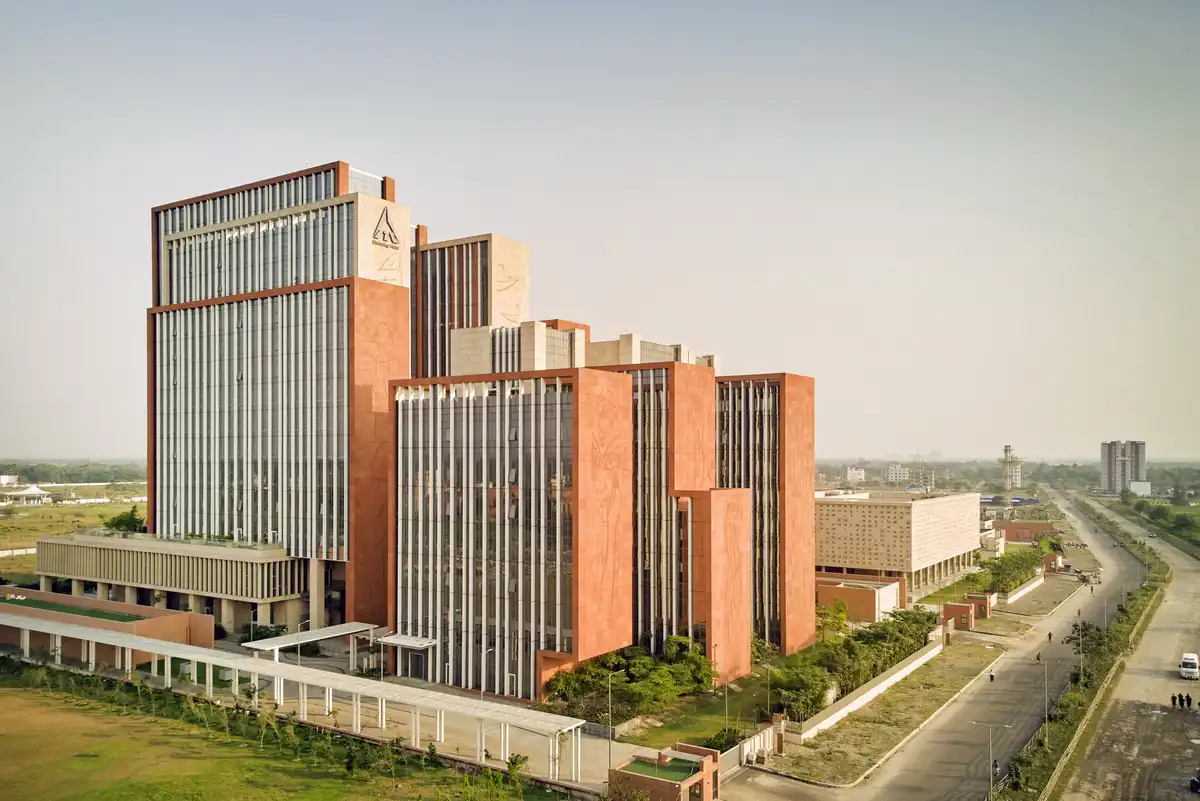
The ITC Green Centre in Kolkata is a 17-acre mixed-use development in Rajarhat—a rapidly expanding suburb envisioned as the city’s next growth corridor. Conceived as the winning entry of a design competition, the project brings together IT and corporate offices, a hotel, a knowledge centre, and residential towers. Beyond accommodating these varied programmes, the campus acts as an urban anchor, shaping a new district within the city’s dense fabric.
The architecture draws directly from Bengal’s cultural and environmental context—the cycle of six seasons, a warm and humid climate, and an enduring ethos of community and belonging. These principles inform every aspect of the design, from building orientation and landscape planning to spatial organisation and artistic expression.
The buildings are placed at an 18-degree tilt from the east-west axis, which reduces solar exposure by roughly 25%. This strategic orientation captures prevailing southern winds to naturally ventilate the outdoor areas. In Kolkata, a city characterised by a warm-humid climate, the intervention lowers perceived temperatures by up to 5°C.
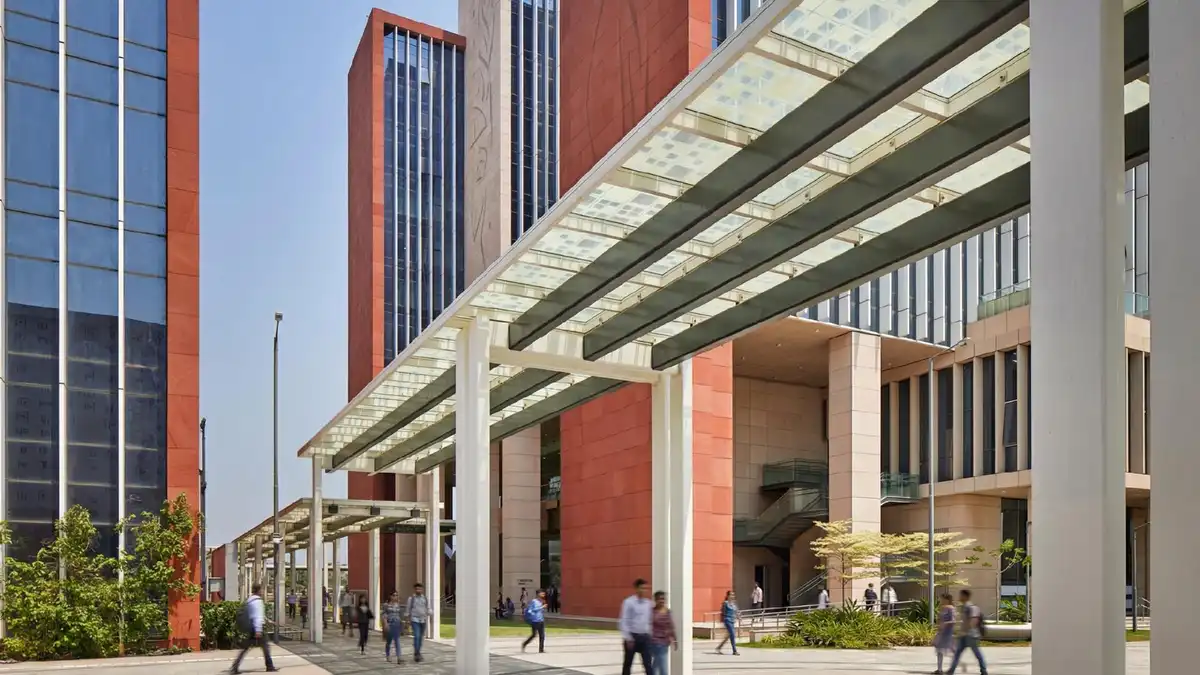
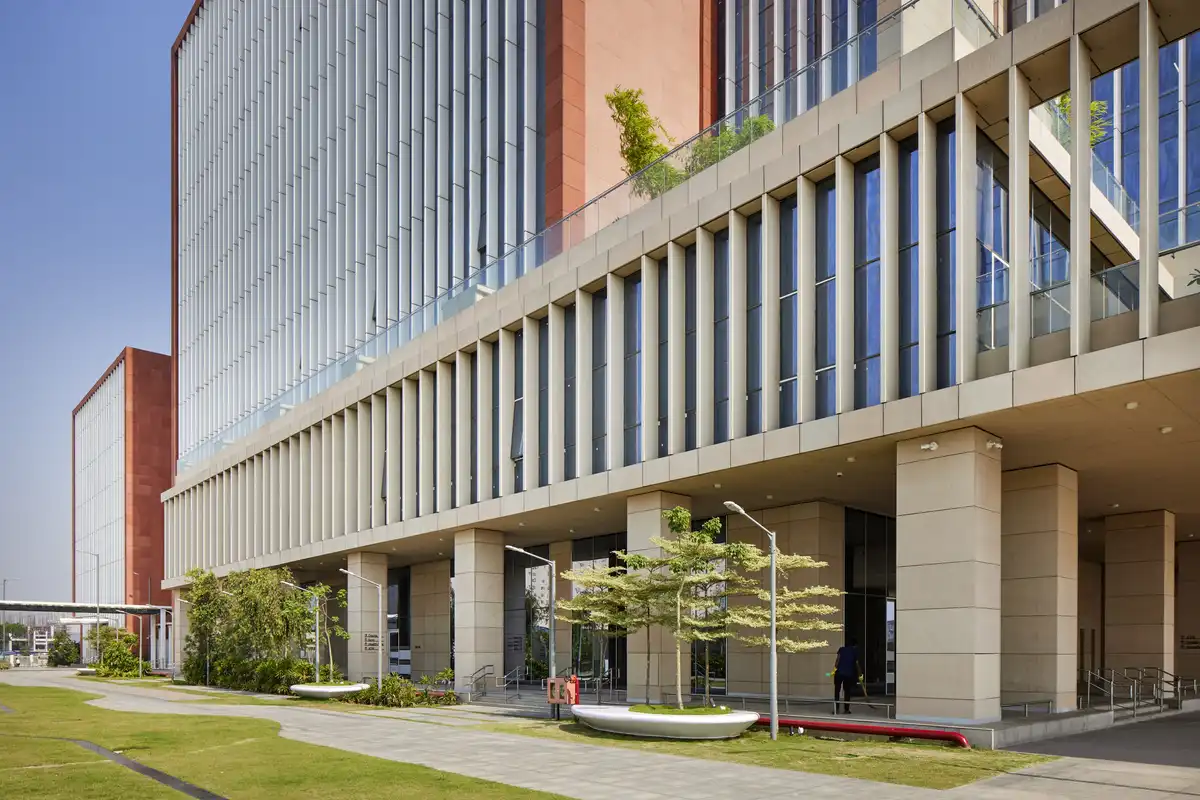
Vehicular movement is confined to a peripheral loop road, freeing the heart of the campus for pedestrian use. At its centre, a public spine, which is shaded and weather-protected for year-round comfort, becomes the campus’s primary axis. From this axis extend linear walking paths, named after the six seasons of the traditional Bengali calendar, such as Grishmo Drive (summer) and Borsha Channel (monsoon), ensuring that every part of the campus reflects the seasonal rhythms. Each of these landscaped avenues features seating, gardens, and public art that draw inspiration from festivals, colours, and rituals, animating the outdoor spaces with activity all year round.
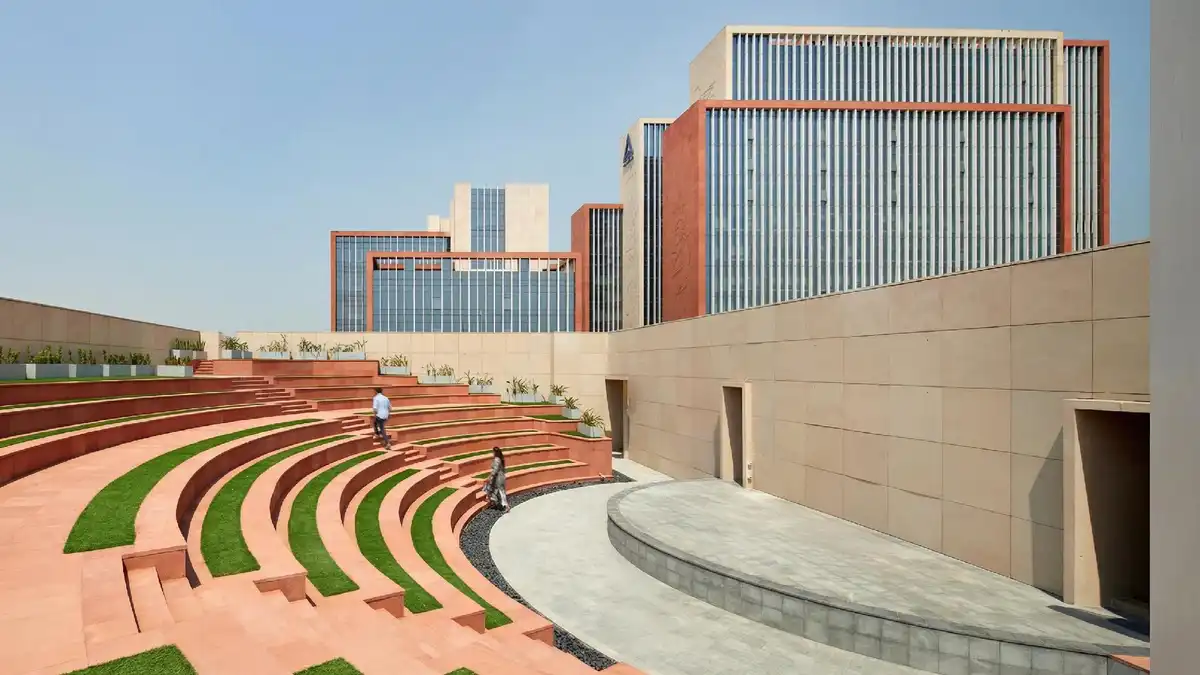
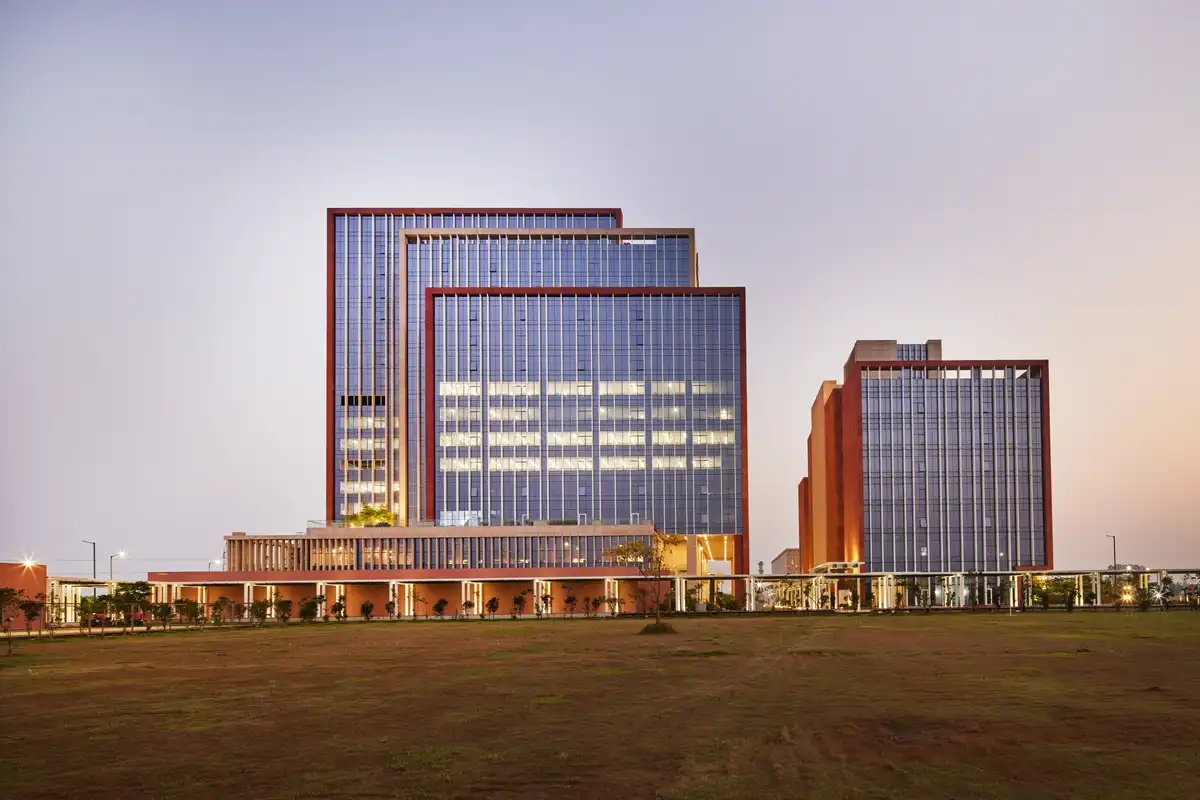
Within this culturally and climate-responsive framework, the campus architecture strikes a balance between innovation and tradition. The commercial office buildings are designed for high performance and flexibility, utilising a virtually column-free structural system that enables open, adaptive floor plans with over 85% space efficiency. Large floor plates are broken into day-lit wings to ensure that about 90% of workspaces receive natural light without glare. Floor plate depth is limited to roughly 17 meters, and a regular structural grid of about 8.5 by 8.5 meters optimises layouts for both offices above and parking below. This modular approach avoids monotonous massing by shifting volumes for visual interest while remaining robust and future-ready. In fact, the first-phase IT towers, for instance, were later successfully reconfigured as research facilities post the pandemic, demonstrating the design’s flexibility in accommodating changing needs over time.
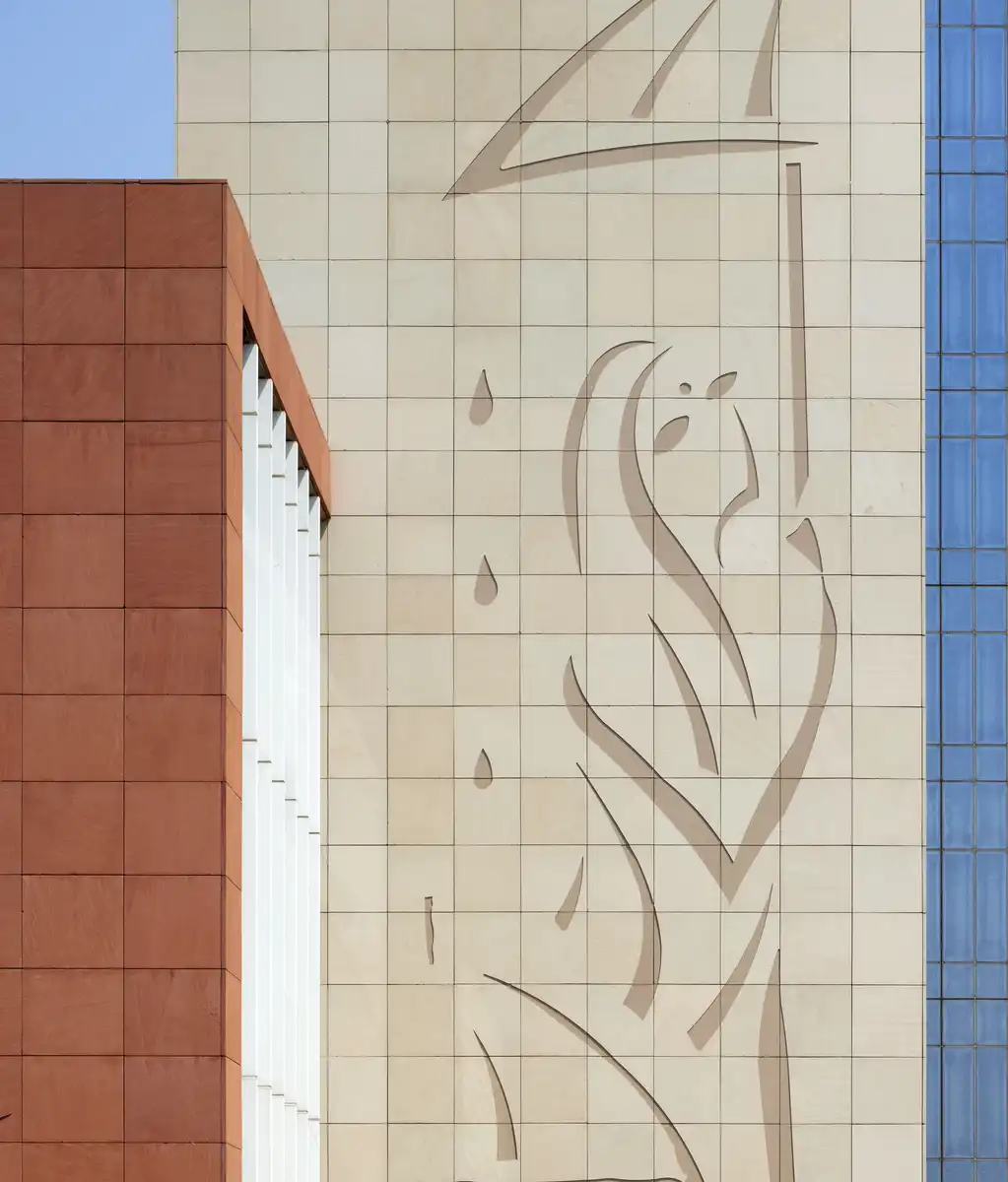
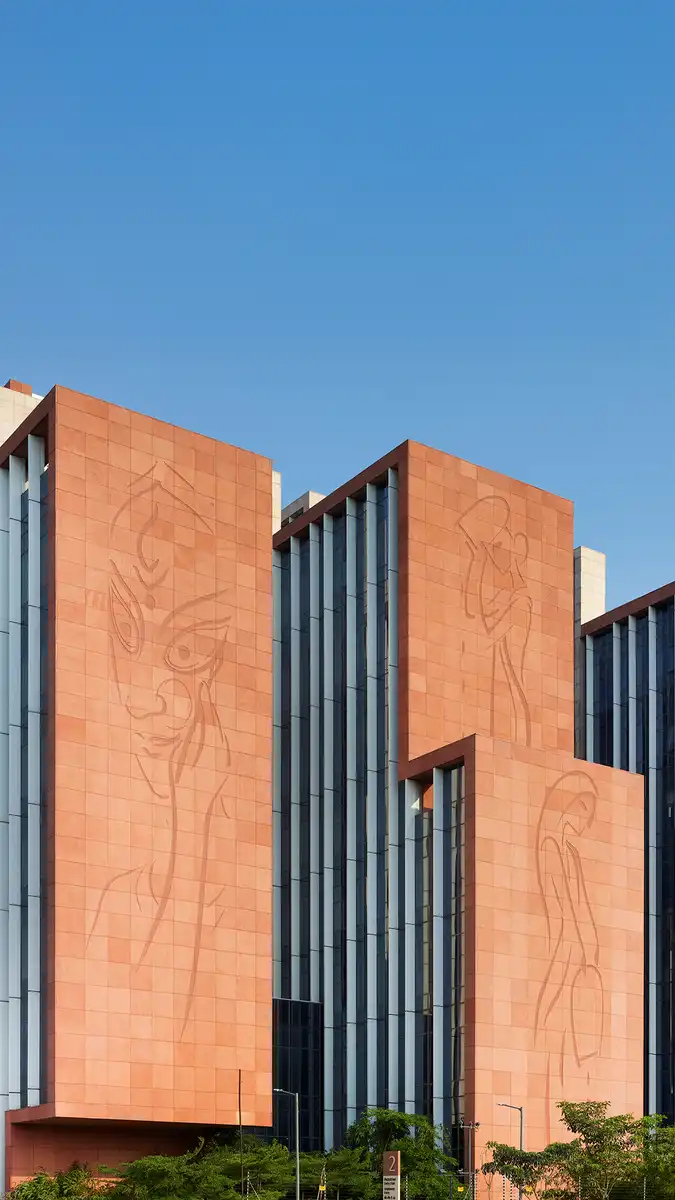
The eastern and western facades of the building are expressed as an urban canvas that celebrates Bengal’s unique identity. Breaking rank with conventional glass and steel, the east and west faces of the towers and the knowledge centre are clad in expansive sandstone panels carved with motifs of Bengali art and craft. These vertical murals draw inspiration from the cyclical themes established in the landscape design, as well as everyday scenes that capture local life – from wooden boats that recall the city’s maritime history and lush tea gardens to festivals such as Durga Puja and the Bengali New Year – rendered in a contemporary, minimalist style.
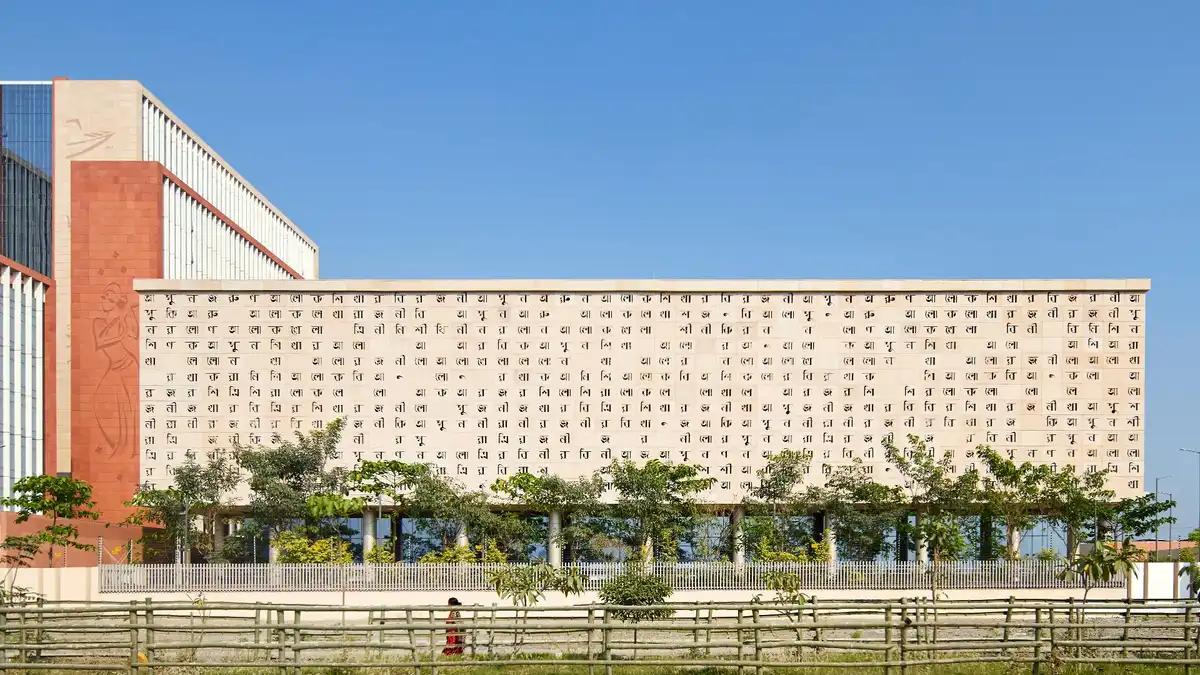
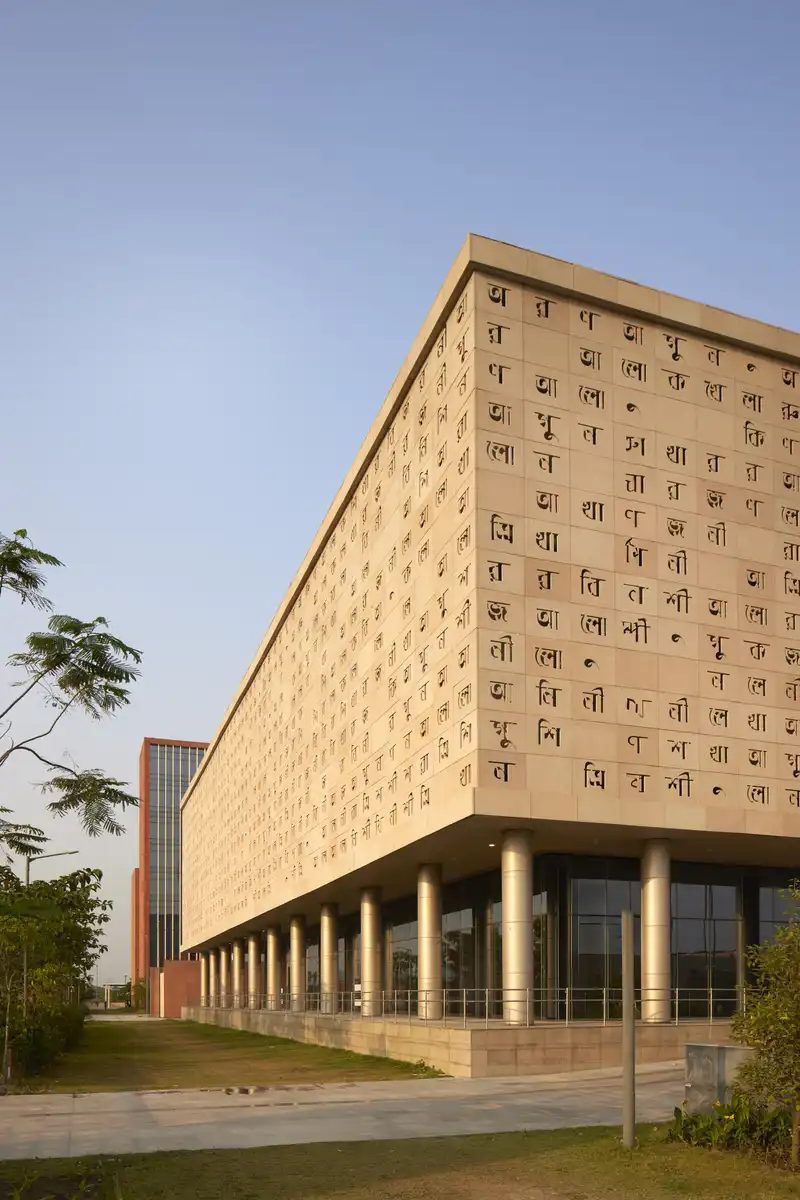
To create this public art at an architectural scale, the design team launched an open call inviting artists and students from across Bengal to contribute ideas. Dozens of participants attended a site workshop and sketched their interpretations of Bengal’s lifestyle and traditions through the lens of seasons and community celebrations. The themes emerging from this participatory process were refined and translated into large-scale graphics for the buildings’ exteriors. Local artisans then merged tradition with technology: hand-drawn artwork was digitized and CNC-milled into sandstone panels, after which skilled craftspeople hand-chiselled final details to add depth and a rich play of light and shadow. The finished panels were mounted onto the structures, combining age-old carving techniques with modern installation methods. The façade of the knowledge centre features elegant compositions of the Bengali script inspired by Rabindranath Tagore’s poetic themes of light and shade as depicted in his work Gitanjali, lending this human-scaled venue a profound cultural character alongside its monumental murals.
Visitors and occupants encounter elements of Bengal’s cultural heritage at every turn. Motifs drawn from local art, literature, and even traditional home design, such as ornamental grills, geometric floor patterns, and louvred screens are interpreted throughout the campus in contemporary ways. At the same time, larger installations, such as sculptures and murals, celebrate regional stories and folk art, making the entire site a living gallery of Bengal’s identity.
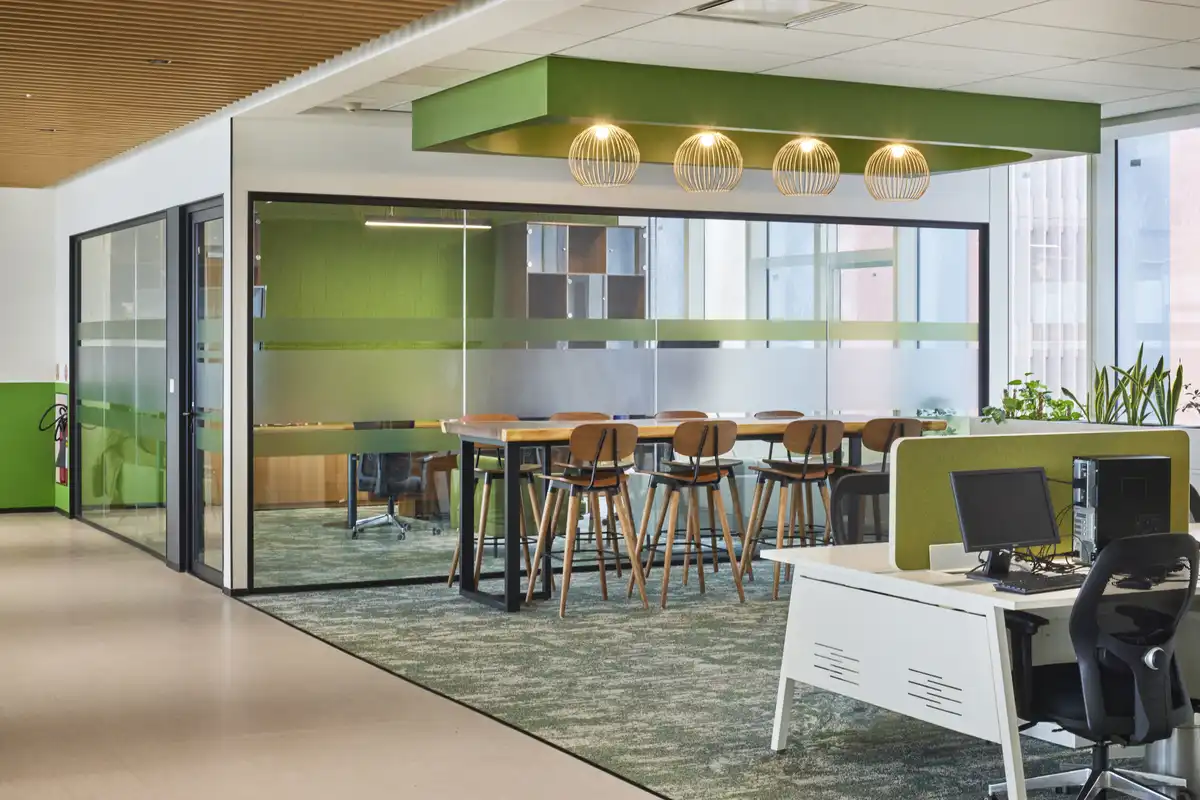
The interiors extend the narrative, with lobbies and collaborative workspaces animated by textures and patterns rooted in local craft—terracotta tiles, graphic weaves, and wall motifs that echo Bengali festivals and culinary traditions. Distinct colour palettes across different floors reference the company’s brand ethos while shaping varied atmospheres.
Monsoon finds expression in motifs of water ripples and raindrops, translated into wall patterns and acoustic panels. Poila Boishakh, the Bengali New Year, and Poush Parbon, the kite-flying festival, inspire vibrant graphics and flooring patterns. The Garad saree, worn during Durga Puja, informs the use of traditional colours, while the Kantha stitch lends its intricate patchwork aesthetic to surfaces. Bamboo craft, deeply rooted in the region’s vernacular, is reimagined in lighting and material palettes. Together, these references weave the cycle of seasons into the architecture, embedding everyday life and festivities of Bengal into the campus experience.
Equally important, the campus demonstrates a strong commitment to sustainability and liveability. The climate-sensitive orientation and shaded outdoor corridors maintain a comfortable ambient environment, reducing the reliance on extensive air conditioning and encouraging people to use outdoor spaces throughout the year. High-performance building envelopes with external insulation, limited window areas, and 450 mm-deep vertical stone fins substantially cut heat gain while still admitting ample daylight. Greenery is provided indoors to promote a healthy, livable environment for occupants.
An energy-efficient radiant cooling system further lowers the buildings’ carbon footprint, helping the project achieve a Platinum pre-certification under the Indian Green Building Council’s rating system. Energy consumption is targeted at approximately 43 kWh per square meter per year, significantly outperforming typical commercial benchmarks in India. By integrating passive design strategies with modern engineering solutions, the campus optimises resource use and provides a comfortable, healthy atmosphere for occupants.
Now unfolding in phases, the ITC Green Centre has already completed key components, including two IT office towers and a knowledge centre. As new offices, residences, and amenities emerge, the development continues to evolve, aiming to highlight how contemporary architecture can derive a unique identity from local culture while meeting global standards of sustainability and performance. In its design and daily experience, the campus embodies the rhythms of Bengali life—vibrant, community-oriented, and adaptive—offering a model of urban development where optimisation and liveability go hand in hand with heritage and creativity.
ITC Green Centre in Rajarhat, Kolkata, India – Building Information
Design: Morphogenesis – http://www.tatahousing.in/
Project Name: ITC Green Centre
Typology: Mixed Use Development
Location: Rajarhat, Kolkata
Completion date: Under construction
Client: ITC Pvt. Ltd.
Built-up Area: 30,00,000 Sq.Ft.
Site area: 17 Acres
Climate: Warm-Humid
Consultants:
Structure: Sterling Engineering Consultancy Services Pvt. Ltd.
MEP: AECOM
HVAC: AECOM
Plumbing: AECOM
Electrical: AECOM
Fire Fighting: AECOM
Green consultant: AECOM
Lighting: Design Matrix
Hospitality: HPG Consulting
Traffic: Traffic & Transportation Engineering Consultants
Quantity surveyor: IM Cost Management
Security: Mahindra SSG
PMC: ITC (Client)
Façade: Meinhardt Façade Technology
Sustainability: Morphogenesis
Landscape Design: Morphogenesis
Interior design: Morphogenesis
Master planning: Morphogenesis
Contractors:
Piling: Geo Piling Solutions
Team of Architects: Arnab Dutta, Kiran Yadav, and Abhishek Arora
Photographer: Paul Raftery
ITC Green Centre, Rajarhat, Kolkata images / information received 130626
Location: Rajarhat, India, southern Asia
Bandipur: An Ecotourism Treasure
Bandipur lies at the core of Nilgiri Biosphere Reserve in southern India and attracts tourists from across the globe seeking something truly memorable: breathtaking landscapes, diverse flora and fauna species and rich cultural history all come together into an exceptional visitor experience that ensures visitors enjoy every step of their journey experience! Here we explore its magical places which ensure visitors enjoy every step! So, make sure to Book rooms at resorts in Bandipur for Luxury stay.
Bengaluru Buildings
Contemporary Architecture in Bengaluru
Axis Pramiti – School Building, Bangalore, Karnataka, southern India
Design: The Purple Ink Studio, architects
picture : Shamanth Patil J
Kanakpura School Building in Bengaluru
Bangalore Hotel + Spa
Design: Mohsin Cooper
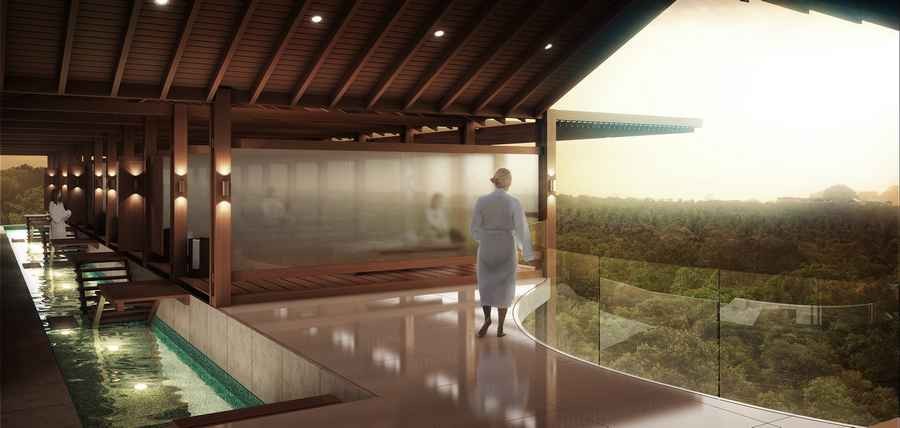
image : F10 Studios
Bangalore Hotel
Vivanta by Taj MG Road Bangalore hotel
Design: WOW Architects / Warner Wong Design
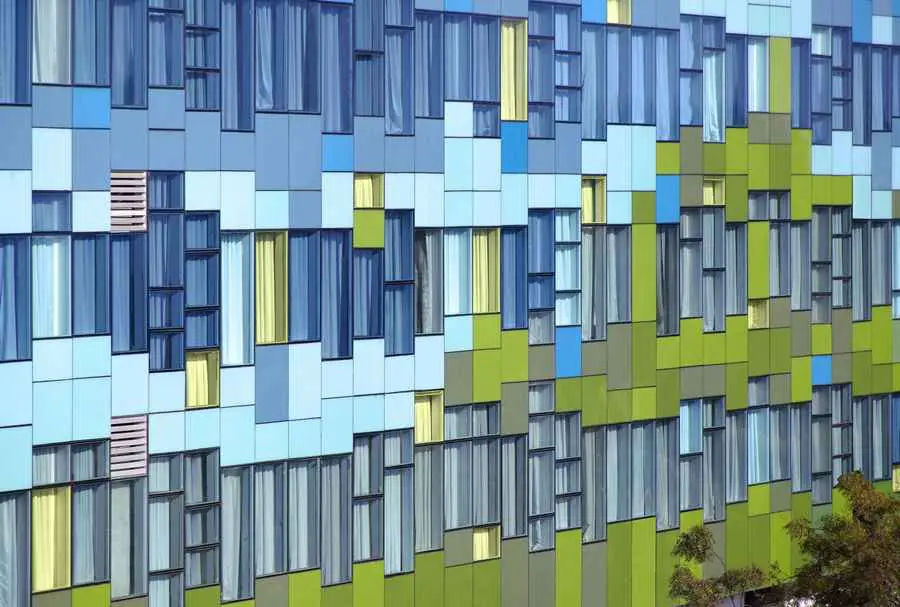
photo : Aaron Pocock Architectural Photography
Vivanta Bangalore Hotel
New Indian Houses
Best Contemporary Residences in India – recent selection on e-architect:
, Agra, Uttar Pradesh
Architecture: Studio Archohm
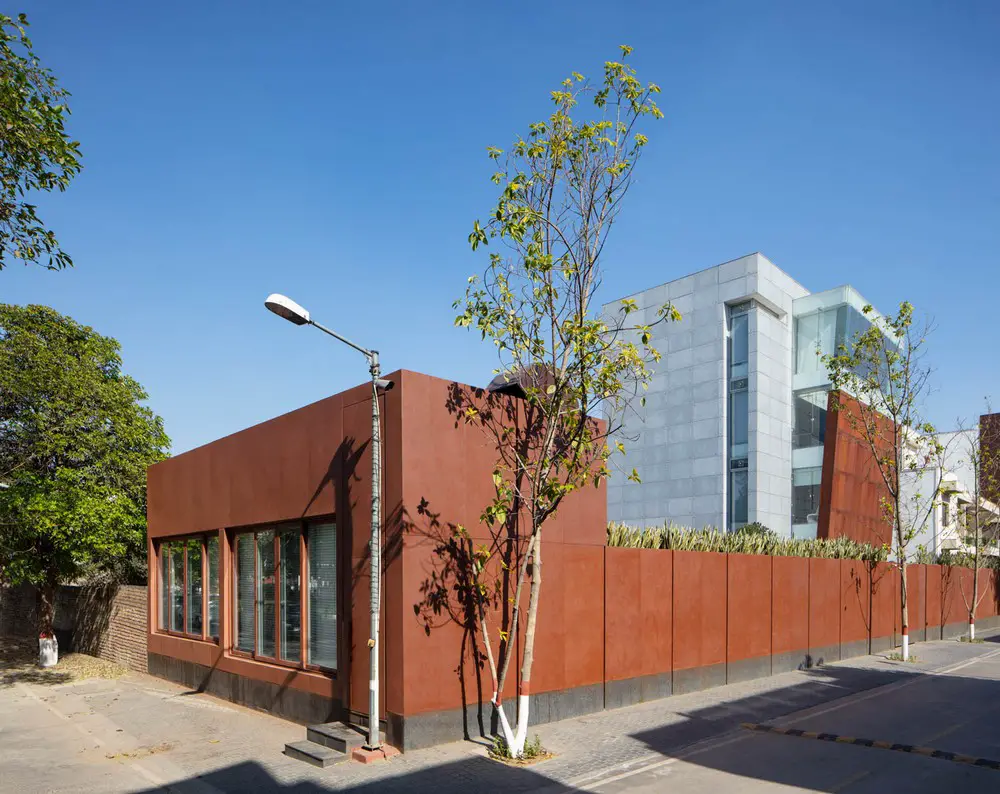
photo © Andre Fanthome
Dawar House
Ladhani House, Noida, Uttar Pradesh, northern India
Architecture: Studio Archohm
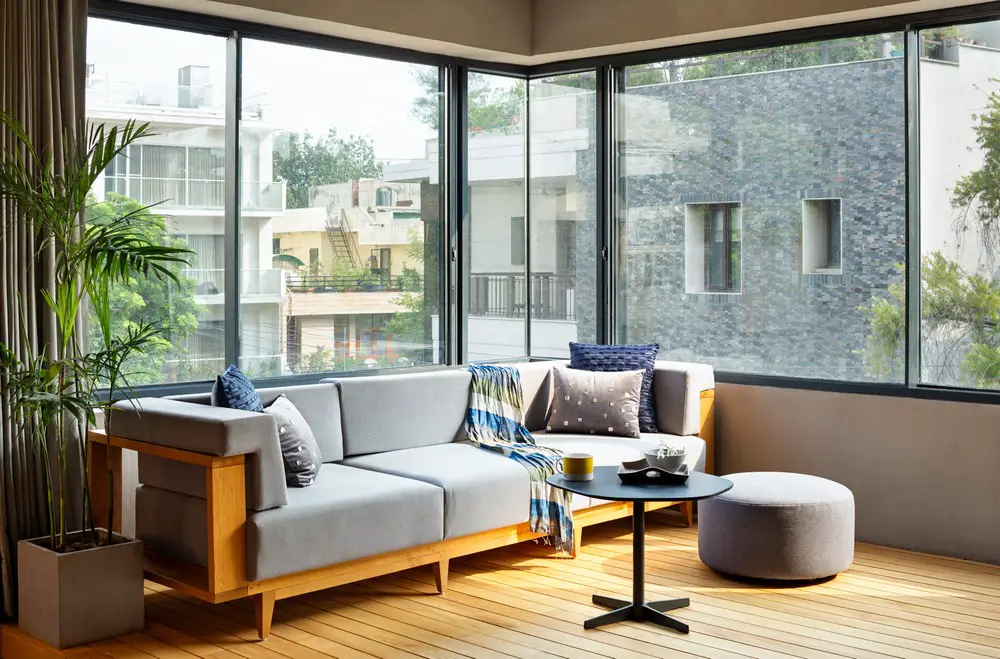
photo © André J. Fanthome
Hanging House, Noida, Uttar Pradesh
Residence 145, Chandigarh, north western India
Design: Charged Voids – led by Architect Aman Aggarwal
photo : Javier Callejas
Residence 145, southern Chandigarh property
Indian Architecture
Indian Architecture Designs – chronological list
Comments / photos for ITC Green Centre in Rajarhat, Kolkata designed by Morphogenesis page welcome