Museu Gaudí Teresianes Barcelona Design
8 June 2026
Barcelona promotes a new museum dedicated to Antoni Gaudí with the approval of the Vatican, coinciding with the Pope’s arrival
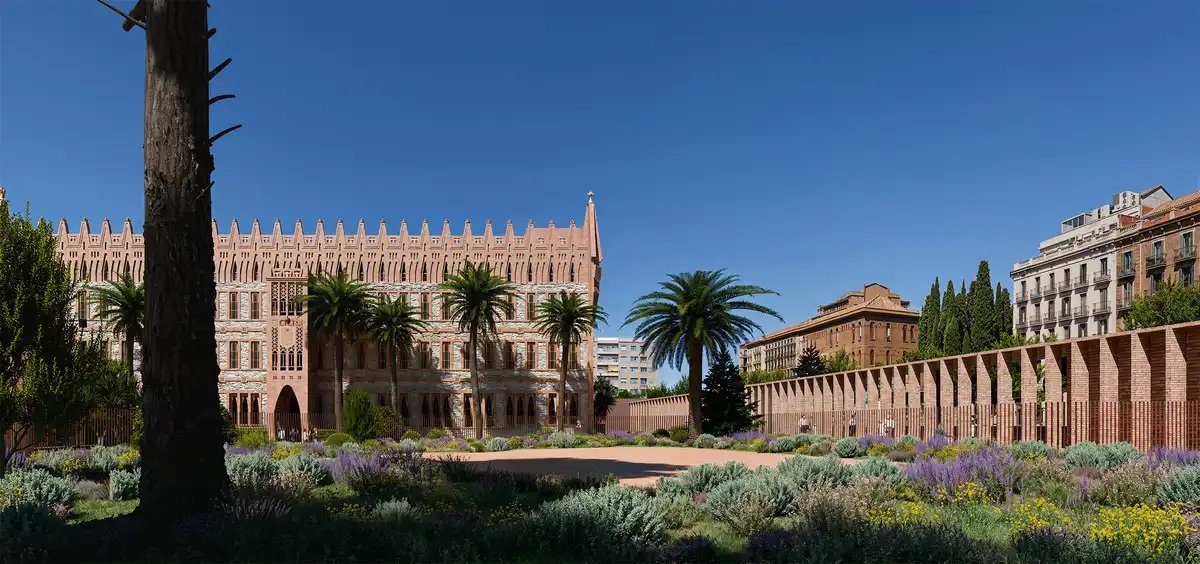
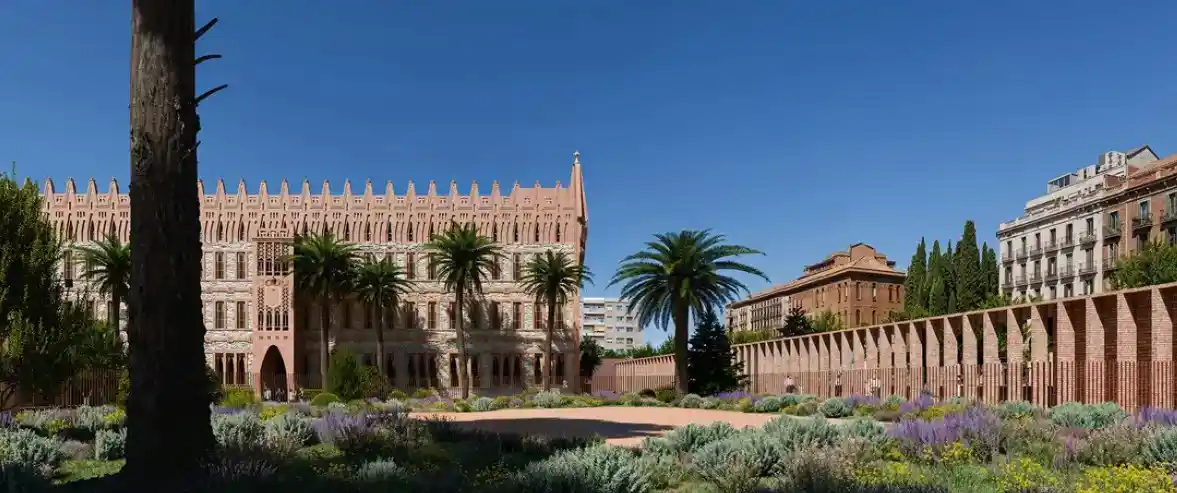
Images: Arquitectura Genís Planelles
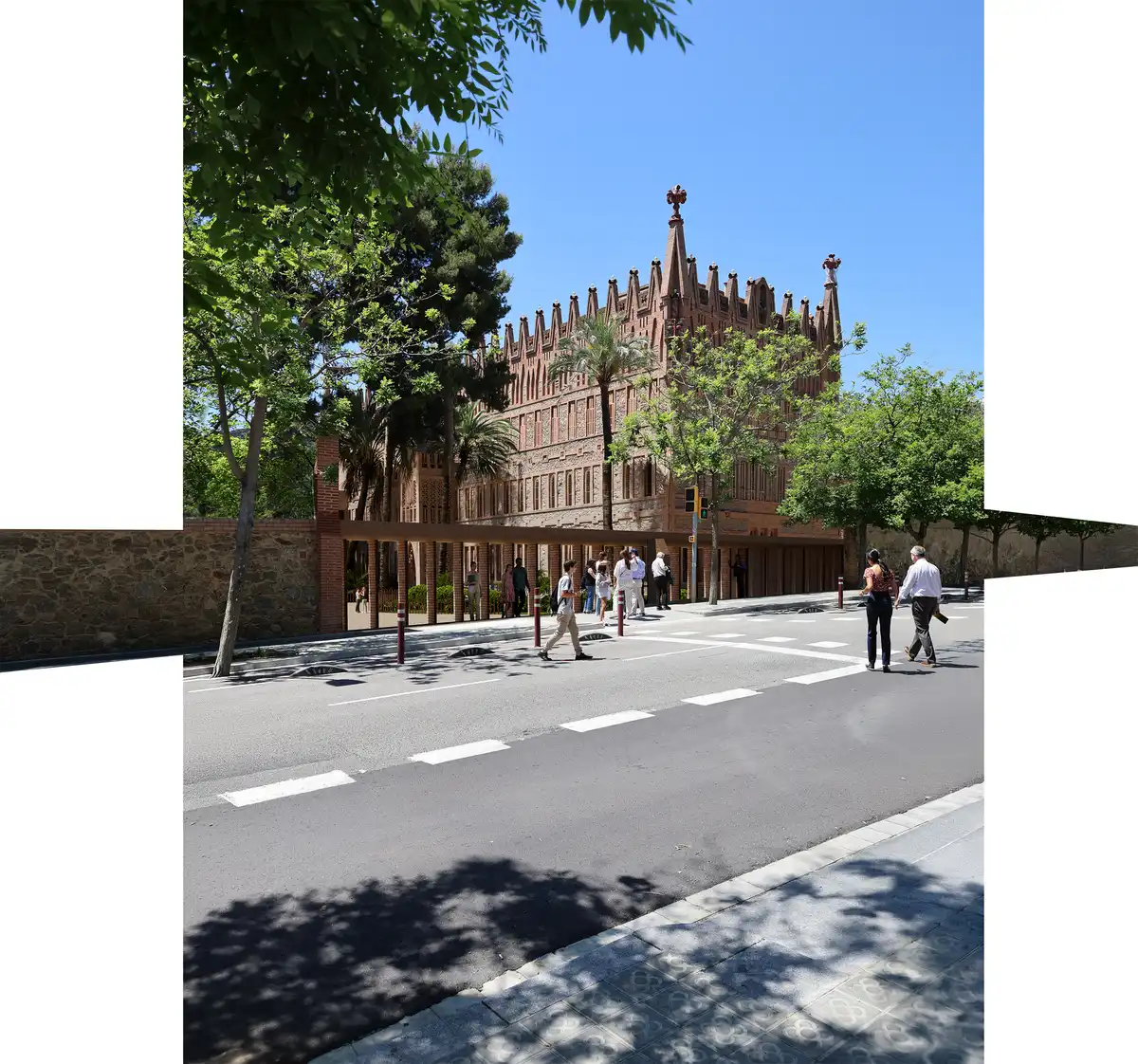
Barcelona, June 8th, 2026 – Coinciding with the Pope’s visit to Barcelona, the Museu Gaudí Teresianes is presented—a new cultural facility within Antoni Gaudí’s building of the emblematic Teresianes College on Ganduxer Street in Barcelona, designed to discover the most spiritual Gaudí and explore his life and professional journey.
The project will expand the Gaudí narrative of the city beyond the most well-known buildings and will allow for the highlighting of an architectural, spiritual, and educational legacy of exceptional singularity.
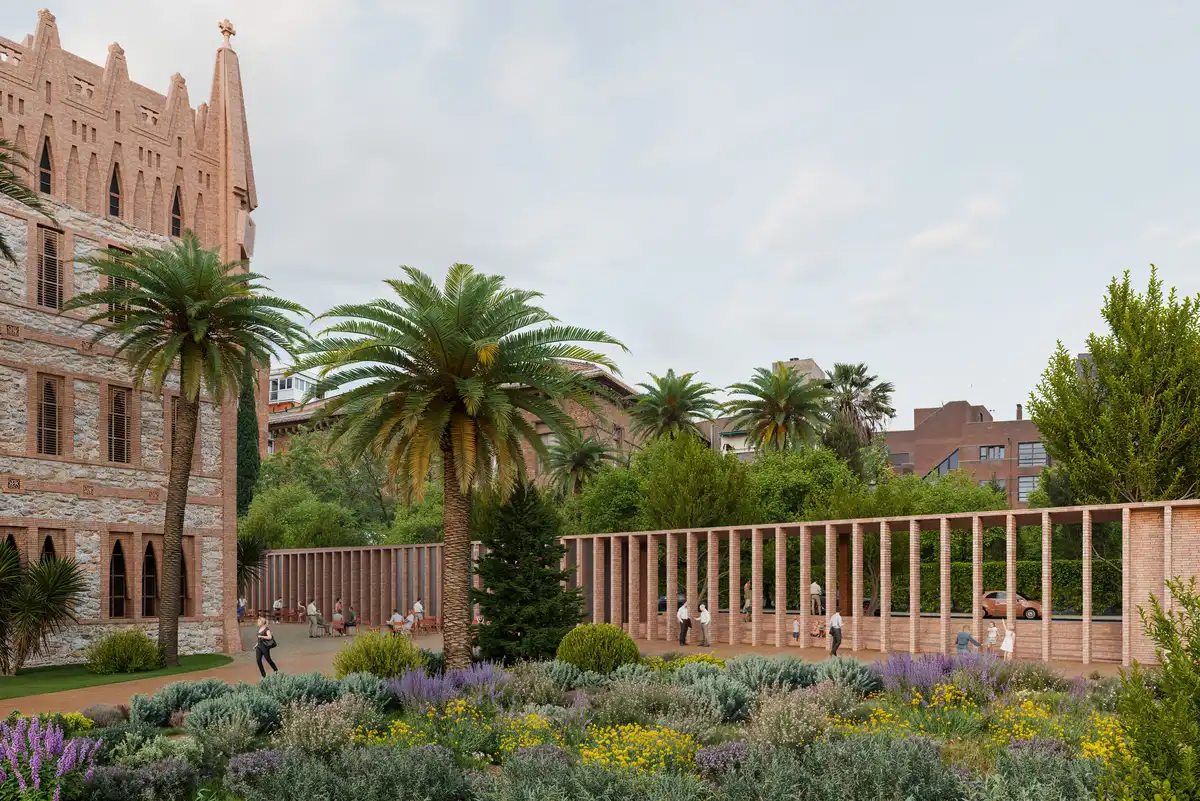
Museu Gaudí Teresianes. A new cultural hub for Barcelona
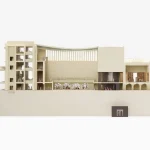
The Teresianes College, designed by Antoni Gaudí between 1888 and 1890, previously inaccessible to the general public, will be converted into a museum that will combine heritage, art exhibitions, and activities to discover the exceptional architect in all his facets.
The new cultural facility will open to the public in early 2028, making one of the architect’s most unknown works available to everyone and offering a state-of-the-art museographic experience.
The official presentation of the Museu Gaudí Teresianes takes place just after the authorization from the Vatican has been confirmed and is part of the Gaudí Year, contributing to strengthening Barcelona’s position as one of the great European cultural capitals.
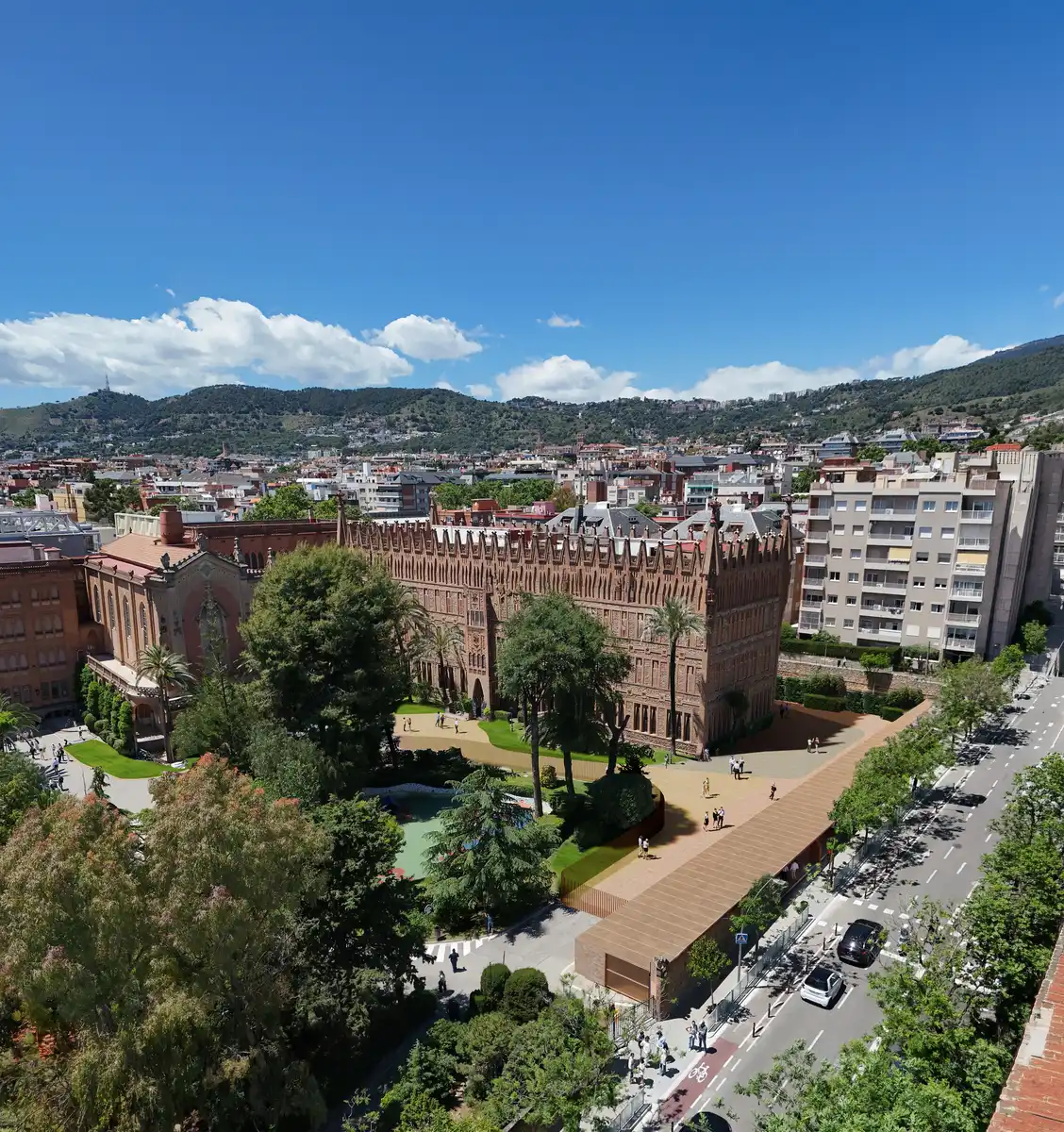
The project is born coinciding with three events of special relevance: the Pope’s visit to Barcelona, the celebration of the Gaudí Year, and the commemoration of the 150th anniversary of the founding of the Company of Saint Teresa of Jesus.
Located in the Teresianes College on Ganduxer Street, one of Antoni Gaudí’s most unique and least known works, the new museum will allow for the discovery of a little-explored dimension of the Catalan architect: his spiritual quest, his essential conception of architecture, and his link with the educational and humanist values promoted by Enric d’Ossó based on the spiritual guidance of Saint Teresa of Jesus.
The opening of this historic building to the public represents a heritage milestone of the highest order. For the first time, visitors will be able to have regular access to a space that until now had remained practically inaccessible and which constitutes a key piece for understanding Gaudí’s creative evolution. A space that will be complemented by free access to a part of its garden from which to contemplate the grandeur of the building.
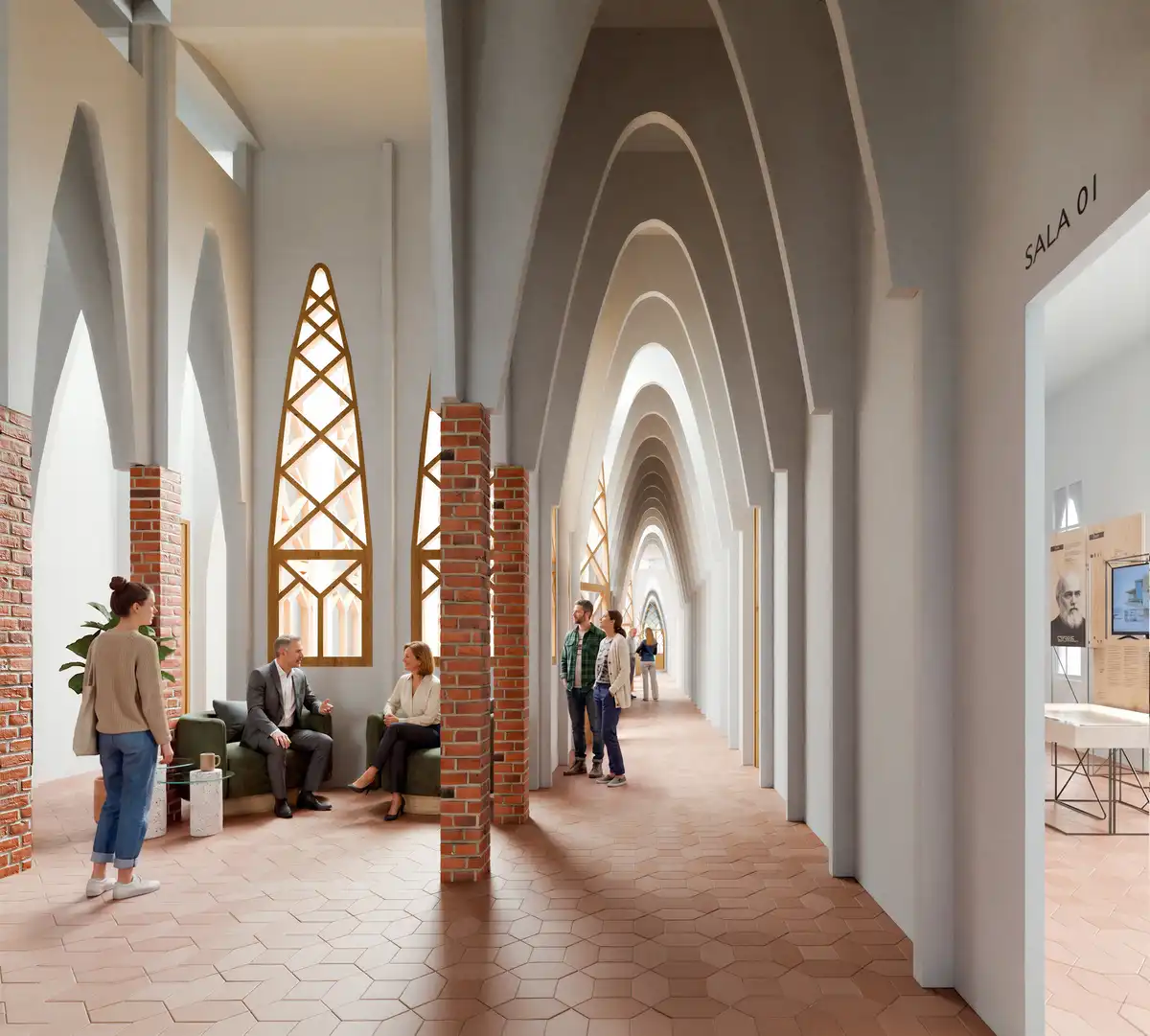
A 21st century museum
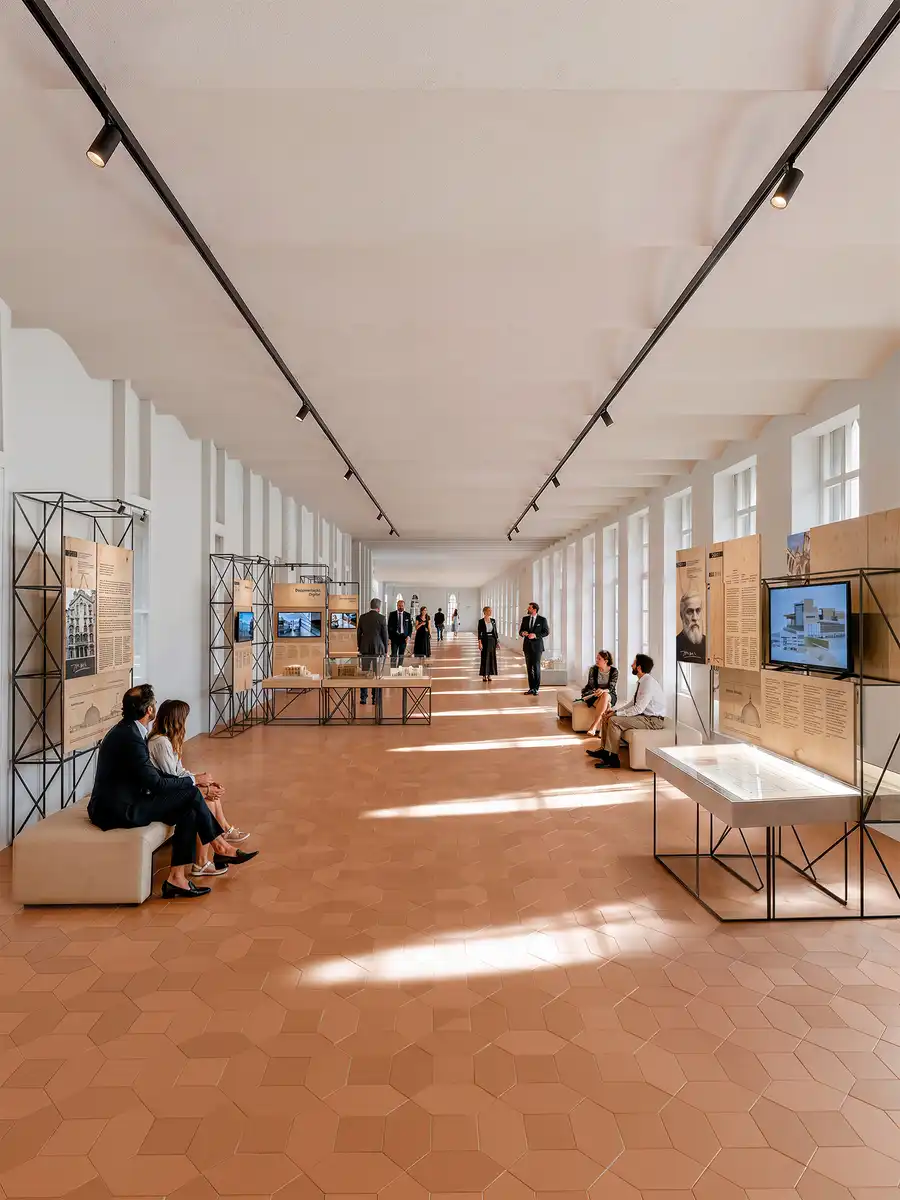
The Museu Gaudí Teresianes is conceived as an innovative cultural center that will combine heritage, research, dissemination, and advanced technology. The museographic proposal will incorporate audiovisual and multimedia resources, original pieces and documentation as well as facsimiles, models and interactive modules, physical and virtual restitutions, panoramic projections, and architectural mappings… In short, everything at the service of a comprehensive and engaging reading, in a combination of traditional and innovative techniques to facilitate a contemporary approach to the Gaudi’s universe.
Among the highlighted exhibition spaces will be the Gaudí 360º Space, an entire floor of the building dedicated to a permanent exhibition that will offer us a journey through the architect’s life and artistic career; another floor dedicated to temporary exhibitions focused on the creative concepts of transcendence, beauty…; and a digital room that will allow visitors to live a virtual reality experience that will transport us inside Gaudí’s work process; to mention some of the spaces and uses of the new museum.
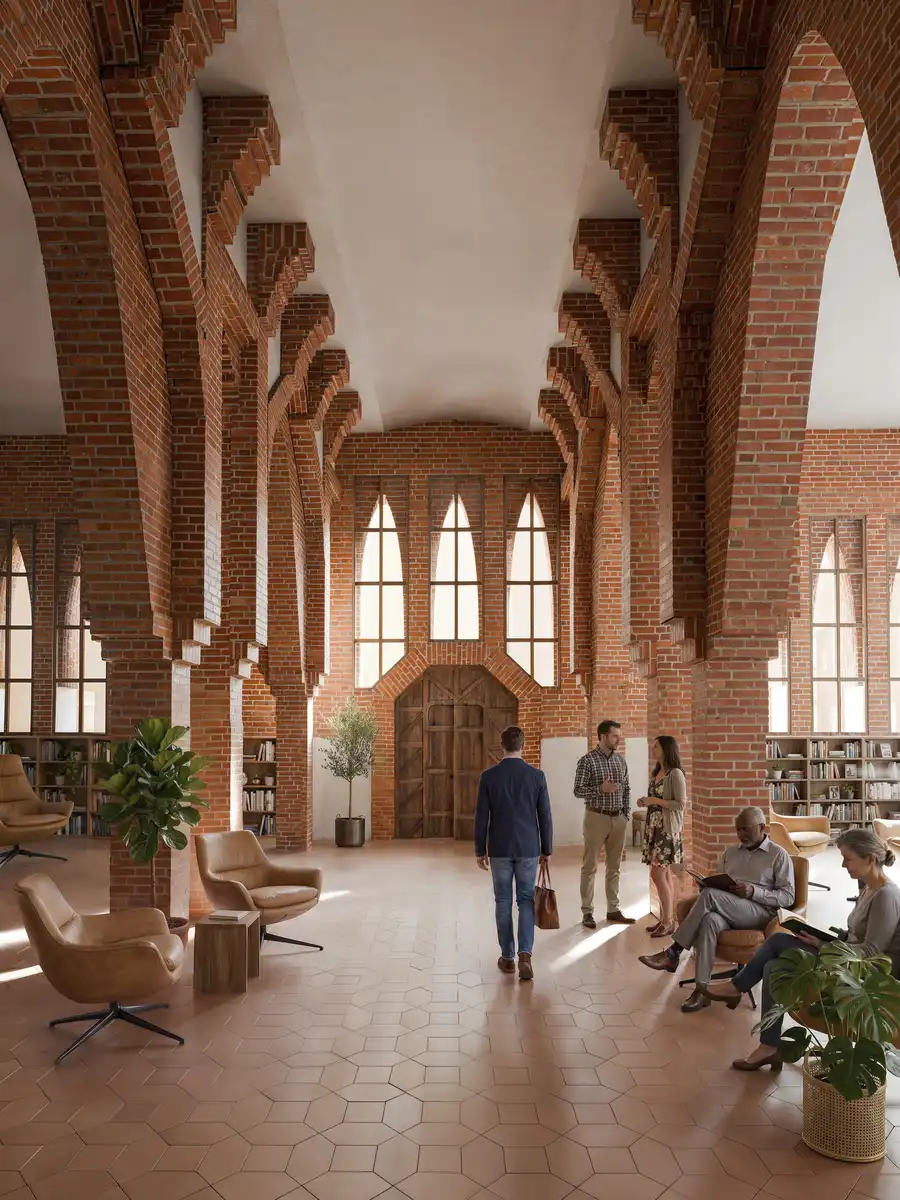
A new look at the figure of the architect
Far from presenting a conventional reading of Gaudí’s work, the new facility proposes to interpret his figure starting from the Teresianas building, a fundamental work for understanding his architectural evolution.
Built between 1888 and 1890, the building manifests an austere, functional architecture loaded with symbolism that anticipates many of the conceptual contributions he would later develop in other projects. Light, geometry, spirituality, and constructive innovation become the main protagonists here.
From this exceptional space, the visitor will be able to discover how Gaudí transformed the religious, pedagogical, and social influences of his time into an architecture at the service of its function: being a convent for the training and residence of the novices of the Teresian congregation and a school for girls.
About IngeniaCultura
IngeniaCultura is a company specialized in the conceptualization and integral development of cultural projects. Born as a spin-off of MagmaCultura, the company promotes initiatives that combine culture, innovation, technology, and social impact to create new formats for dissemination and relationship with heritage and culture.
The company’s track record includes the founding of the IDEAL Digital Arts Center, a European reference center for immersive experiences, the co-management of Barcelona XRLab in Poblenou, a space dedicated to innovation in immersive technologies and creative industries, and participation in the design and cultural product firm It Brings Art.
The IngeniaCultura team, led by Artur Duart and Imma Fondevila, is responsible for the ideation and conceptualization of the Museu Gaudí Teresianes project, defining the narrative, the visiting experience, the museographic proposal, and the cultural development strategy.
The winning team of the competition called to define the architectural proposal for the future museum was Arquitectura Genís Planelles, whose highlighted projects include the restoration of the Verdaguer Institute —the former Governor’s Palace of the Ciutadella of Barcelona— and the restoration and expansion of the modernist fish market to become the Casa de la Festa Major in Vilafranca del Penedès.
The coordination and integral supervision of its development is being carried out from the Josep Cortina studio, a firm specialized in architecture, interior design, and project management, with experience in the development and coordination of projects linked to heritage, commercial spaces, and public-use facilities.
The drafting of the Special Urbanistic Plan and urban improvement for the regulation of the facility is being handled by JornetLlopPastor Arquitectes.
Copyright (C) 2026 Materia Cultura SL. All rights reserved.
Materia Cultura SL Carrer De La Corunya 11 Barcelona, Cataluna 08026 Spain
Sagrada Familia architect: Antoni Gaudi
Museu Gaudí Teresianes Barcelona building images / information received 290526
Location: Barcelona, Catalonia, Spain.
Antoni Gaudi buildings in Barcelona
Sagrada Familia tower of Jesus Christ, Bellit Street, Caldes de Montbui
Architects: Sulkin | Marchissio

photo : Marta Vidal
Casa Batllo, Passeig de Gracia, Eixample
Casa Mila – La Pedrera, Passeig de Gracia, Eixample
Park Guell, north Barcelona
+++
Catalan Architecture
Barcelona Architectural Designs – latest buildings
Comments / photos for the Museu Gaudí Teresianes Barcelona building page welcome