Why Walkable Communities Continue to Attract New Residents
6 July 2026
People rarely wake up one morning to announce they’ve decided to become passionate about walkability. That’s not usually how it happens.
What happens is somebody spends forty minutes in traffic trying to buy three things they forgot at the grocery store. Or they realize they’ve driven their car six separate times in a single day and somehow still haven’t accomplished everything they meant to accomplish. Then a thought starts rattling around in the back of their head.
There has to be an easier way to live than this.
That’s part of why walkable communities keep attracting attention. Not because walking itself is revolutionary. The appeal is that these neighborhoods often make everyday life feel less fragmented—more connected, more human. Many people searching for a moving company Cambridge residents recommend are looking beyond the house itself and paying closer attention to how a neighborhood supports everyday life.
People move for all sorts of reasons. Increasingly, neighborhood lifestyle is one of them.
Convenience Shapes Daily Life
The thing people sometimes pretend isn’t important even though it absolutely is — convenience.
It’s not unusual for people to spend far more time talking about the neighborhood bakery than the square footage of the house itself. At first that may seem surprising, but they’re rarely talking about the bakery – they’re talking about the life they imagine living there.
That’s what convenience does.
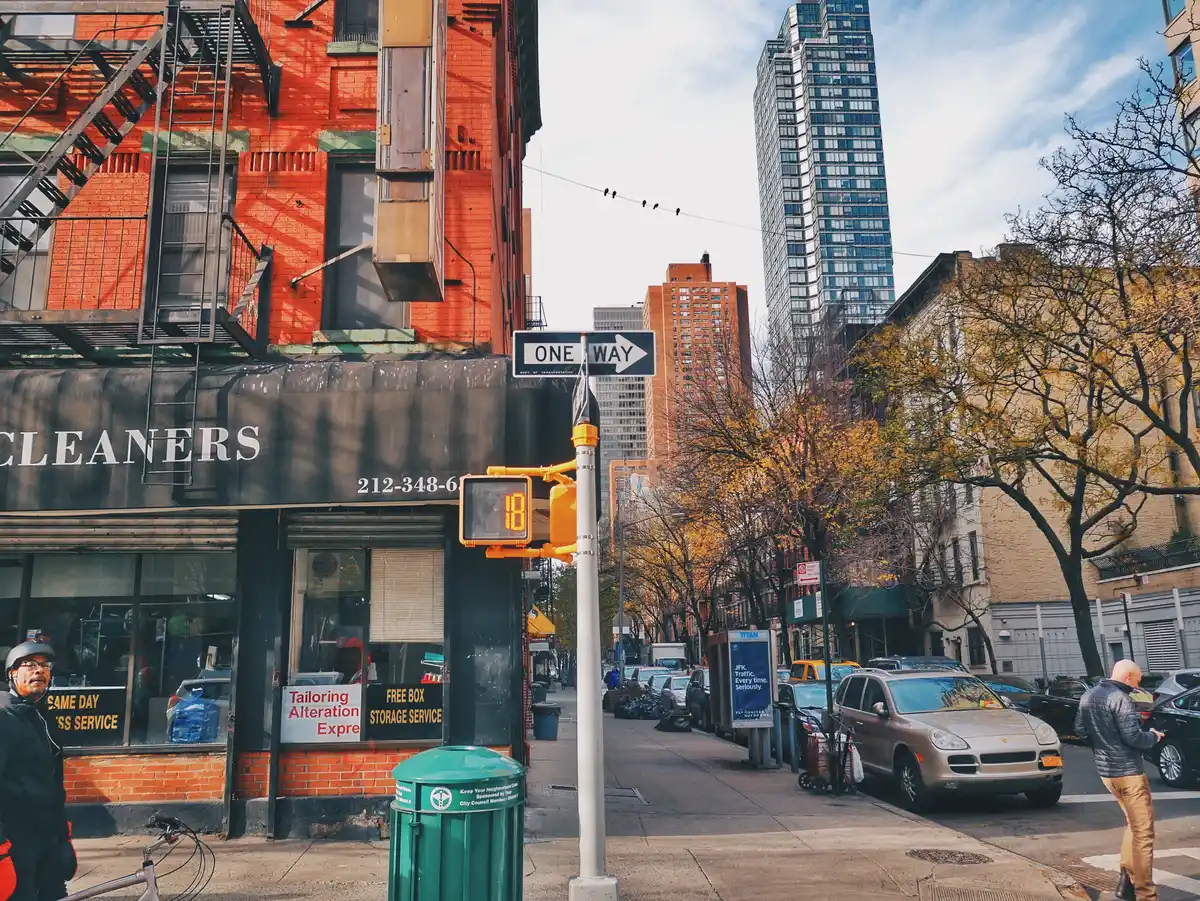
In many walkable communities, errands don’t become separate events that need planning. They fit naturally into the day. You grab coffee while walking the dog. Pick up groceries on the way home. Stop by the pharmacy because you’re already passing it.
The task doesn’t take over the afternoon. It just happens. Dining works the same way.
People often enjoy having restaurants, cafes, and local businesses nearby not because they use them constantly, but because they can. There’s a psychological difference between something being available and something requiring a twenty-minute drive. Hard to explain, easy to feel.
Services matter too. Dry cleaners. Banks. Barber shops. Hardware stores. Communities aren’t built entirely around exciting destinations — sometimes the most useful place in a neighborhood is the place that sells batteries when your smoke detector starts chirping at 2 a.m.
Walkability Encourages Community Interaction
One thing that rarely appears in property listings is how often neighbors naturally cross paths in walkable communities. People tend to see each other more when they’re outside. You run into people. Not in a dramatic movie scene kind of way. More in a “hey, I think I’ve seen that guy walking the golden retriever before” kind of way.
Those little moments add up. Local businesses become familiar. The coffee shop owner recognizes faces. The person working at the bookstore remembers what you bought last time. A restaurant server asks how your weekend went and actually knows which weekend they’re referring to.
Community planning plays a bigger role in this than many people realize. Public spaces matter, parks matter, plazas matter.
Walkability creates opportunities for casual social engagement. Not forced interaction. Nobody wants that. Just enough familiarity that a neighborhood starts feeling less anonymous.
Health and Well-Being Benefits
Many residents move more in walkable communities without consciously deciding to exercise more. They’re not training for marathons. They’re just living. Walking to lunch, walking to a store. Physical activity becomes part of daily routines rather than a separate appointment on the calendar. That can have a surprisingly positive effect on well-being.
Stress often enters the conversation too. Of course, every neighborhood has its own challenges. That’s unavoidable.
Still, many people find that spending more time outdoors and less time driving improves their day-to-day experience. Fresh air, green space, and time spent outdoors are all associated with improved well-being.
The broader point is that neighborhood lifestyle influences health in ways that go beyond gyms and fitness trackers. Sometimes the environment itself nudges people toward healthier habits without making a big speech about it.
Long-Term Appeal
One reason walkable communities continue attracting new residents is that the appeal tends to stick around. Some housing trends come and go. Walkability has proven remarkably durable.
Property desirability often remains strong because people value convenience, flexibility, and community connections regardless of what year it is.
Lifestyle flexibility matters too. A walkable neighborhood can work for different stages of life. Young professionals appreciate it, families appreciate it, many older residents appreciate it. Different reasons. Same outcome.
Future trends in community planning seem likely to keep moving in this direction as well. People increasingly want choices in how they move around, spend their time, and interact with their surroundings. Not necessarily because they dislike driving — because they like having alternatives.
Choice itself has value. More than people sometimes realize.
Final Thoughts
The popularity of walkable communities isn’t really about transportation. Or at least not only about transportation. It’s about convenience that quietly improves ordinary days. It’s about community interaction that develops naturally. It’s about health benefits that sneak in through side doors. It’s about creating a neighborhood lifestyle that feels connected rather than scattered.
The strongest examples of community planning tend to support all of those things at once. And maybe that’s why these neighborhoods continue attracting new residents year after year.
People aren’t just looking for a place to live — they’re looking for a way to live. Turns out those are related.
A walkable community can’t solve every problem. No neighborhood can. What it can do is make everyday life feel a little easier, a little richer, and a little less dependent on a car key.
Comments on this guide to Why walkable communities remain so popular to new residents article are welcome.
Property
Recently added Building posts
Why Pressure Cleaning Your Home Exterior Is Important
5 Best Window Replacement Companies in Denver
++
Building Articles
Residnetial and Commercial Architecture
Comments / photos for the permanent Why walkable communities remain so popular to residents advice guide page welcome.