The Architectural Nexus: Integrating IoT and Edge Computing Hardware in Modern Commercial Skyscraper Design
30 June 2026

The silhouette of the modern metropolis is undergoing a profound structural metamorphosis. For decades, commercial skyscraper design was evaluated through the strict prisms of civil engineering, structural load distribution and aesthetic grandiosity. However, as vertical density intensifies and corporate tenants demand hyper connected, energy efficient environments, the blueprint of the skyscraper is shifting from passive structural concrete to active, data driven computational environments.
Today, premium commercial towers are no longer just physical shelters; they are vertical data centers. The seamless orchestration of a modern skyscraper depends heavily on modern IT Hardware distributed across its vertical core. By moving away from legacy centralized cloud frameworks and embedding specialized operational technologies directly into the building fabric modern architects are leveraging Internet of Things IoT sensors and edge computing clusters to redefine structural efficiency sustainability and workspace management.
Decentralizing Computational Architecture: The Shift to Vertical Edge Networks
In early smart building frameworks data gathered from basic mechanical and electrical systems was transmitted straight to remote cloud servers or a single basement level Management System. While this centralized model sufficed for basic telemetry it introduces severe vulnerabilities when applied to a 100-story supertall skyscraper Relying on remote servers introduces critical data latency consumes massive network bandwidth and presents a single point of failure that could paralyze vital building automation systems during a network outage.
Modern skyscraper design solves this bottleneck by turning the building’s vertical layout into a localized edge computing network Instead of routing millions of data points per second down to the basement or out to an external cloud provider, physical micro data centers are strategically installed every 10 to 15 floors within mechanical rooms.
This architectural restructuring distributes the processing load across localized IT Hardware nodes offering multiple benefits
- Near Zero Latency: Critical decisions such as micro adjustments to structural dampers during high wind events or automated fire containment routing happen in real time within milliseconds.
- Bandwidth Efficiency: High volume raw data streams such as raw feeds from ultra HD security cameras or vibration sensors are processed locally. Only filtered high level operational summaries are uploaded to the main corporate cloud.
- Operational Survivability: If external internet connectivity is severed, the skyscraper’s decentralized edge nodes continue to function independently keeping local operations completely uninterrupted.
Structural Dynamics & Smart IoT Sensor Frameworks
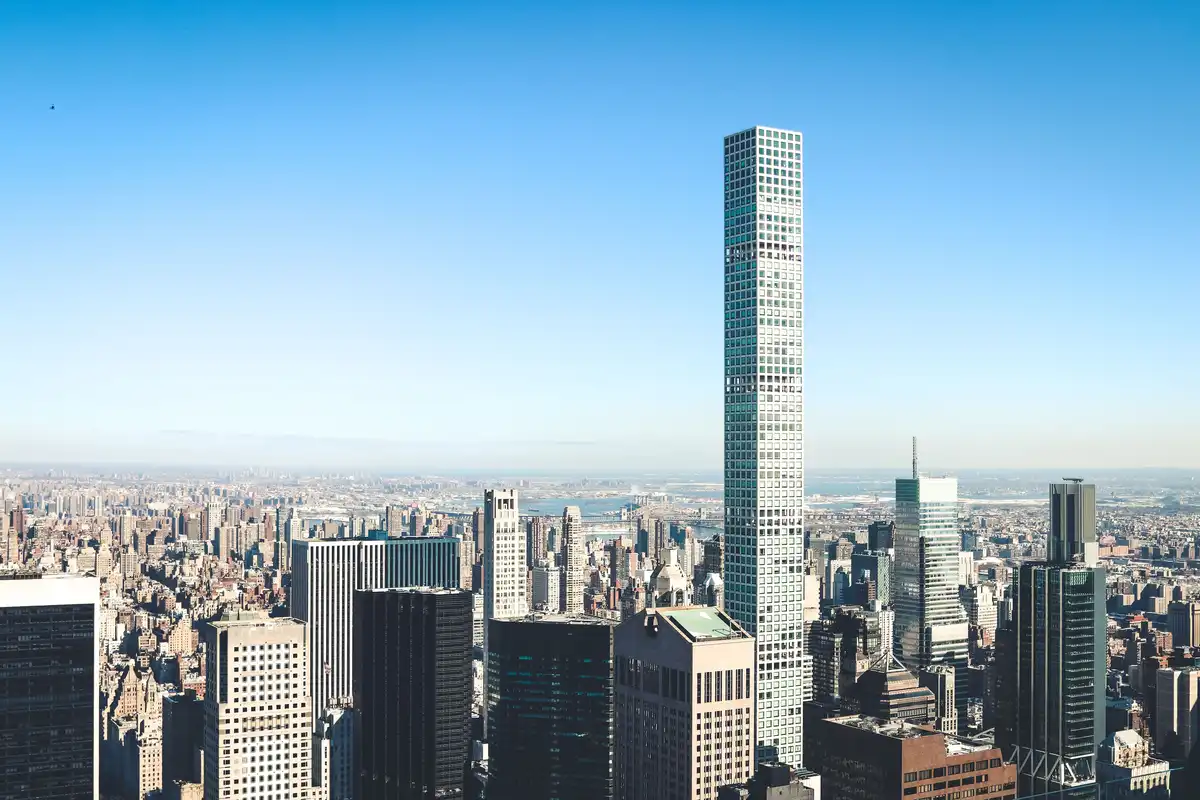
The structural integrity of modern supertall buildings relies on a complex web of environmental monitoring systems. As a skyscraper extends higher into the atmosphere it faces intense dynamic forces including wind shears thermal expansion and seismic vibrations. To manage these elements safely modern architects integrate structural IoT sensor grids directly into the core concrete columns steel outriggers and curtain walls.
These specialized IoT sensors act as the buildings nervous system constantly tracking minute changes in structural behavior
- Fiber Optic Strain Gauges: Embedded deep within load bearing concrete elements to measure real time tension compression and mechanical stress.
- Digital Accelerometers: Installed at the highest habitable zone to track lateral sway and acceleration caused by high altitude wind currents
- Thermal Sensors: Placed along the perimeter glass panels to monitor the temperature differences between the sun exposed exterior shell and the climate controlled interior.
The massive stream of metrics produced by these sensors requires immediate processing. Floor level edge computing hardware continuously parses this telemetry. If the top floor sways beyond an exact safety threshold during a storm the localized edge node instantly commands the buildings Tuned Mass Damper TMD a massive internal counterweight suspended near the roof to adjust its hydraulic resistance. This automated response neutralizes sway before the occupants can even feel it completely removing the lag of external cloud processing.
High Velocity Data Infrastructure and Edge Storage
Processing data at the edge is only half the battle the localized systems must also manage data retention safely. Because an autonomous corporate skyscraper generates several terabytes of operational telemetry every single day selecting and deploying the right storage architecture is vital. Every edge micro node relies on specialized industrial grade Storage Device setups to handle continuous write heavy workloads without failing.
Real Time Local Data Triage
To balance performance and hardware longevity the edge framework divides incoming data into three functional tiers:
- Transient Cache Data: High frequency volatile data points like second by second room occupancy or airflow fluctuations are temporarily buffered on high speed solid state drives SSDs. This data is analyzed immediately and cleared within a rolling 24 hour window once operational trends are established.
- Critical Operational Data: System logs governing life safety, access control systems and structural integrity are saved locally to redundant shock resistant storage arrays. This ensures that even during a complete power loss or system failure critical logs remain intact for forensic assessment.
- Archival Trend Telemetry: Broad environmental records and energy usage metrics are consolidated, compressed and scheduled for off peak synchronization with the buildings central repository or cloud database.
By decoupling the immediate local storage requirement from long term cloud archives, the building avoids local network congestion while preserving full analytical capabilities.
Intelligent HVAC Optimization and Predictive Environmental Tuning
Heating, ventilation and air conditioning HVAC systems represent the single largest operational expense and energy consumer in any major commercial tower. Traditional automated buildings operate on rigid pre programmed schedules, maintaining uniform temperatures regardless of actual occupancy or real time outdoor weather changes.
IoT and edge infrastructure transform this old approach into an active, predictive thermodynamic model. By pairing internal air quality sensors with external predictive weather stations the skyscraper’s environmental controls adapt on the fly
- Occupancy Driven Ventilation: Real time carbon dioxide CO2 and occupancy sensors detect the exact volume of people inside individual conference rooms or open layouts. The local edge node processes this data locally and immediately instructs variable air volume (VAV) boxes to optimize airflow saving energy in empty zones.
- Predictive Thermal Tuning: Rather than waiting for the sun to heat up the western face of the skyscraper in the afternoon floor level edge computing units look at solar position charts and real time external thermal sensors The building proactively adjusts chilled water loops and shades the glass panels before the thermal load builds up flattening peak energy spikes.
Security, Life Safety and Autonomous Incident Management
Beyond energy efficiency and structural tracking, the fusion of IoT and edge tier hardware introduces unparalleled advancements in commercial property security and emergency response protocols Legacy building security system rely on a siloed model where CCTV feeds and access badges are monitored manually by human operators from a central security desk.
Modern vertical architecture integrates video analytics directly at the edge framework:
| System Layer | Core Component | Tactical Function |
| Data Acquisition | Edge AI Security Cameras | Executes real time facial recognition, object detection and spatial flow mapping directly on the camera chip. |
| Processing Node | Distributed Floor Servers | Consolidates multi floor access logs and camera alerts to catch security breaches instantly without cloud latency. |
| Localized Storage | Redundant SSD Arrays | Keeps continuous video records secure on site, preventing data loss from external network cutoffs. |
During an emergency, such as an isolated electrical fire on the 45th floor, the localized edge network takes full autonomous command. The system immediately flags the exact location via smoke IoT sensors overrides regional access control gates to clear evacuation routes, maps the safest stairwells based on real time visibility cameras and projects dynamic LED directional paths on floors to guide occupants safely away from danger. This localized autonomy saves critical minutes when waiting for human response or external cloud commands could lead to tragedy.
Future Outlook: Cognitive Skyscraper Blueprints
As computational hardware continues to shrink and processing efficiency climbs, the integration between computing and structural design will become even deeper. Future skyscraper designs will likely move toward a fully cognitive model where individual structural elements feature embedded computing capabilities. We are moving toward a future where smart concrete panels, smart window assemblies and modular plumbing systems will feature native micro sensors and micro controllers.
For architects, master developers and technology managers the takeaway is clear: the success of tomorrows iconic commercial towers depends as much on internal digital infrastructure as it does on outward visual design. Embracing a decentralized layout powered by robust IT Hardware and smart local Storage Device solutions transforms modern skyscrapers from rigid vertical structures into highly adaptable living corporate ecosystems.
Comments on this guide to Integrating IoT and edge computing hardware article are welcome.
Building Articles
Architecture
++
Building Concrete
Concrete Posts
New vaulted style of floor cuts concrete usage
Benefits of Concrete in Construction
How Investing in Precast Concrete Can Benefit Your Business
Comments / photos for the The Architectural Nexus: Integrating IoT and Edge Computing Hardware in Modern Commercial Skyscraper Design page welcome.