
The Interior Design Costs Nobody Tells You About Before You Buy a Large Home
5 July 2026
Large home interior costs are consistently underestimated across every market. Whether you are working through a 5 bedroom brief in the US, a large apartment in Europe, or looking at a 5 bhk interior design cost breakdown in South Asia, the blind spots are the same everywhere. Buyers walk into their first design conversation with a per square foot number in their head and walk out of the project having spent significantly more. This post is about the gap between those two numbers and where it comes from.
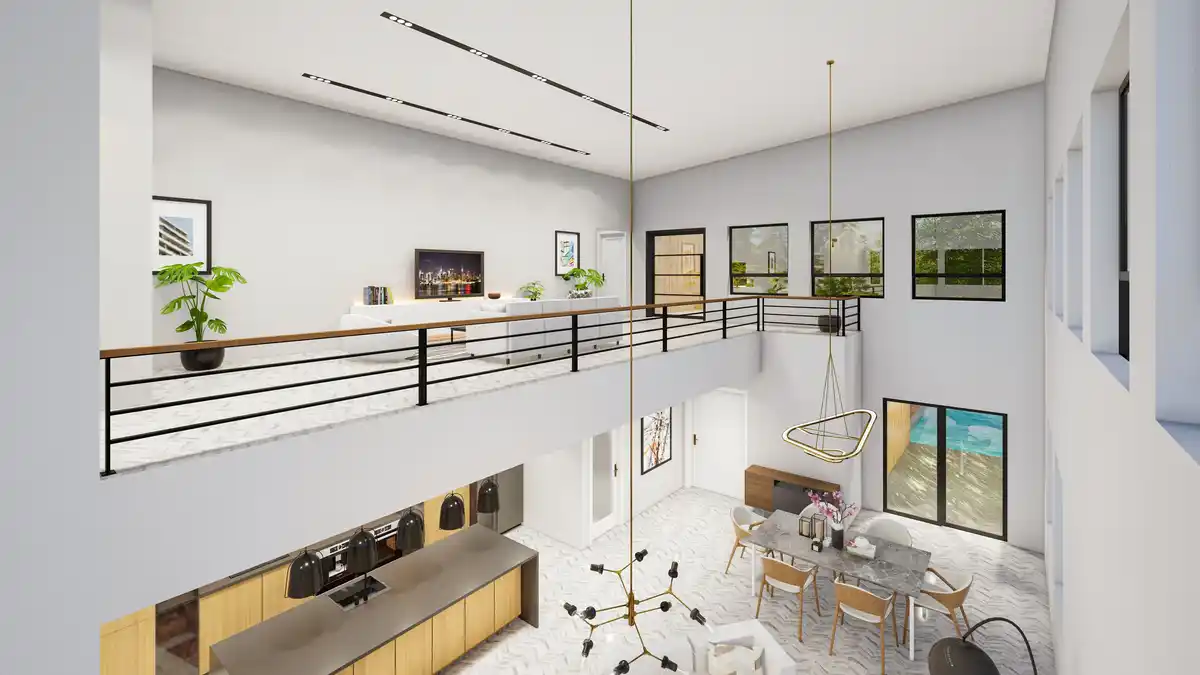
The Gap Between Execution Cost and Total Project Cost
The number a designer quotes you at the first meeting is almost always the execution cost. Furniture, false ceiling, electrical work, wall paint, cabinetry. That is the scope they are responsible for, and that is what the per square foot rate covers.
What it does not cover is the full picture.
Add consultancy fees, which most established designers charge as a separate line item based on carpet area. Add 3D design and rendering fees if you want to visualise the space before execution begins. Add GST or applicable taxes on top of both. By the time these are factored in, the total project cost on a large home can run 15 to 20 percent higher than the execution quote alone. On a significant budget, that gap is not a rounding error.
The best way to protect yourself is to ask for a complete cost breakup at the first meeting, execution cost, consultancy fee, design fee, and taxes all listed separately. If the designer cannot provide this upfront, build a 20 percent buffer into whatever number they give you.
Appliances and Electronics: The Biggest Blind Spot
This is the category that catches large home buyers most off guard, primarily because it does not feel like an interior design expense.
Most interior design quotes exclude appliances entirely. No TV, no refrigerator, no washing machine, no ACs, no chimney, no dishwasher, no geysers. Designers exclude them because appliance choices are brand and size dependent, and most clients prefer to buy these separately or closer to move-in.
The problem is that in a large home, the appliance budget is substantial. You are not buying one AC, you are buying five or six across bedrooms and living areas. You are not buying one TV, you are buying multiple across the living room, family lounge, and bedrooms. A refrigerator, washing machine, dryer, chimney, hob, microwave, dishwasher, and multiple geysers all need to be purchased and installed.
In aggregate, this can add anywhere from 20 to 45 percent on top of the interior execution cost, depending on the brands chosen and the number of rooms. Budget for it upfront rather than treating it as a separate purchase decision to be made later.
Flooring and Bathroom Fittings
These two categories together can equal 20 to 30 percent of the furniture budget, and both are almost always excluded from the initial interior design quote.
Flooring is excluded because tile and stone selection typically happens later in the project, and the cost varies significantly by material. Vitrified tiles, natural stone, hardwood, and engineered wood all sit at very different price points. A large home with 2000 to 3000 square feet of floor area will have a meaningful flooring budget regardless of which material is chosen.
Bathroom fittings follow the same logic. A large home with five or six bathrooms means five or six sets of sanitary ware, faucets, shower systems, mirrors, and accessories. Premium fittings per bathroom can add up quickly when multiplied across that many bathrooms.
Ask your designer to provide a separate estimate for flooring and bathrooms at the briefing stage. Most can give you a range even if the final selection happens later.
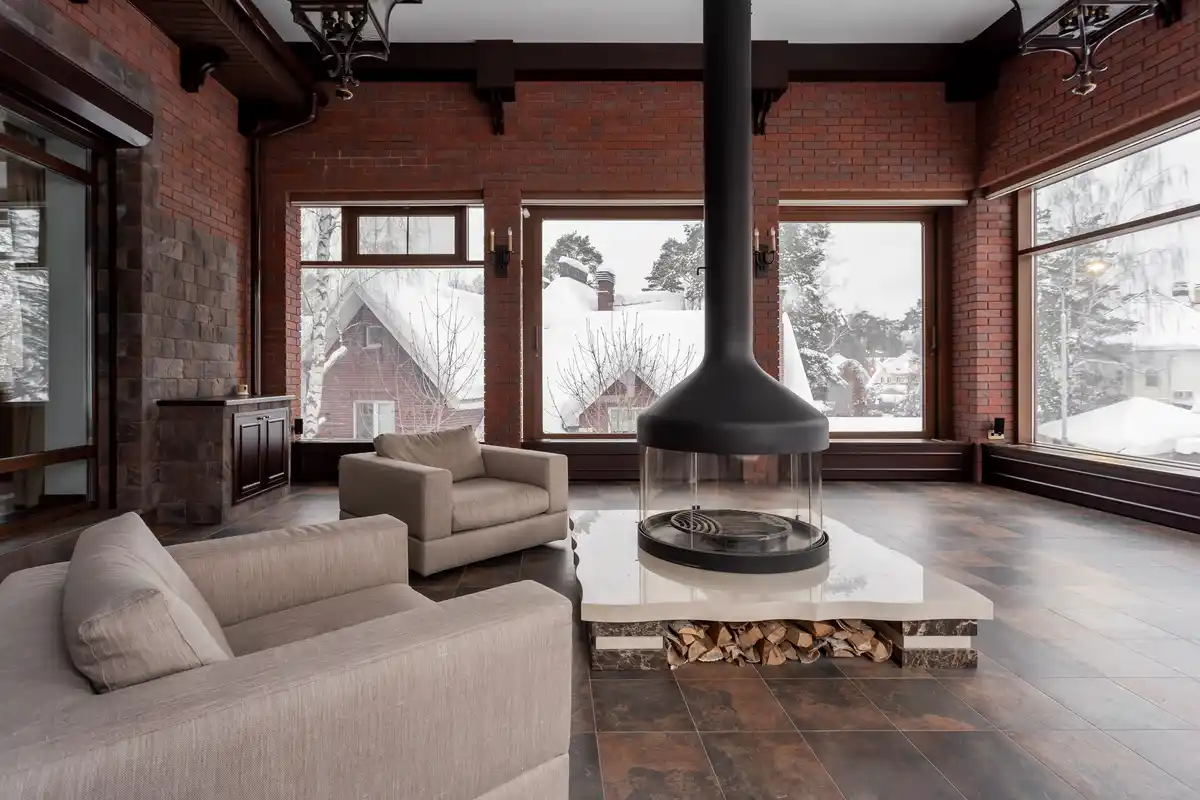
Special Rooms Nobody Budgets For
At large home scale, certain rooms that were optional at 3 or 4 bedroom size become near-standard asks. A home office, a dedicated puja or prayer room, a home theatre, a gym, a guest suite with its own living area. Each of these is effectively a mini project with its own furniture, lighting, electrical, and finishing requirements.
The mistake most buyers make is folding these into the general interior budget without allocating a separate line item. A proper home office with built-in storage, task lighting, and acoustic considerations does not cost the same as adding a desk to a bedroom corner. A home theatre with projection, blackout, and seating is its own project entirely.
Budget each special room separately before your design brief is finalised. If a home theatre is on your list, get a standalone quote for it. The same applies to a gym or a dedicated office. These are decisions that affect your electrical layout, false ceiling design, and room allocation, and they cannot be an afterthought once execution has begun.
Joint Family and Multi-Kitchen Costs
This is specific to large homes and consistently underestimated. Many large home buyers are joint families, two generations or two family units sharing one address. That changes the brief significantly.
A joint family home often needs separate wings with independent living areas, sometimes separate entries, and almost always more than one kitchen. The assumption most buyers carry into the project is that a second kitchen costs a fraction of the first one. In practice, a second modular kitchen with its own appliances, electrical points, plumbing connections, and cabinetry carries close to the same cost as the primary kitchen. It is not a small add-on.
If your brief includes a second kitchen or a separate living wing, make sure this is explicitly scoped in your design quote and not assumed to be covered under the general per square foot rate.
The Villa vs Apartment Cost Difference
This applies globally. Buyers comparing a large apartment and a villa of similar size often assume the interior cost will be similar. In practice, a villa interior costs more at the same carpet area, and the reasons are structural.
A villa has a staircase, which is a significant carpentry and finishing cost on its own. It has an external elevation that may need design attention. It often has a garden or outdoor area requiring landscaping. It runs across multiple floors, which means multiple electrical distribution points, separate plumbing runs per floor, and more door and hardware units than a single-floor apartment.
None of these costs appear in a standard apartment interior estimate, and all of them add up. If you are comparing quotes for a villa and an apartment brief, they should not be evaluated on the same per square foot rate.
How to Build a Complete Budget Before You Start
Before your first design meeting, build your budget across these seven categories rather than waiting for a quote to arrive:
Execution cost. Furniture, false ceiling, electrical, paint, cabinetry. This is what the per square foot rate covers.
Consultancy and design fees. Ask your designer upfront. Typically charged per square foot on carpet area, plus a separate 3D design fee.
Taxes. GST in India, VAT in other markets. Apply it to both execution and consultancy.
Appliances and electronics. ACs, TVs, refrigerator, washing machine, chimney, geysers, dishwasher. Budget per unit and multiply across rooms.
Flooring. Full home carpet area multiplied by your chosen material rate.
Bathrooms. Fittings, sanitary ware, and accessories across every bathroom.
Special rooms. Home office, theatre, gym, prayer room. Each as a standalone line item.
Add all seven and that is your realistic total outlay. The execution quote is only the first of these seven categories. Walking into a design project with only that number in your head is how budgets get surprised halfway through execution.
Final Thought
The per square foot number is a starting point, not a complete answer. A large home interior project has seven distinct cost categories, and most first conversations only cover one of them. Build the full picture before you brief a designer, and you will be in a far stronger position to make decisions without financial surprises later in the project.
Comments on this guide to Large home interior design costs article are welcome.
Home Furniture
Home Furniture Design
How high-quality furniture adds property value
Home built-in furniture design

++
Property Articles
Residential Architecture
Comments / photos for the Large home interior design costs advice page welcome.


