
Interior Design Basics Every Homeowner Should Understand Before Redesigning
January 27, 2026
Before starting any redesign project, it is important for homeowners to understand the basics of interior design. Many people focus only on decoration and overlook important factors such as layout, lighting, and functionality. Interior design is about creating spaces that support daily routines while maintaining a pleasing appearance. Understanding these basics helps homeowners make better decisions throughout the redesign process.
Learning interior design fundamentals also prevents costly mistakes. When homeowners know how space planning, color selection, and furniture sizing work together, they can communicate more effectively with professionals. This knowledge leads to smoother projects, better results, and homes that feel comfortable and well-organized rather than cluttered or confusing.

Why Interior Design Matters for Modern Homes
Interior design plays a major role in how comfortable and functional a home feels. It is not only about making a space look attractive but also about ensuring it supports daily routines. A well-designed home allows people to move easily, relax properly, and use each area efficiently. When design is planned thoughtfully, rooms feel balanced instead of crowded or empty. This balance helps homeowners enjoy their living space without feeling stressed or overwhelmed.
Another important reason interior design matters is its impact on long-term value. Homes with good interior planning often age better than poorly designed spaces. When layouts are practical and styles are timeless, fewer updates are needed over time. Good interior design also helps maintain consistency throughout the home, which creates a sense of harmony. This makes the living environment more enjoyable for families and guests alike.
How Interior Design Affects Daily Living
Interior design directly influences how people feel and behave inside a home. Proper lighting, for example, can improve mood and energy levels. Natural light makes spaces feel open and refreshing, while good artificial lighting supports tasks like reading or cooking. Furniture placement also affects comfort, as poorly arranged furniture can block movement and create frustration during daily activities.
Design choices such as color selection and material use also play a psychological role. Soft colors can promote relaxation, while brighter tones can energize a room. When design elements are chosen with intention, the home becomes a place of comfort and balance. These small yet thoughtful details make everyday living more pleasant.
Design Trends That Influence Today’s Homes
Modern homes often focus on simplicity, comfort, and flexibility. Open layouts are popular because they allow better flow between rooms and improve social interaction. Natural materials such as wood and stone are widely used to create warm and inviting interiors. These trends support a calm and functional lifestyle.
Another growing trend is multi-purpose spaces. Home offices, reading corners, and flexible living areas are becoming common. Interior designers adapt spaces to meet changing needs without sacrificing style. These trends show how thoughtful design responds to modern living demands.
Skills That Define a Professional Interior Designer
A professional interior designer combines creativity with technical knowledge. They understand how to balance aesthetics and function in every project. This requires strong planning skills, attention to detail, and problem-solving ability. Designers assess spaces carefully before creating layouts that work for the client’s lifestyle.
Communication is another essential skill. Designers must understand client preferences and translate them into practical design solutions. This collaboration ensures the final result meets expectations and feels personalized. A Sacramento Interior Designer uses these skills to deliver spaces that feel both beautiful and usable.
Space Planning and Color Understanding
Space planning is one of the most important skills in interior design. Designers measure rooms and plan layouts that maximize available space. They ensure furniture fits properly and leaves enough room for movement. This careful planning prevents overcrowding and improves comfort.
Color understanding is equally important. Designers know how colors interact with light and space. They select palettes that enhance room size and mood. This knowledge helps create cohesive and visually pleasing interiors.
Material Selection and Sustainability
Material selection affects durability and maintenance. Designers choose materials that suit the space and lifestyle of the homeowner. For example, high-traffic areas require durable flooring and easy-to-clean surfaces.
Sustainability is also becoming a key focus. Designers often recommend eco-friendly materials that reduce environmental impact. These choices support long-term use and healthier living environments.
Common Interior Design Mistakes Homeowners Make
Many homeowners make design mistakes due to lack of planning. One common issue is choosing furniture before understanding room layout. This leads to poor fit and awkward spaces. Another mistake is following trends without considering practicality or longevity.
Lighting is often overlooked as well. Poor lighting can make even a well-decorated room feel uncomfortable. These mistakes can be avoided with professional guidance and proper planning.
Poor Furniture Placement and Lighting Choices
Incorrect furniture placement blocks movement and reduces comfort. Large furniture in small rooms makes spaces feel cramped. Designers ensure proper scale and spacing to maintain balance.
Lighting mistakes include relying on a single light source. Layered lighting improves both function and atmosphere. Designers plan lighting carefully to support different activities.
Choosing Style Over Function
Style without function leads to frustration. Beautiful spaces that lack storage or comfort quickly become impractical. Designers prioritize usability while maintaining visual appeal.
This balanced approach ensures spaces remain functional long after the design is completed.
How Interior Designers Provide Effective Solutions
Interior designers solve problems through structured planning. They analyze needs, develop concepts, and execute designs carefully. This process ensures every decision serves a purpose.
Designers also manage details that homeowners may overlook. Their guidance prevents costly errors and ensures consistency throughout the project.
Personalized Design Planning
Design planning begins with understanding client needs. Designers ask questions about lifestyle, preferences, and goals. This information shapes the design direction.
Personalized planning results in spaces that feel unique and meaningful. It ensures the design truly reflects the homeowner.
Managing Projects from Start to Finish
Designers coordinate with contractors and suppliers. They oversee timelines and quality control. This reduces stress for homeowners.
Professional management ensures smooth execution and high-quality results.
Why Interior Design Is a Valuable Investment
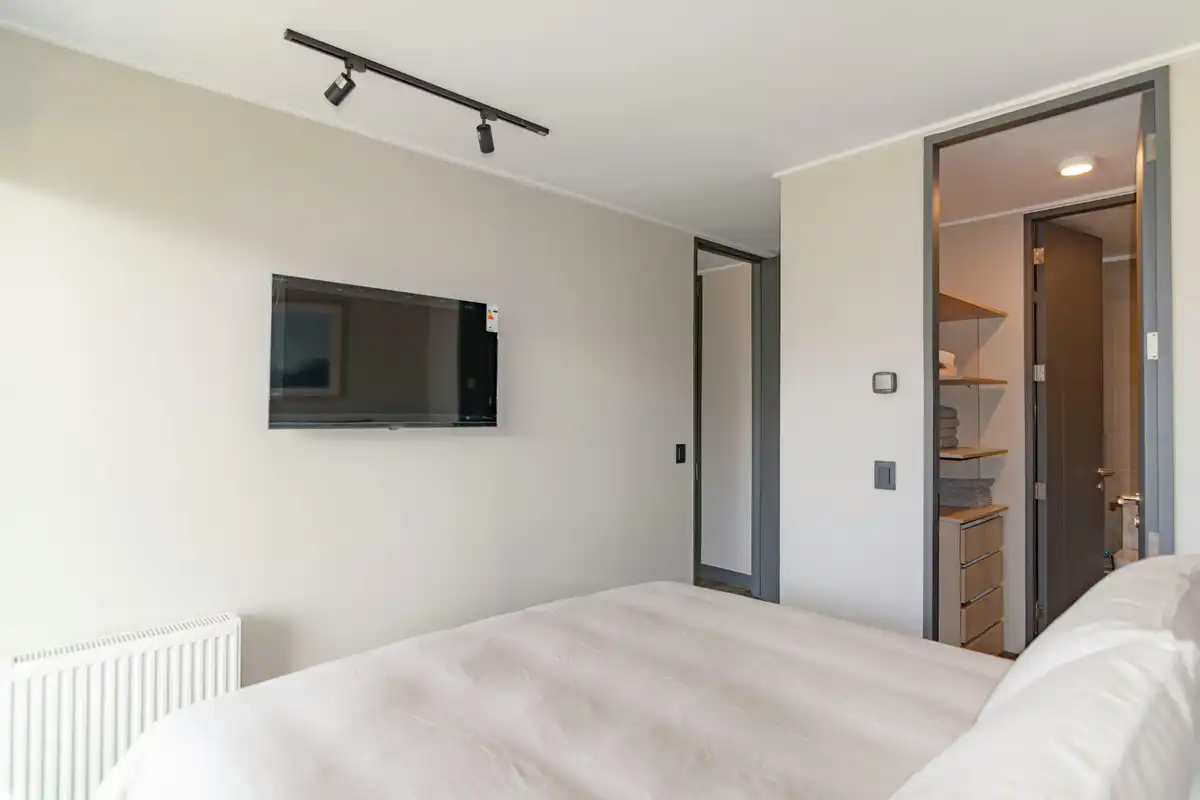
Interior design improves comfort, efficiency, and appearance. Well-designed homes require fewer changes over time. This saves money in the long run.
Working with a Sacramento Interior Designer helps homeowners achieve lasting value and satisfaction. Good design enhances both lifestyle and property appeal.
Comments on this guide to Interior design basics every homeowner should know article are welcome.
Property Design
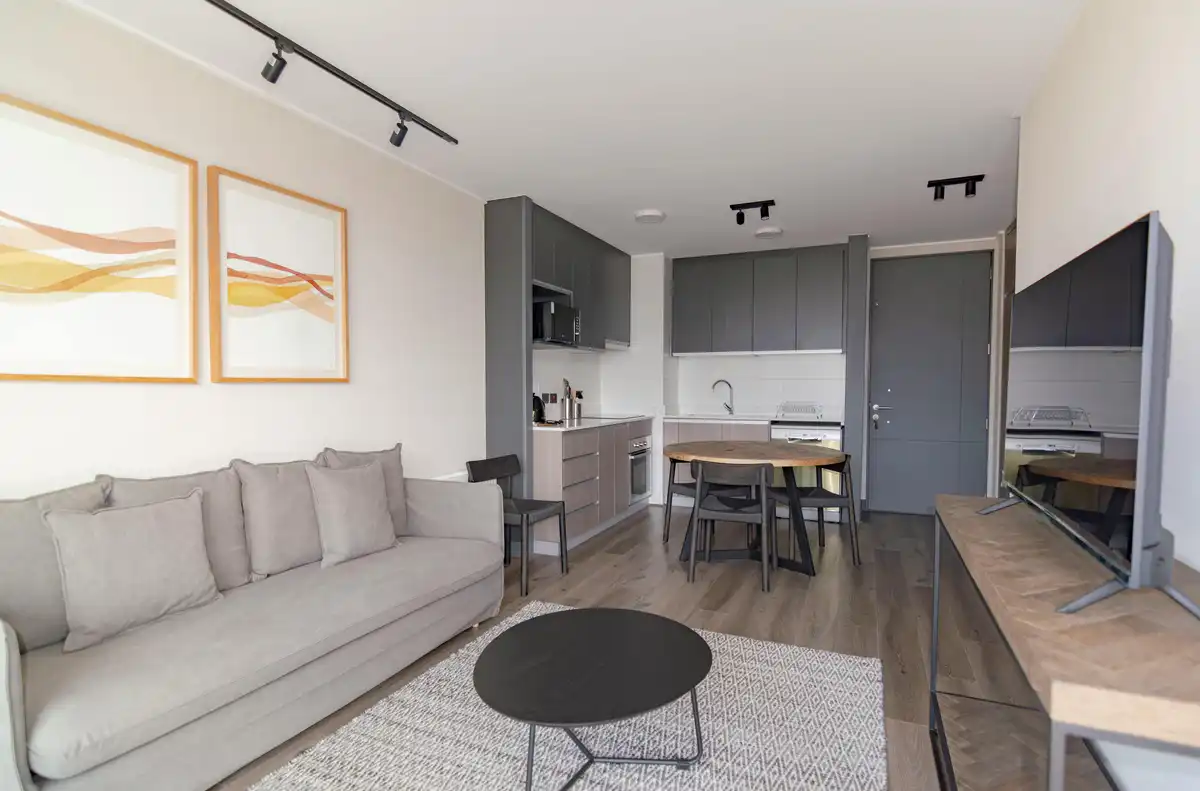
Contemporary Property Designs – recent architectural selection:
++
Architectural Designs
Building Designs – architectural selection below:
Miami Architecture Designs – chronological list
Comments / photos for the Interior Design Basics Every Homeowner Should Understand Before Redesigning page welcome.


