How to Choose the Right Contractor for an Industrial Construction Project
16 July 2026
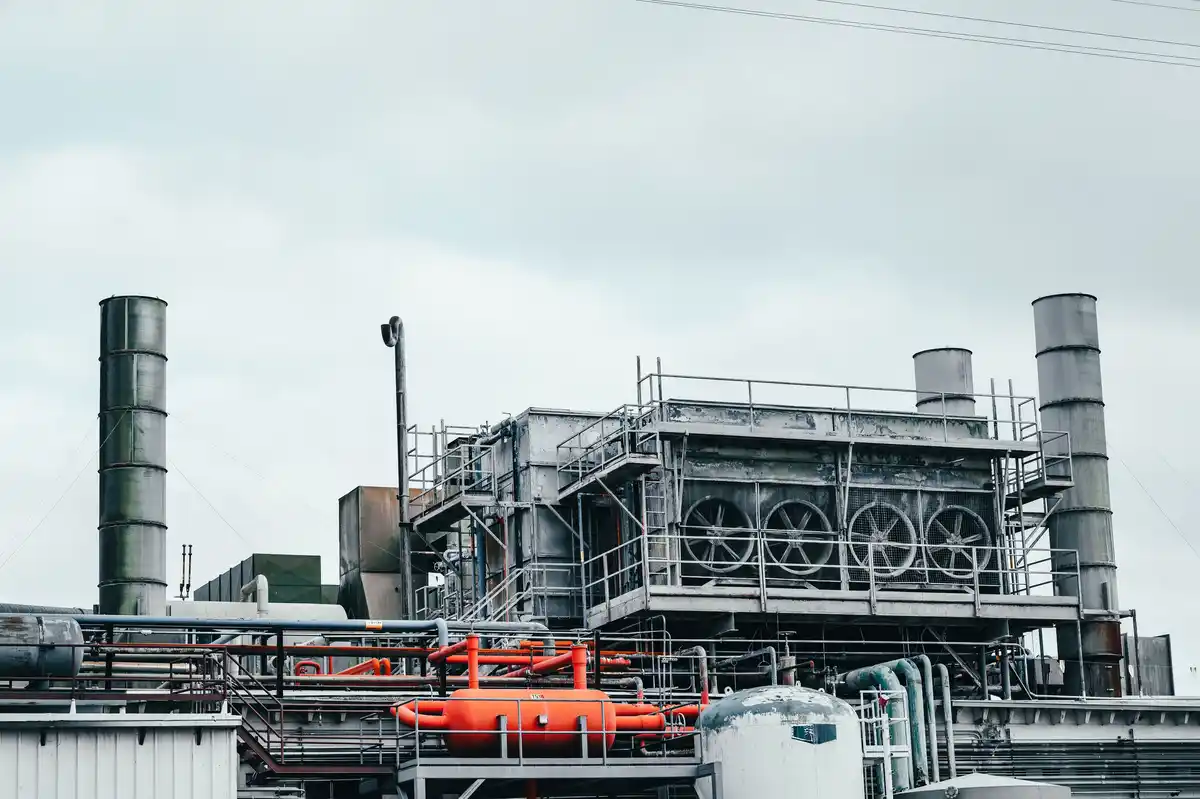
Industrial construction exposes weak contractor selection faster than most building work. A missed coordination point can interrupt production. Poor planning around a utility tie-in can affect an entire facility. Once field work begins, correcting those mistakes is far more expensive than asking harder questions during procurement.
For some owners, an industrial design-build contractor offers a practical route because design responsibility and construction delivery are under a single contract. That structure can shorten communication lines, but it does not guarantee a capable team. The owner still needs evidence that the firm can translate process requirements into safe, buildable work.
Price remains important, although the lowest proposal can conceal gaps that appear later as change orders or schedule pressure. Selection should reveal how the contractor thinks before the contract is signed. Its approach to uncertainty is usually more informative than a polished portfolio.
Define the Operating Reality Before Procurement
Industrial projects are shaped by what must keep running during construction. New work may connect to an active production line or depend on a short shutdown window. Even a greenfield facility has process requirements that influence structural design long before equipment arrives.
Before issuing an RFQ, the owner should describe the conditions that will control delivery. Production restrictions need to be sufficiently detailed for bidders to plan around them. Available utility capacity also needs confirmation. If the contractor receives a vague scope, each bidder will make different assumptions, and the prices will not represent the same project.
Clear performance criteria improve the selection interview. Ask each team to explain how it would plan a difficult connection to existing operations. Strong candidates will discuss the information they need before proposing a method. Weak candidates tend to jump directly to a confident answer without testing the premise.
Compare Experience at the Level of Project Risk
Project size is an easy comparison, but it can be misleading. A contractor may have completed a large warehouse and still lack experience with controlled environments or live-process work. Similar square footage says little about the demands placed on the field team.
Look for past projects that resemble the operational risk of the proposed facility. Experience inside an occupied plant carries value when production cannot stop. Prior work with heavy process equipment is more relevant when foundations must meet strict vibration criteria. Similarity should reflect the work itself rather than the photograph on the proposal cover.
References become useful when the conversation moves beyond general satisfaction. Ask how the contractor handled incomplete design information. Find out what happened when the schedule came under pressure. Former clients can also explain how quickly the firm closed unresolved items after substantial completion. Those answers reveal habits that a standard reference letter will never show.
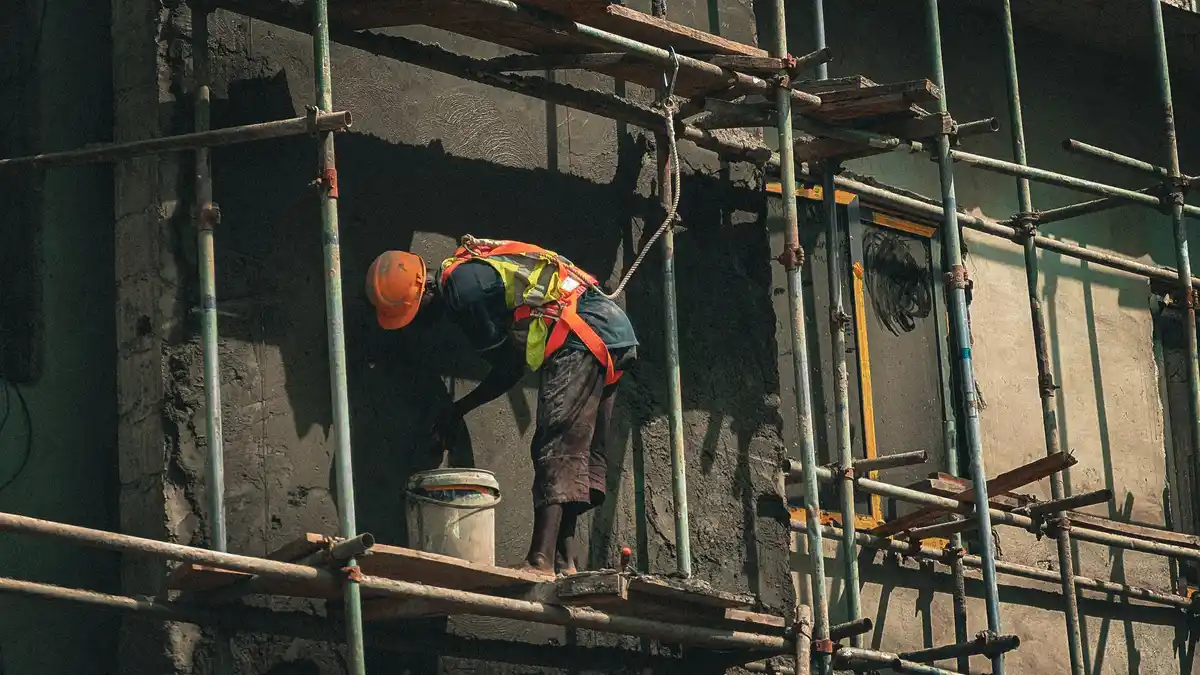
Interview the People Who Will Deliver the Work
Proposal teams are usually polished because winning work is their job. Once the contract is awarded, some of those people may have little contact with the project. The owner needs access to the individuals who will control field decisions.
Ask the proposed project manager to discuss a recent industrial assignment in detail. Listen for ownership rather than rehearsed language. A capable manager can explain where the original plan failed and how the team recovered without blaming every difficulty on the owner.
The superintendent deserves equal attention because daily coordination depends heavily on that role. Availability should be confirmed before award, especially when the contractor is pursuing several projects at once. A strong résumé has limited value when the named person will remain committed elsewhere during the early months of construction.
Key trade partners can influence the result as much as the prime contractor. Their involvement during preconstruction may improve constructability around specialized systems. The interview should establish which firms are already part of the proposed team and how much prior experience they have.
Read the Estimate and Schedule as One Story
Low bids often carry assumptions that have not been tested. A proposal may exclude temporary services that the site will clearly require. Another may rely on owner-furnished information that does not yet exist. Those gaps can make one price appear competitive without reducing the eventual cost.
A useful estimate shows how the contractor interpreted the scope. Assumptions should be visible enough for the owner to challenge them before award. Contingency also needs an explanation. A single percentage buried in the total provides less insight than a clear discussion of the uncertainty behind it.
Industrial schedules expose the quality of preconstruction thinking. Equipment delivery dates need to connect with the foundations and the building enclosure. Shutdown work should have sufficient preparation to avoid using the outage as an investigative period. If the schedule shows milestones without credible logic between them, the dates offer little protection.
During selection, choose one schedule activity and ask the team to explain what could prevent it from starting. The response should account for design release and procurement readiness. It should also show who is responsible for removing each constraint. That discussion reveals far more than a promise to “work collaboratively.”
Examine Safety as a Management System
Historical incident data provides context, but numbers alone do not show how a contractor manages field risk. A favorable rate can reflect past performance without proving that the proposed team will control hazards on this site.
Ask how safety planning is incorporated into the work before crews arrive. In an operating facility, the contractor may need to align its procedures with the owner’s permit system. The proposed approach should also demonstrate how subcontractors are held to the same standard.
A scenario-based discussion is often revealing. Present a change that forces work into an active area and ask how the contractor would respond. Strong teams pause long enough to reassess the plan. They do not treat safety review as paperwork completed after the construction decision has already been made.
Quality control should receive similar scrutiny. Inspection plans need to identify the points where work can no longer be checked after the next operation begins. For embedded items or underground systems, delayed review can turn a small defect into destructive rework.
Choose for Startup, Not Only Construction
Construction completion is not the owner’s finish line. Industrial facilities still need systems that operate under load and equipment that performs within the required range. A contractor focused only on physical installation may leave the operating team to resolve problems during startup.
Turnover planning should begin while the project is still being selected. Ask how commissioning requirements will influence procurement and installation. Clarify who will coordinate vendor representatives before startup dates become urgent. Training also needs a defined audience and enough time for the owner’s staff to use the equipment under realistic conditions.
Project information requires the same early attention. As-built records lose value when updates are reconstructed months after the work occurred. The contract should define how field changes will be captured while the information is still current. Asset data can then reach the owner in a form that supports operations instead of arriving as a collection of poorly labeled files.
Commercial terms should reinforce this finish. Retainage and closeout requirements need enough force to keep the contractor engaged after substantial completion. Open issues should have named owners and agreed-upon deadlines. Otherwise, the project team can dissolve while the facility staff is still waiting for usable documentation.

Comments on this guide to How to choose right contractor for industrial construction article are welcome.
Construction
Recently added Building posts
Top 5 Fire Damage Restoration Companies in NYC
Why modern architects prefer minimalist carpets
Building water pumps and emergency plumbing services
++
Building Articles
Residential Architecture
Comments / photos for the How to choose right contractor for industrial construction advice page welcome.