Glass vs. Porcelain Pool Tile: The Complete Buyer’s Guide (Cost, Durability & How to Choose)
22 July 2026
Choosing tile for a swimming pool is not the same as choosing tile for a kitchen floor. Pool tile sits in standing water, gets hit with chlorine or salt-system chemicals every day, expands and contracts through seasonal temperature swings, and has to stay slip-resistant and fade-resistant for years with almost no maintenance beyond a weekly brush. Get the material wrong, and you’re looking at chalky finishes, calcium staining, or a full re-tile within a decade. Get it right, and the tile becomes one of the lowest-maintenance, longest-lasting parts of the entire pool.
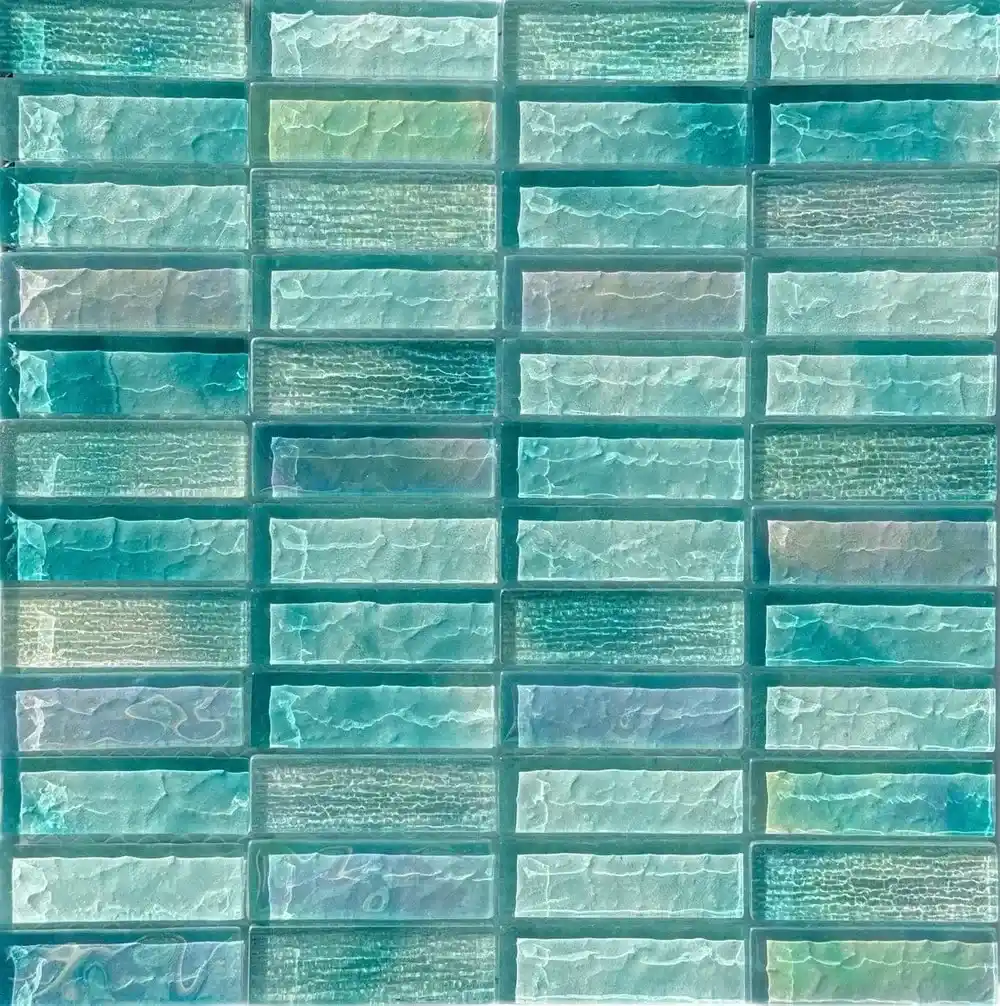
The two materials that dominate the market — by a wide margin — are glass tile and porcelain tile. Both are excellent choices. Both are non-porous, chemical-resistant, and rated for submersion. But they behave differently in sunlight, they cost differently, and they suit different parts of the pool. This guide breaks down exactly how they compare, what they cost per square foot in 2026, and how to decide which one (or which combination) is right for your project.
Quick Answer: Which Should You Choose?
- Choose glass tile if you want maximum color depth and a reflective/shimmering finish and you’re tiling an accent area a waterline band, a raised spa wall, steps, or a full glass pool interior on a luxury build.
- Choose porcelain tile if you’re covering a large surface area (a full pool interior, a spa, or a pool deck transition), you want a matte or stone-look finish, and you want the most budget-efficient option without sacrificing durability.
- Combine both — porcelain for the bulk of the surface and glass at the waterline or as an accent band which is what most pool designers actually recommend, and it’s a very achievable approach even on a mid-size residential budget.
How Glass Pool Tile Performs
Glass pool tile is made by fusing colored glass, often with a reflective foil or mirror backing, into a fired tile body. That construction is what gives it its signature look.
Appearance. Glass tile has translucency and depth that no other material fully replicates. Light passes into the tile and bounces back off the backing layer, which is why glass tile appears to shift shade slightly as the sun moves or as water ripples over it. This is the effect designers mean when they talk about a pool having “movement” or “sparkle.”
Durability. Glass tile is completely nonporous, so it does not absorb water, oils, sunscreen residue, or pool chemicals which makes it highly resistant to algae growth and staining. It also does not fade under UV exposure the way some painted or glazed surfaces can over decades.
Where it’s best used. Because of its cost and its brilliance, glass tile is most commonly used as a waterline band (the strip of tile that sits at the pool’s water level and hides the plaster line), on raised spa walls, on steps and benches as an accent, or as a full interior on higher-end builds where the all-glass look is the goal.
Considerations. Glass tile tends to run warmer underfoot in direct sun than matte porcelain, and it’s typically priced higher per square foot, which is why most homeowners use it selectively rather than across an entire pool floor.
Explore current options in our glass pool tile collection and iridescent pool tiles for a shimmer-finish variant.
How Porcelain Pool Tile Performs
Porcelain tile is a dense, fired ceramic body fired at a much higher temperature than standard ceramic tile, which is what gives pool-rated porcelain its very low water absorption rate.
Appearance. Porcelain now covers an enormous design range: solid matte colors, stone-look and concrete-look finishes, textured surfaces, and large-format tiles that reduce the number of grout lines across a pool floor. It doesn’t have the same light-reflective quality as glass, but it reads as more natural and less “shiny,” which many homeowners now prefer for a resort or earth-tone aesthetic.
Durability. Fired at high heat, porcelain is extremely dense and resistant to scratching, chipping, and freeze-thaw cracking, which matters a great deal in colder climates where pools are drained or partially exposed over winter. Textured and matte porcelain finishes also tend to offer better slip resistance than polished glass, which is a real consideration for pool steps, benches, and sun shelves.
Where it’s best used. Porcelain is the practical choice for covering large surface areas — full pool interiors, spa floors, and the transition zone where pool tile meets the deck — because it’s more cost-efficient at scale than glass while still holding up to years of chemical and UV exposure.
Considerations. Porcelain doesn’t have the same depth of color shift as glass underwater, so if the “shimmer” look is the primary design goal, it’s usually paired with a glass accent rather than used as a total glass replacement.
Browse our porcelain pool tile collection to compare current matte, stone-look, and textured finishes.
Side-by-Side Comparison
| Factor | Glass Tile | Porcelain Tile |
|---|---|---|
| Visual effect | Reflective, luminous, color shifts with light | Matte or stone-look, consistent color |
| Best surface coverage | Accent areas—waterline, spa, steps | Full pool interior, deck transitions |
| Water absorption | Non-porous | Very low (pool-rated porcelain) |
| Slip resistance | Lower on polished finishes | Higher with textured/matte finishes |
| Heat underfoot (direct sun) | Runs warmer | Stays cooler |
| Typical cost range | Higher per sqft, priced by accent use | More budget-efficient at scale |
| Freeze-thaw performance | Good | Excellent |
| Common use case | Luxury accent, full glass interior on high-end builds | Primary pool surface material |
What Pool Tile Actually Costs
Pricing varies by finish, pattern complexity, and whether you’re buying full sheets versus specialty accent pieces, but as a general planning range for 2026:
- Glass pool tile: typically runs from the low double digits per square foot for standard color-blend mosaics up into the $20–$35+ range for iridescent, metallic, or specialty finishes.
- Porcelain pool tile: typically runs lower per square foot for standard matte and stone-look finishes, with premium textured or large-format porcelain priced higher but still generally below glass.
A common, budget-conscious approach: use porcelain for the full pool interior and reserve glass tile for the waterline band, which is the area most visible from the deck and the house. This gives you the visual impact of glass without pricing an entire pool interior in glass tile.
Order free tile samples before committing color and finish can look noticeably different once wet and under outdoor light compared to how they appear online or in a showroom.
Choosing by Pool Type and Climate
Cold-climate pools (freeze-thaw regions). Porcelain’s density and low water absorption make it the more forgiving choice for pools that are drained or exposed to winter freezing, since it’s less prone to cracking from trapped moisture expanding in freeze cycles.
Hot, high-UV climates. Both materials hold color well under UV, but if the pool deck gets heavy bare-foot traffic in full sun, matte porcelain will stay noticeably cooler underfoot than glossy glass tile.
Salt-water pools. Both glass and porcelain are salt-system safe when properly installed with the correct pool-rated setting materials and epoxy grout. The key factor is using a grout and adhesive system rated for continuous water exposure, not the tile material itself.
Spas and raised walls. Glass tile is the traditional favorite here because a spa wall is a smaller, highly visible surface where the light-reflective effect has maximum impact relative to cost.
Full renovation on a budget. Porcelain, used across the full interior with a contrasting waterline accent (glass or a different porcelain tone), gives the most design flexibility per dollar.
Installation and Maintenance Notes
Both materials should be installed by a tile setter experienced with submerged applications, using a pool-rated thin-set and an epoxy grout; standard cementitious grout is more porous and more prone to staining and calcium buildup in a pool environment.
For upkeep, both glass and porcelain benefit from the same basic routine: weekly brushing to prevent algae and calcium buildup, keeping pool water chemistry balanced (unbalanced pH is the leading cause of scale and staining on any pool tile), and avoiding abrasive cleaning tools that can dull glazed or polished finishes. Stubborn calcium deposits on either material can usually be removed with a pool-safe scale remover or a diluted vinegar solution, and gentle scrubbing or harsh acids should be avoided on both surfaces.
Frequently Asked Questions
Is glass or porcelain tile more durable for a swimming pool?
Both are rated for long-term pool use. Porcelain generally has an edge in scratch resistance and freeze-thaw performance, while glass has an edge in long-term color and UV stability. For most residential pools, either material will last decades when properly installed and maintained.
Can I mix glass and porcelain tile in the same pool?
Yes, it’s a common approach. Porcelain across the main interior with a glass waterline band or glass accent on steps and spa walls is one of the most popular combinations, balancing cost with visual impact.
Which tile is better for a saltwater pool?
Both glass and porcelain perform well in saltwater systems as long as they’re installed with pool-rated, epoxy-based grout and setting materials designed for continuous water and chemical exposure.
Do glass pool tiles fade over time?
High-quality glass pool tile is UV-stable and resistant to fading since the color is fused into the glass itself rather than surface-printed.
Is porcelain tile slippery around a pool?
Textured and matte porcelain finishes are generally more slip-resistant than polished glass, which is why porcelain is often preferred for steps, benches, and sun shelves specifically for safety reasons.
How do I decide before buying a full order?
Order a few physical samples and view them wet, outdoors, and at different times of day before committing to a full quantity tile color and reflectivity can shift noticeably once wet compared to how they look dry indoors.
Final Takeaway
There’s no single “better” material; glass and porcelain solve different problems. Glass delivers unmatched shimmer and color depth for accents, spas, and statement interiors. Porcelain delivers durability, slip resistance, and cost efficiency across larger surfaces. Most well-designed pools today use both, letting each material do the job it’s best suited for.
If you’re planning a build or renovation, start with a few pool tile samples, compare them against your deck and coping materials in real outdoor light, and build
Comments on this guide to 8 benefits of pool covers for homeowners article are welcome.
Swimming Pools
Swimming Pool Design Articles
Swimming Pool Designs
Swimming Pool Building Designs
Important purchases for your new swimming pool
++
Property Articles
Comments / photos for the 8 benefits of pool covers page welcome.