Keeping Commercial Floors Clean, Safe, and Lasting
23 July 2026
Architects obsess over the right floor, then it gets handed to a maintenance team armed with a mop and a bucket. In a busy commercial building, that mismatch shows fast. Foot traffic, grit, spills, and grime wear a floor down and make it look tired long before its time.
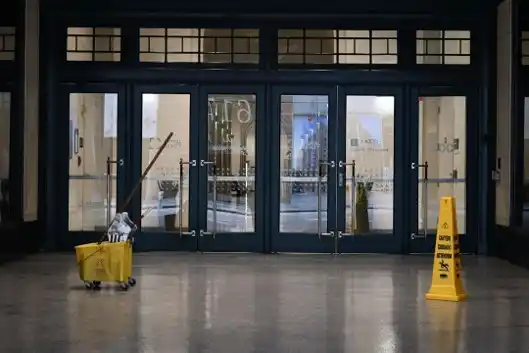
photo by Christian R on unsplash.com
Alt text: An industrial floor scrubbing machine cleaning a large commercial floor
The fix is the right equipment, not more elbow grease. For many facilities, industrial carpet cleaner hire and scrubber-dryer rentals make professional-grade cleaning affordable without buying machines outright. This guide covers what the equipment does, whether to hire or buy, and how clean floors keep people safe.
Why Do Commercial Floors Need More Than a Mop?
Because scale and traffic change everything. A mop pushes dirty water around a large floor rather than lifting the grime out of it.
Commercial spaces see hundreds or thousands of footfalls a day, each one grinding grit into the surface. That abrasion dulls finishes, embeds stains, and shortens the life of an expensive floor. A mop simply cannot keep pace with that kind of load.
Purpose-built machines change the math. They apply cleaning solution, agitate the surface, and vacuum the dirty water back up in one pass. The floor comes up cleaner, dries faster, and lasts longer.
What Equipment Does the Job?
A small family of machines, each suited to a surface and space. Matching the tool to the floor is half the battle.
- Scrubber dryers for hard floors, washing and drying in one pass.
- Sweepers that lift grit and debris from large areas fast.
- Carpet extractors that flush dirt from deep in the pile.
- Rotary machines for scrubbing, buffing, and polishing.
- Ride-on units for warehouses and other vast spaces.
The right choice depends on the flooring and the square footage. As a guide to choosing flooring for public buildings makes clear, the surface itself dictates how it should be cleaned. Carpet, vinyl, tile, and polished concrete each want a different machine.
Should You Buy or Hire the Equipment?
It depends on how often you need it. The math tips clearly one way or the other for most facilities.

image source : unsplash.com
Buying makes sense for daily, year-round cleaning of a large site, where a machine earns its keep. Hiring suits periodic deep cleans, one-off projects, or trying a machine before committing to a purchase. Renting also sidesteps storage, servicing, and the fast depreciation of owned equipment. A good hire company keeps its fleet maintained and current, so you collect a reliable machine rather than one that has been gathering dust in a cupboard.
When Does Hiring Win?
For occasional or specialized jobs. Most buildings do not need a carpet extractor sitting idle for eleven months of the year.
Hiring gives you the exact machine for a specific task, freshly serviced, only when you need it. It converts a big capital purchase into a small predictable cost. For seasonal deep cleans or a post-renovation blitz, that flexibility is hard to beat.
How Does Floor Care Affect Safety?
More than most people realize. A dirty or badly cleaned floor is a genuine hazard, not just an eyesore.
- Wet or greasy floors are a leading cause of slips and falls.
- Ground-in grit becomes slippery and abrasive underfoot.
- Poorly rinsed cleaner can leave a slick residue.
- Standing water from a mop lingers as a trip risk.
- Fast-drying machine cleaning shrinks the danger window.
Slips, trips, and falls are among the most common workplace injuries, and OSHA guidance on walking and working surfaces treats floor condition as a real safety matter. Proper equipment that cleans and dries in one pass cuts that risk sharply.
How Do You Choose the Right Cleaning Approach?
Start with the floor, then the frequency, then the chemistry. Each decision narrows the field.
Match the machine to the surface first, since the wrong pad or brush can damage a finish. Then set a cleaning schedule based on traffic, not the calendar. The way floor care has evolved means there is now an efficient method for almost every surface and budget.
Product choice matters too. Using cleaners certified through programs like the EPA’s Safer Choice protects both indoor air quality and the people doing the work. The best routine pairs the right machine with the right, responsibly chosen solution.
Key Points On Commercial Floor Care
- Commercial traffic overwhelms mop-and-bucket cleaning.
- Scrubber dryers and extractors clean and dry in one pass.
- Match the machine to the flooring and the square footage.
- Hire for occasional jobs, buy for daily large-scale use.
- Clean, dry floors sharply reduce slip-and-fall risk.
- Pair the right machine with a responsibly chosen cleaner.
Protecting the Floors You Designed
A well-specified floor deserves cleaning that matches its quality. Choose equipment suited to the surface, decide honestly whether to hire or buy, and treat floor care as the safety measure it is. Do that, and the floor keeps looking and performing the way the design intended for years longer.
Frequently Asked Questions
Why is a mop not enough for commercial floors?
A mop spreads dirty water rather than removing grime, and it leaves floors wet. In high-traffic spaces, ground-in grit needs a machine that scrubs and extracts. Purpose-built equipment cleans deeper and dries faster.
Should I hire or buy floor cleaning equipment?
Buy if you clean a large site daily and the machine will be well used. Hire for occasional deep cleans, one-off projects, or to trial a machine first. Renting also avoids storage, servicing, and depreciation costs.
What machine suits my floor type?
Scrubber dryers handle hard floors, carpet extractors handle carpet, and rotary machines scrub or polish. The surface dictates the tool and the pad. Using the wrong one can damage the finish.
How does floor cleaning affect safety?
Wet, greasy, or grit-covered floors are a leading cause of slips and falls. Equipment that cleans and dries in one pass shrinks the risk. OSHA treats floor condition as a genuine workplace safety issue.
Comments on this guide to Keeping commercial floors clean, safe, and lasting guide article are welcome.
Home Flooring

Home Laminate Flooring Style
Commercial flooring selection checklist

The Versatility of Hybrid and Laminate Flooring

Installing and looking after laminate flooring
Choose the Best Flooring for Your Home
++
Building Articles
Comments / photos for the Keeping commercial floors clean, safe, and lasting advice page welcome