How Architectural Design Choices Directly Impact Rental Value in Houston
3 June 2026
Houston’s rental market has evolved significantly over the past decade. With a metropolitan population exceeding 7 million and one of the most diverse housing stocks in the country, the gap between properties that command premium rents and those that sit vacant often comes down to one factor: architectural design decisions made long before a tenant ever walks through the door.

Whether you are a developer, architect, or property owner, understanding how specific design elements influence rental performance is increasingly critical in a market as competitive as Houston.
Open Floor Plans Still Dominate Tenant Preferences in Houston’s Rental Market
According to Redfin, year-over-year studies have indicated that homes with open living and kitchen spaces — commonly referred to as open concepts — rent faster and have greater per-square-foot pricing potential when compared to similar homes with closed-off rooms. This trend is even more pronounced in Houston due to our climate. Smaller rooms can be very hot and stuffy, and creating the feeling of airiness and openness — and therefore comfort — is something tenants will pay extra for.
If you are building or renovating a home that will be rented out, eliminating some interior bearing walls to allow for open transitions between the kitchen and living spaces is arguably the best ROI decision available today.
Natural Light as a Premium to Renters
At approximately 29 degrees north latitude, Houston receives a significant amount of sunlight year-round. Properties that are architecturally designed to take maximum advantage of natural lighting — larger windows, south-facing orientation, and open sight lines — typically lease up much faster compared to darker properties.
In fact, many properties within Houston’s Inner Loop and high-demand suburban areas such as Katy, Sugar Land, and Kingwood that feature large windows or clerestory-style roofs commonly see rental prices increase by 8-12% above their non-window-enhanced neighbors. From a design standpoint, upgrading window size during construction costs relatively little compared to the increased rental income generated for years to come.
Storage Architecture: The Underappreciated Differentiator
Another common complaint among Houston renters is a lack of storage. When properties incorporate architectural storage solutions — built-in cabinetry, structurally shelved walk-in closets, garage organizational systems, and utility room design — they immediately stand out to prospective tenants viewing online listings.
Suburban rental demographics in Houston tend to skew toward families and long-term residents. These tenants acquire more belongings over time, which can lead to cluttered living conditions when storage is insufficient. An architecturally sound property with adequate storage opportunities retains tenants longer, resulting in reduced vacancy and turnover costs that ultimately protect net operating income.
Outdoor Living Space: An Architectural Design Requirement for Houston Specifically
Unlike colder climates where outdoor space is considered a seasonal amenity, Houston’s climate allows for year-round outdoor living. Covered porches, expanded roof overhangs, and outdoor ceiling fans are not luxuries here — they are essential amenities that renters actively seek.
Properties located in The Woodlands, Pearland, and Missouri City that feature well-designed covered outdoor extensions consistently lease faster than those without. The covered element is particularly important given Houston’s intermittent rain patterns. From an architectural standpoint, building adequate roof overhangs and providing structural supports for outdoor ceiling fans during initial construction is substantially cheaper than retrofitting later — and the additional rental income compounds with every year the property is held.
Flooring Design and Long-Term Rental Economics
Carpet has become largely non-functional in Houston’s rental market. Due to the city’s high humidity levels combined with high pet ownership rates and frequent tenant turnover, hard surface flooring — luxury vinyl tile and plank, engineered hardwood, and polished concrete — greatly reduces long-term maintenance costs while generating higher rental income.
Multiple sources, including Denova Living, a property management company servicing the Houston Area, indicate that hard surface flooring is one of the most frequently requested features during prospective tenant inquiries. Owners who complete this renovation rarely regret it, given the substantial durability difference between carpet and hard surface floors over a five to ten year hold period.
Energy Efficiency: Design Is Key to Lower Utility Costs and Higher Rents
Houston tenants are increasingly factoring utility costs into their overall housing cost analysis. Architecturally integrated energy efficiency measures — proper insulation specifications, high-performance window glazing, efficient HVAC duct placement, and solar-ready roof orientations — translate directly into tenant retention. Occupants in well-designed, energy-efficient properties consume less electrical power during Houston’s demanding cooling seasons.
For property owners and developers, energy-efficient design produces compounding benefits: lower tenant utility costs support higher rent tolerance, longer tenancies reduce vacancy costs, and the property’s performance story becomes a genuine differentiator in a competitive marketplace.
The Design-Management Intersection
While an architecturally well-designed rental property still requires competent management to reach its full potential, Houston’s rental market clearly demonstrates that combining intelligent design with skilled management is the key to maximizing financial returns.
Architects who understand rental economics design buildings that are not only aesthetically pleasing but operationally efficient — with easy access to mechanical components, durable finish materials, and layouts that simplify routine maintenance and unit turnover between residents. Owners who give equal attention to both design and management consistently outperform those who focus on only one.
Houston’s rental market rewards design intelligence. The architectural decisions made during planning and construction create performance advantages that persist across the entire hold period — making design not a cost, but one of the highest-return investments available to Houston property owners.
Comments on this guide to How Architectural Design Choices Directly Impact Rental Value in Houston article are welcome.
Water / Floods Articles
Water / Floods Posts
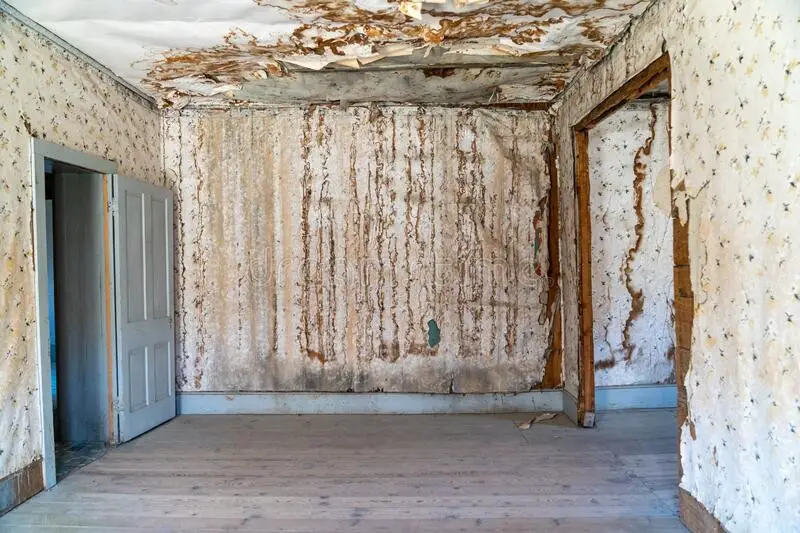
Water damage from leaks: construction lawsuits

Water damage cleanup and repair service
Water damage restoration professional tips
Architects and Architecture
Architects and Architecture by Type – architectural selection below:
Comments / photos for the How Architectural Design Choices Directly Impact Rental Value in Houston page welcome.