2026 World Cup Stadium Buildings
June 29, 2026
US Stadium Architecture News
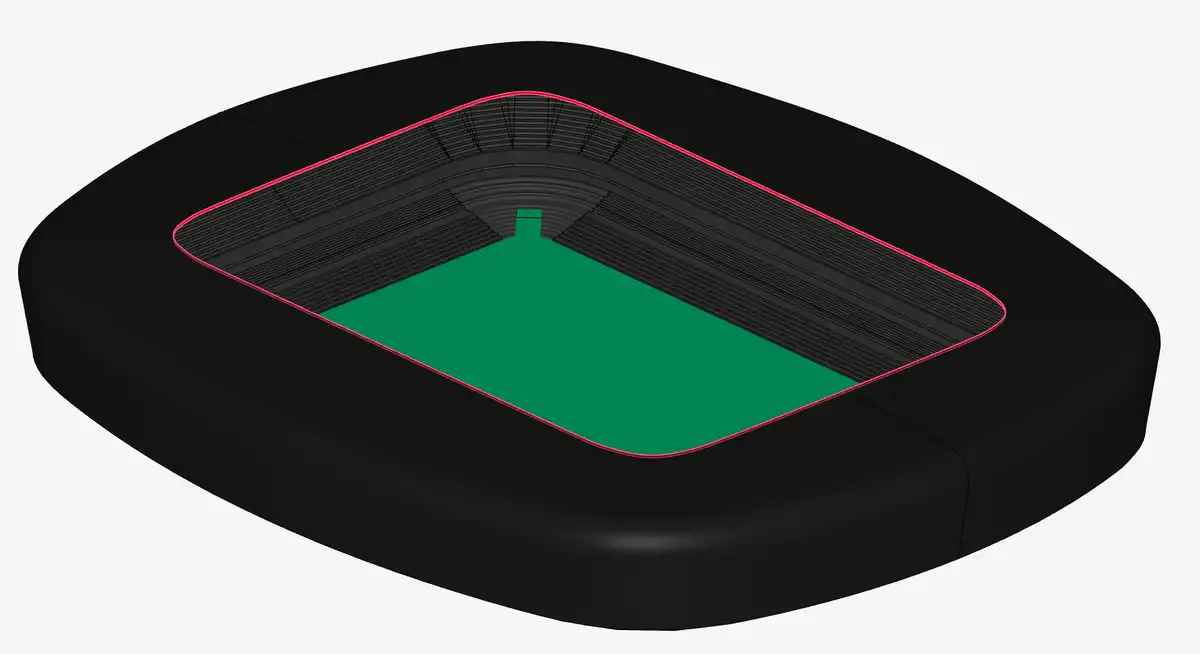
Sample stadium design:
Heat is only half the story – the 2026 World Cup is stress-testing how we design and build our stadiums
• The World Cup is revealing the complexity and trade-offs of stadium design as more than one-third of matches are rated high risk for dangerously hot and humid conditions.
• The US-based tournament is being played across open-air, enclosed, climate-controlled, high-altitude, and multi-use venues, making it the biggest public test of modern stadium engineering ever staged.
• As architects and engineers wrestle to meet multiple conflicting demands, early-stage design decisions are having a big impact on stadium conditions.
• For future builds, engineers need to simulate thousands of design options to find the winning combination.
Munich, Germany, Monday 29th June 2026: The 2026 World Cup is stress-testing how we design and build stadiums live across sixteen host cities, highlighting the complexity and trade-offs architects and engineers face when trying to meet conflicting demands. This is according to global science and engineering consultancy Thornton Tomasetti, which has worked on 6 out of 10 of the world’s tallest buildings, and SimScale, cloud and AI-native engineering simulation software used by major architecture, engineering and construction (AEC) companies including KPF and ZHA Architects.
Biggest public test of stadium engineering
With more than one third of matches rated as high risk for dangerously hot and humid conditions, and games including Saudi Arabia versus Uruguay in Miami and Sweden versus Tunisia in Monterrey already seeing players and fans face ‘severe heat,’questions are being asked about safety and what can be done to mitigate the impact of extreme temperatures.
The tournament is being played across open-air, enclosed, climate-controlled, high-altitude, and multi-use venues, making it the biggest public test of modern stadium engineering ever staged. FIFA’s decision to place as many day-time and most major fixtures in roofed, air-conditioned venues suggests that some stadiums are trusted more than others to manage those risks effectively. But roofed stadiums are not always the answer.
“Closing a roof may shade spectators, but without adequate active cooling and ventilation it can trap heat and create worse conditions inside than outside,” says Jeroen Janssen, Director, Thornton Tomasetti. “We saw this in Qatar 2022 – 120,000 vents beneath the seats across seven venues kept spectators comfortable, but it didn’t provide the same conditions on the pitch for the players.”
Roofed stadiums also present a problem for the pitch itself. Five 2026 venues have enclosed roofs that limit natural light, requiring artificial grow lamps and impacting the quality of the grass. This risk was first exposed during the 2024 Copa América where the Mercedes-Benz Stadium in Atlanta faced criticism for ‘disastrous’ pitch standards.
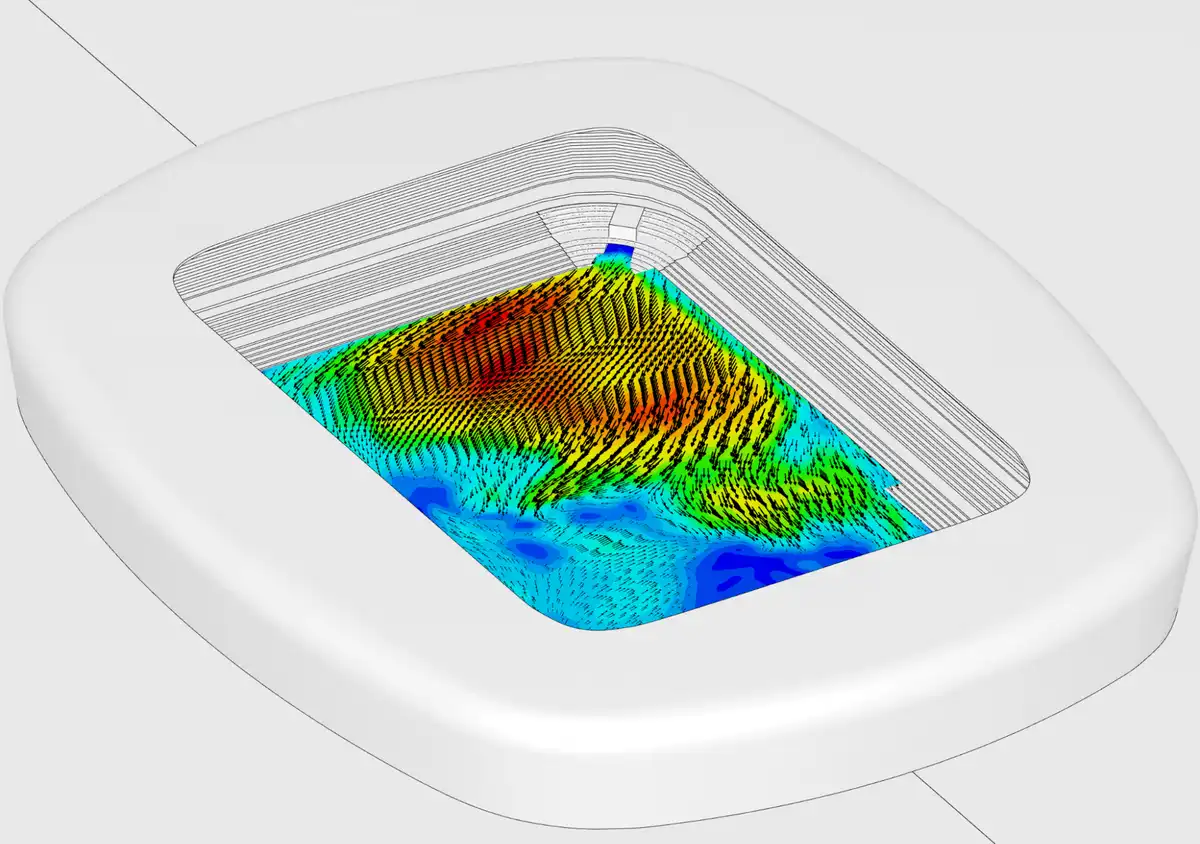
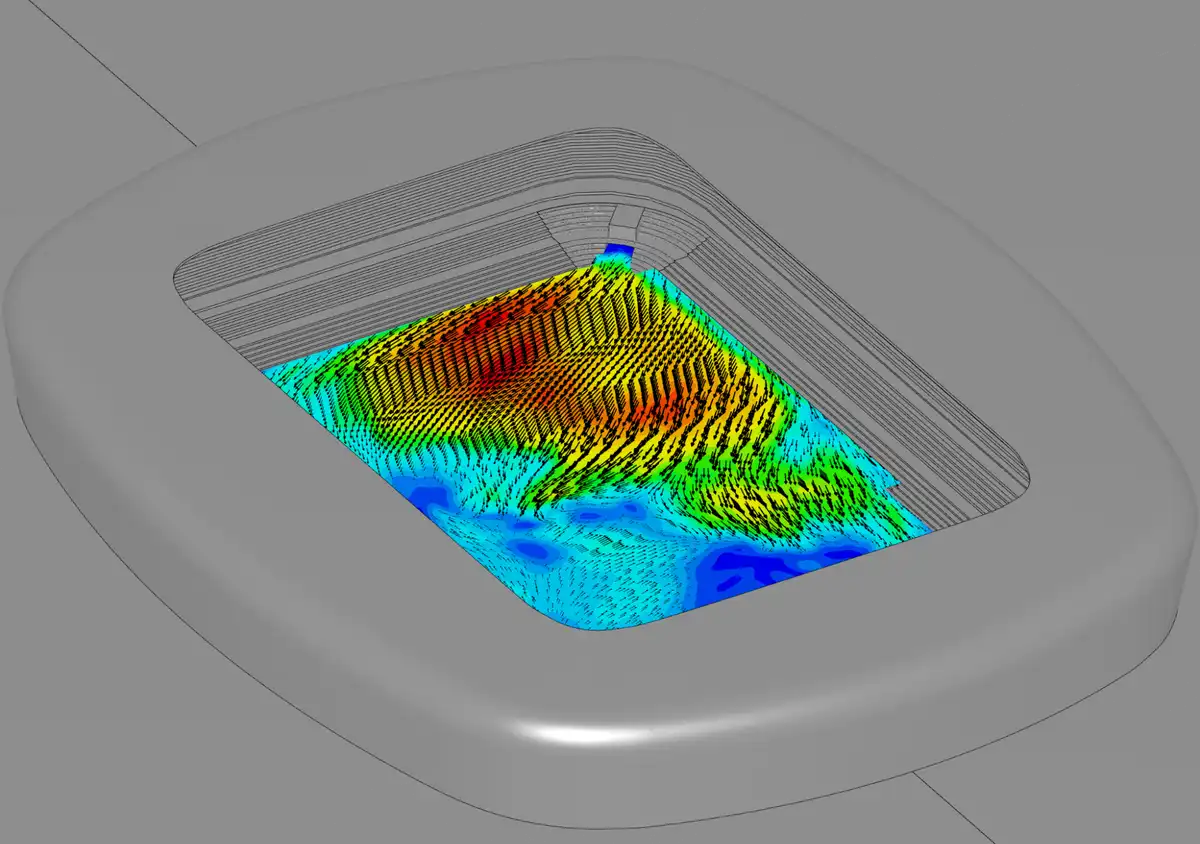
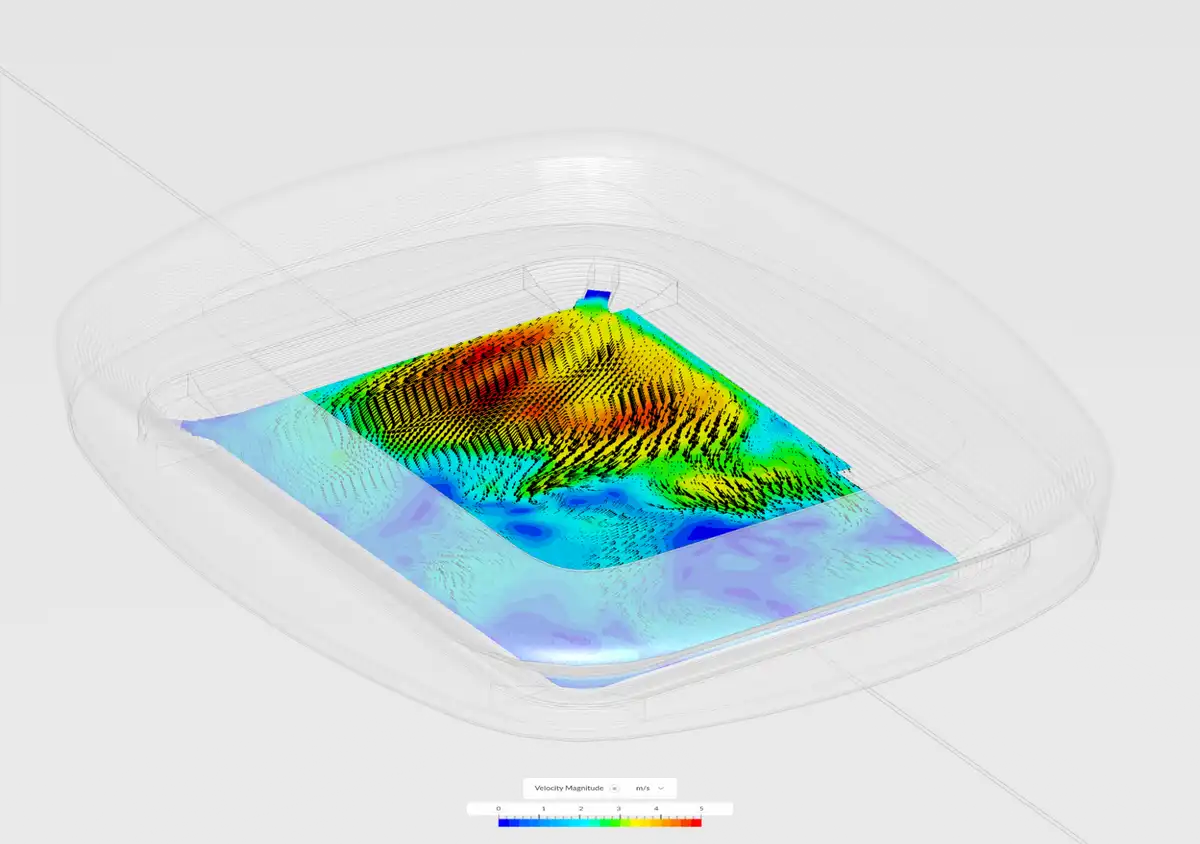
Illustrative images below showing the air flow distribution (colored by air speed) at the pitch level of a stadium (at player head height 1.5m-1.75m above the ground) under diagonal cross wind conditions:
Competing priorities in stadium design
Modern stadium builds come with a myriad of competing priorities and needs. Professional sports players need cool, stable, glare-free conditions. To maintain high quality natural pitches the grass needs light, air, moisture, and recovery time. Stadium crowds of up to 80,000 are looking for comfort and atmosphere, while operators need revenue flexibility, and multi-use functionality to make the venue profitable, with the most successful venues generating up to 76% of their revenue on non-match days. Venues built for NFL, concerts, corporate events, and year-round commercial activities are now also expected to host elite football on natural or hybrid grass, often under radically different environmental demands.
“The grass grows best in an open stadium. The fans are most comfortable in an enclosed one. The commercial operator needs something else entirely. You cannot fully optimize for all three – every design is a negotiated compromise,” continues Jeroen.
Designing for the future
A stadium is a massive, highly volatile thermodynamic puzzle and each design decision can have massive ripple effects. This has played out particularly prominently when it comes to pitch designs.
“Older stadiums, such as the Gelredome in the Netherlands, were rolling the entire pitch outside of the stadium, while Amsterdam Arena had the pitch in removable trays, and then later got rid of them.” explains Jeroen. “New ones, such as Tottenham Hotspur’s newly-built stadium has a pitch that moves under the seating tier in six large pieces. Real Madrid’s refurbished stadium also has a moving pitch, but this one retracts into the basement in eight vertically stacked layers, which is fully climatised with temperature, humidity and light highly regulated. Both have major implications on the design of the stadium.”
But with new stadium builds costing billions of dollars, design trade-offs will continue as operators prioritize revenue streams beyond sporting events to make venues profitable. Architects and engineers will need to look at the lessons learned during this tournament and use the tools available to best manage these choices going forward.
Technology such as computational fluid dynamics (CFD), cloud computing, early-stage simulation and AI can help engineers and architects model critical factors such as airflow, cooling, heat loads, turf conditions, and event configurations earlier and more accurately. These tools allow design teams to evaluate trade-offs before construction and avoid costly performance failures.
“Ultimately, the World Cup will show us which existing venues have successfully balanced the needs of the pitch, fans, players, and operators but – for future builds – new tools can massively increase the chance of success,” says Richard Szöke-Schuller, Lead Product Manager, SimScale. “Early-stage simulation is changing the game for stadium design decision-making by enabling teams to run through thousands of design options in minutes to find the winning combination. That’s what they need to succeed.”
+++
SimScale
SimScale is the AI-native cloud platform for engineering simulation. Trusted by more than 800,000 users, SimScale empowers engineers everywhere to innovate faster by exploring 1000’s of engineering decisions in seconds.
By integrating Engineering AI agents and Physics AI models with computational fluid dynamics (CFD), finite element analysis (FEA), electromagnetic, and thermal simulation in a single cloud platform, SimScale empowers teams to engineer the irreplaceable. For more information, visit www.simscale.com.
SimScale is a registered trademark of SimScale GmbH. All other trademarks not owned by SimScale GmbH are the property of their respective owners.
Thornton Tomasetti
At Thornton Tomasetti, we’re an international firm of 2,000+ problem solvers, integrating multidisciplinary expertise to forge enduring solutions for complex challenges. Our engineers, scientists, architects and sustainability experts collaborate to design, analyse and optimise structures, infrastructure and neighbourhoods, as well as systems, materials and tools. Our inclusive culture enables our employees to thrive – in their work and communities.
Through our commitment to sustainability and decarbonisation in our operations and projects, we lay the foundation for a better, more resilient future and be the global driver of change and innovation in our industry.
+++
American Stadium Building Designs
US Stadium Architecture News – key recent arena buildings on e-architect:
Buffalo Bills Stadium in Orchard Park, Buffalo, New York, USA
Architecture: Populous, Architects
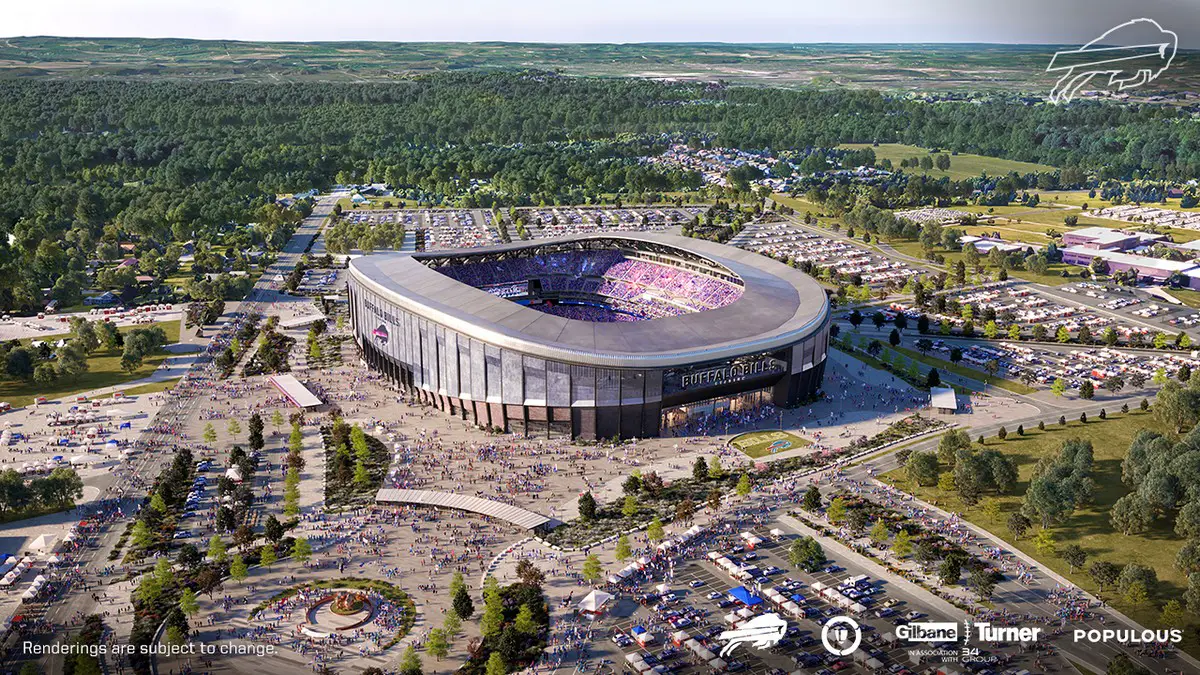
image courtesy of architects practice
U.S. Bank Stadium Building, Washington, DC
Design: Bjarke Ingels, BIG
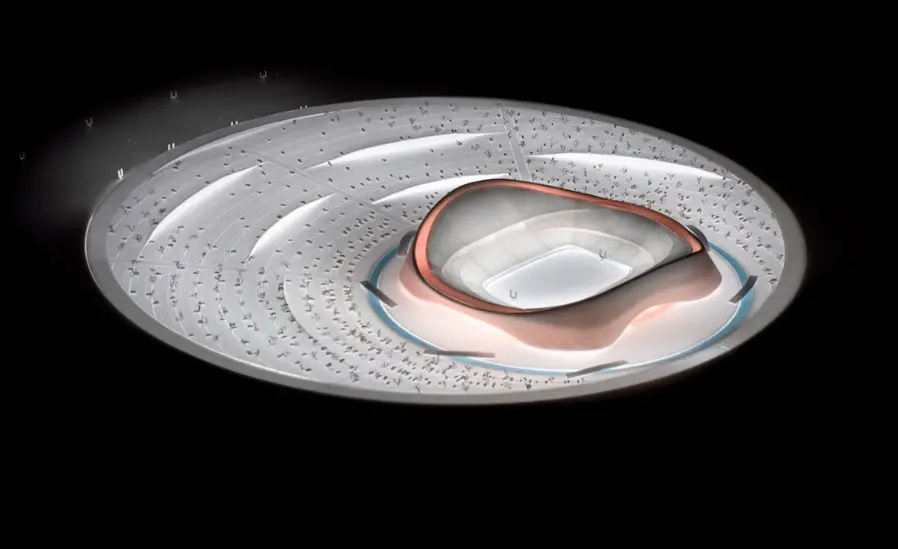
image courtesy of architects practice
PETCO Park Ballpark in San Diego, Southern California
Design: Populous architects
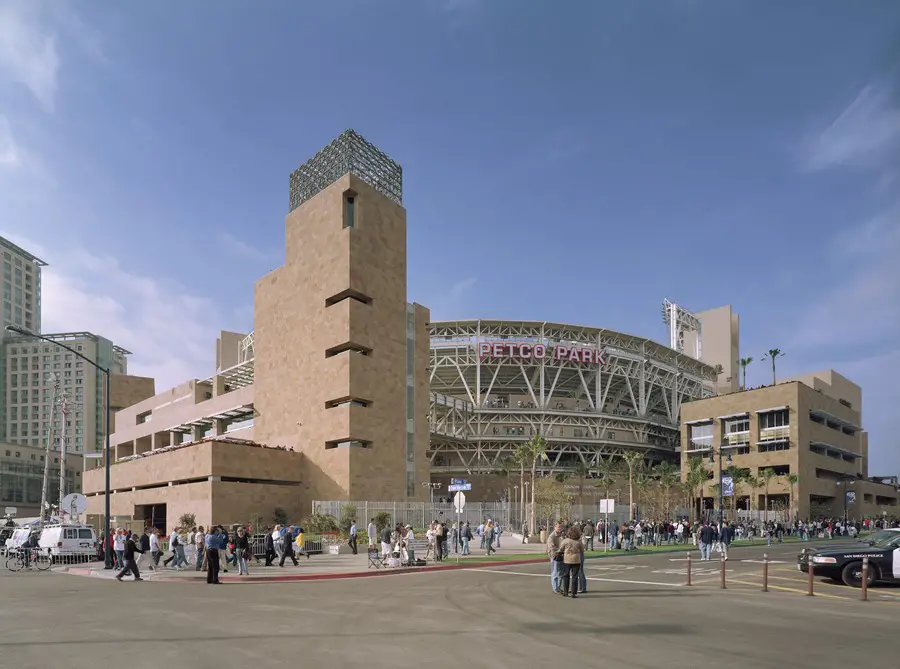
image courtesy of Populous, architects
Golden State Warriors Arena, San Francisco, California
Design: Snøhetta + AECOM
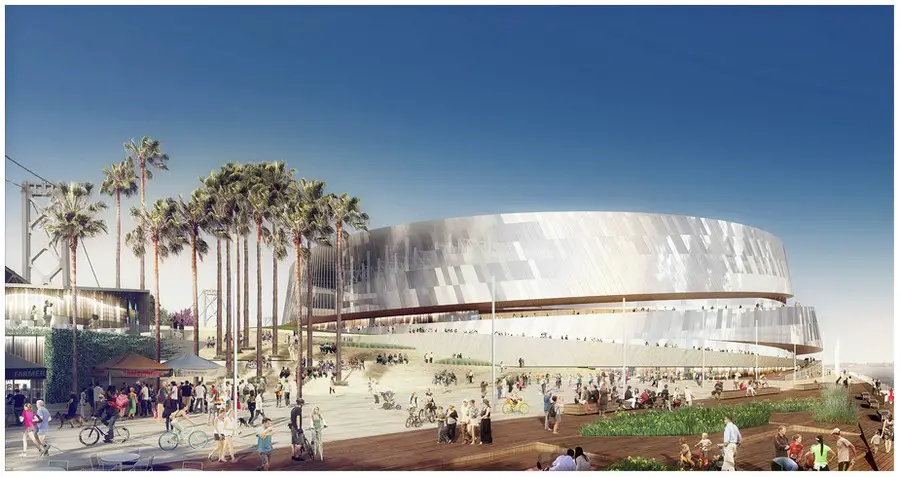
image from architect
Civic Park, Eugene Stadium, Corvallis, Oregon, USA
East Austin District Arena, Texas
Rupp Arena Master Plan, Lexington, Kentucky
Rupp Arena Masterplan, Kentucky
More modern American Sports Stadium Designs online soon.
Location: USA.
+++
+++
American Building Designs
Architecture USA – architectural selection below:
American Architectural Designs : links
+++
Titans riverfront stadium Nashville, Tennessee
Noteworthy College Football Stadiums in the US
The five largest capacity NFL stadiums in America
Architecture of Kenan Stadium in North Carolina, USA
Buildings / photos for the 2026 World Cup stadium buildings: American Arena Architecture Designs – USA sports ground buildings news page welcome.