Why Architecture Practices Are Becoming Smarter Businesses, Not Just Better Designers
2 July 2026
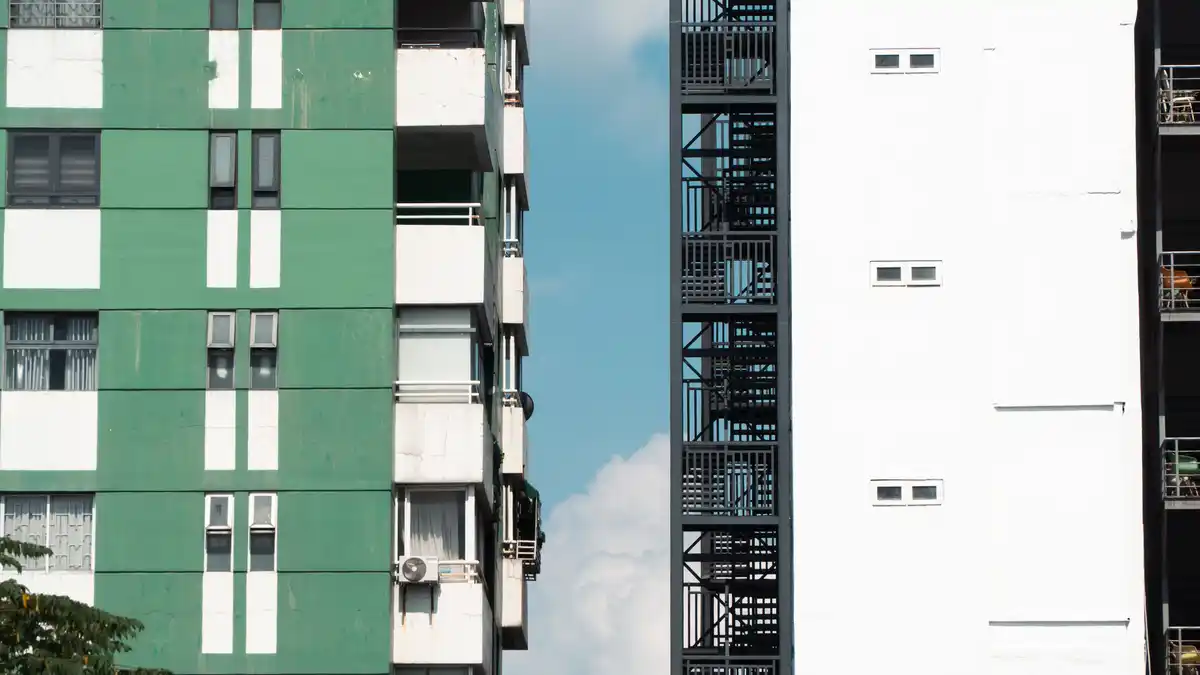
Architecture has always balanced creativity with commercial reality.
Great buildings require exceptional design, but they also depend on strong leadership, financial discipline, regulatory compliance and effective project management. As technology reshapes the construction industry, architecture practices are increasingly discovering that commercial excellence is becoming just as important as design excellence.
Artificial intelligence, digital collaboration and sustainable construction are changing how architects work. At the same time, clients expect greater transparency, faster delivery and measurable long-term value.
The result is a profession that is evolving not only creatively, but commercially.
Architecture Is Entering a New Era
Digital technologies have transformed every stage of the design process.
Building Information Modelling (BIM), cloud collaboration, generative design and artificial intelligence are allowing architects to model, analyse and refine projects more efficiently than ever before.
Meanwhile, sustainability has become a central design principle rather than an optional consideration. Modern architecture increasingly prioritises energy efficiency, adaptive reuse, material performance and long-term environmental impact.
This evolution means architectural practices must continually invest in both technical capability and commercial resilience.
Clients Expect More Than Great Design
Today’s clients increasingly evaluate practices on far more than design quality.
They also look for:
Financial stability.
Clear communication.
Project governance.
Risk management.
Regulatory understanding.
Long-term support.
Commercial professionalism has become a competitive advantage.
Whether delivering residential developments, commercial buildings or public infrastructure, clients want confidence that projects will be delivered efficiently as well as creatively.

Sustainability Is Driving Commercial Opportunity
Environmental performance is reshaping architecture worldwide.
Sustainable design now encompasses energy efficiency, material selection, water management and adaptable buildings capable of meeting future needs. Architects increasingly integrate passive design, renewable technologies and low-carbon materials into projects from the earliest planning stages.
For practices, sustainability is no longer simply about environmental responsibility.
It has become an important commercial differentiator.
Clients increasingly seek architects capable of delivering buildings that combine design quality with long-term operational performance.
Technology Is Changing Practice Management
Artificial intelligence is unlikely to replace architects.
However, it is already improving many routine processes.
Practices increasingly use AI and digital tools to support:
Early-stage concept generation.
Project documentation.
Building performance analysis.
Resource planning.
Administrative workflows.
Client communication.
These technologies allow architects to spend more time on creative problem-solving while reducing repetitive administrative tasks.
The firms that embrace digital transformation thoughtfully are likely to improve both productivity and profitability.
Strong Businesses Deliver Better Projects
Design talent alone does not build successful practices.
Long-term success usually depends on creating organisations capable of managing growth, attracting talented people and maintaining consistently high standards.
Successful firms typically invest in:
Financial planning.
Quality assurance.
Staff development.
Knowledge management.
Cybersecurity.
Operational systems.
Strong business foundations support better architectural outcomes because teams can focus more effectively on delivering exceptional projects.
Expert Perspective
According to Business strategy insights from Robert Engeham, CEO of Your Company Formations Ltd:
“The most successful professional practices increasingly combine technical expertise with commercial excellence. Clients expect creativity, but they also expect reliability, transparency and well-managed businesses capable of delivering consistently high standards.”
He believes digital transformation is changing expectations across professional services.
“Artificial intelligence and digital technology are helping firms become more efficient, but sustainable growth still depends upon strong leadership, effective governance and a culture of continuous improvement. Technology enhances great businesses—it doesn’t replace them.”
Reputation Has Become a Long-Term Asset
Architecture remains one of the most relationship-driven professions.
Recommendations, repeat clients and professional reputation continue to influence commercial success.
Digital publishing, thought leadership and specialist expertise now play an increasingly important role in building that reputation.
Practices that consistently share knowledge, demonstrate innovation and contribute to industry discussion are often better positioned to attract both clients and talented professionals.
Looking Ahead
Architecture will continue evolving alongside advances in technology, sustainability and urban development.
Future practices are likely to combine:
AI-assisted workflows.
Sustainable building design.
Digital collaboration.
Data-driven decision-making.
Human-centred creativity.
The firms that thrive will not necessarily be those with the largest teams.
They will be those capable of adapting while maintaining exceptional design standards and strong commercial foundations.
Conclusion
Architecture has always shaped the spaces in which people live and work.
Increasingly, the profession is also demonstrating how innovation, sustainability and sound business leadership can work together.
As technology continues transforming the built environment, the strongest practices will combine creative excellence with operational resilience.
Design may inspire clients.
Professionalism earns their long-term trust.
Sources
e-architect – Sustainable Building Design (energy efficiency, passive design and sustainable construction).
e-architect – Innovations Driving Sustainable Building and Architecture (smart buildings and digital innovation).
e-architect – Architecture Articles Submission Guidance (editorial focus on architecture, building technology and professional practice).
Comments on this guide to Why architecture practices are becoming smarter businesses article are welcome.
Buildings
Recently added Building posts
What Defines Trustworthy Hospitality Architecture
Structural Connections in Modern Architecture
How Architecture Becomes a Political Story
++
Architecture Design
Architecture Design Articles
Comments / photos for the Why architecture practices are becoming smarter businesses advice guide page welcome.