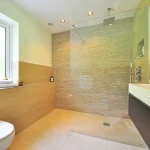
Beyond Physical Boundaries: Redefining Bathroom Architecture in 2026
31 January 2026
Bathroom design is undergoing a profound decentralization revolution. In the modern residential architecture of 2026, rigid compartmentalization is being replaced by boundless design.
Introduction: From Partitioning to Spatial Fluidity
Architects now realize that luxury is not defined by an accumulation of expensive fixtures, but by the integration of spatial fluidity and functional depth through the reduction of visual redundancy (Source: https://showerdoorseal.uk/). This philosophy of “invisible technology” is reshaping the spatial logic of modern wet zones.
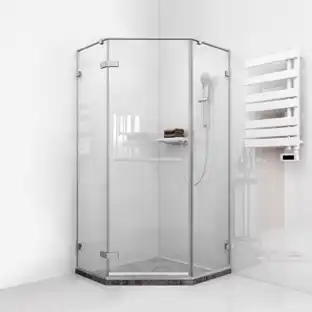
1. The Limitations of Traditional Cubicles: Physical and Safety Burdens
Standard, all-in-one shower enclosures are facing unprecedented challenges in contemporary architectural practice:
- Spatial Fragmentation: In compact 3-5m² bathrooms, a 1.5-2m² rigid frame limits flow flexibility and creates visual clutter.
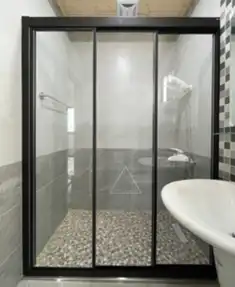
- Low-Maintenance Mandates: In the hard water environments typical of the UK, complex tracks and hardware accumulate calcification and mold. Modern specifications are shifting toward frameless, minimalist solutions that prioritize hygiene and longevity.

2. Trend 2026: Recessed Wet Zones and Zero-Threshold Engineering
The Recessed Wet Zone has emerged as the core of contemporary residential layout. By eliminating heavy thresholds and utilizing precision floor pitching combined with high-performance seals, architects can achieve natural drainage without visual barriers.
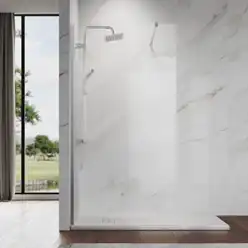
Expert Insight from Laura Liu (SIMBA): “The success of a zero-threshold design lies in ‘invisible addition.’ When we strip away the bulky shower frame, the burden of waterproofing shifts to precision edge components. To achieve perfect dry-wet separation without a physical barrier, a high-specification sealing system is a non-negotiable technical requirement.”

3. Technical Specifications: Polymeric Material Selection in Modern Waterproofing
In the execution of frameless designs or minimalist single-pane glass partitions, the physicochemical properties of materials determine long-term structural integrity. Laura Liu, Senior Expert at SIMBA, notes: “The choice of polymer directly impacts a seal’s resistance to UV degradation, hard water calcification, and mechanical fatigue.”
To ensure a high-performance replacement shower door seal UK is specified, architects should select materials based on environmental stressors:
| Material | Architectural Application | Key Performance Features |
| Flexible PVC | Standard residential projects. | High cost-performance and UV stability; ideal for standard indoor temperatures. |
| TPE (Thermoplastic Elastomer) | High-end commercial, hotels, and steam rooms. | Exceptional “shape memory”; maintains flexibility in temperatures up to 180°C without deformation or melting. |
| PP & PMMA Hybrid | Ultra-clear minimalist projects. | Superior optical clarity and clamping rigidity compared to standard PVC; ensures a secure glass-to-seal interface. |

“By specifying eco-certified, multi-material composite seals,” Laura Liu adds, “architects can guarantee a high-tension interface that eliminates capillary leakage. This technical precision is what enables the successful realization of a recessed wet zone without risking subfloor water damage.”
4. Architectural Best Practices: Precision in Material and Execution
To achieve flawless delivery in 2026, we recommend the following in the project Specification:
- Precision Sealing Solutions: Explicitly specify the use of a high-performance replacement shower door seal UK designed for frameless glass edges to ensure a robust hydrodynamic barrier.
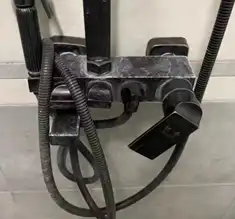
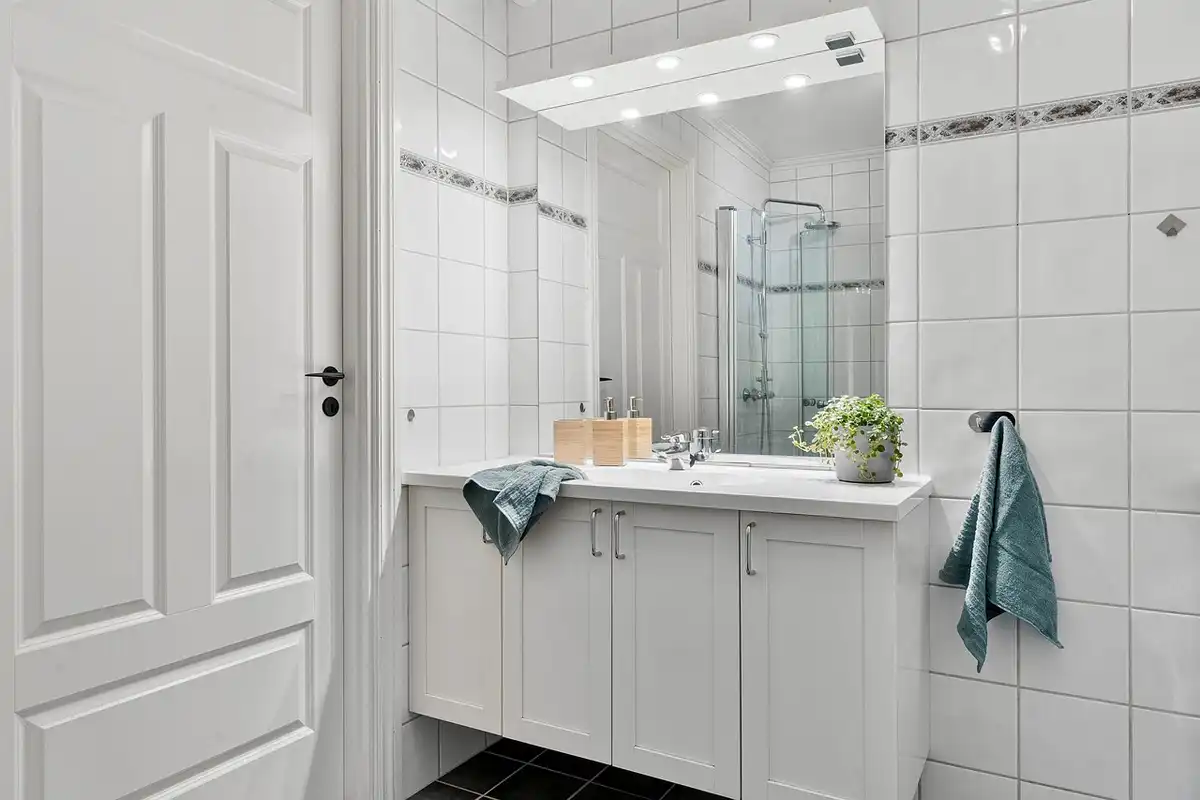
- Rational Material Selection: Avoid black hardware prone to limescale visibility; prioritize brushed stainless steel. Eliminate micro-tiles to reduce grout-line mold risks and adopt integrated recessed basins to optimize spatial flow.
Conclusion: Returning to the Human Scale
The evolution of bathroom design is ultimately about the restraint of technology serving the human experience. By removing redundant obstacles and utilizing precision technical components like those from SIMBA for “invisible support,” we reconstruct a sense of pure “relaxation” amidst the complexity of urban life.
Comments on this guide to Redefining bathroom architecture in 2026 in UK homes article are welcome.
Home Plumbers
Property Plumbers Posts
Smart plumbing design services
DIY solutions for common plumbing mishaps
How plumbing factors into your new home build
++
Building
Residential Property
Comments / photos for the Beyond Physical Boundaries: Redefining bathroom architecture in 2026 in UK homes page welcome.