The Importance of Modern Plumbing Systems in Residential Building Design
29 June 2026
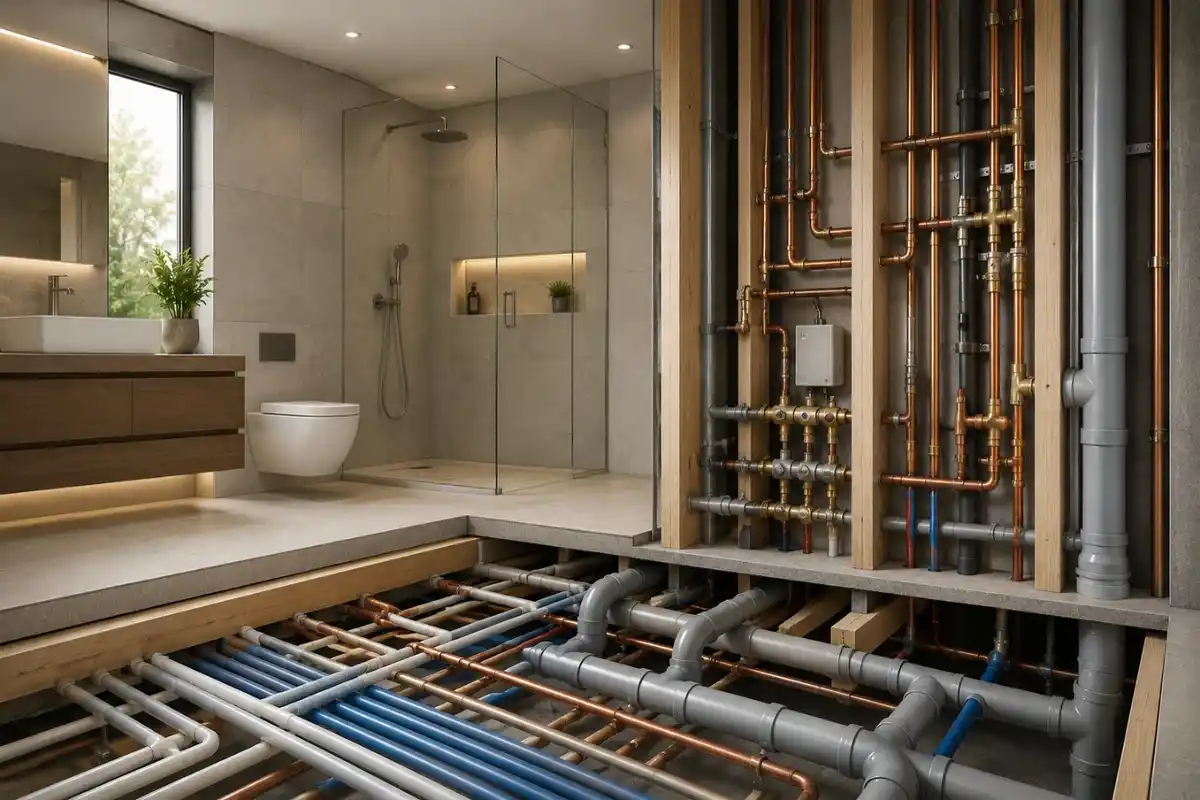
Residential architecture is often judged by its visual appeal, spatial planning, and material selection. However, some of the most important elements of a successful home remain hidden behind walls and beneath floors. Among these, the plumbing system is one of the most critical components, influencing comfort, sustainability, energy efficiency, and the long-term performance of a building.
Modern plumbing is no longer viewed as a standalone utility installed after the architectural design has been completed. Instead, architects, engineers, and building services consultants increasingly integrate plumbing infrastructure from the earliest stages of project development to ensure every system functions efficiently alongside the building’s structure and environmental strategy.
Plumbing as an Integral Design Element
A well-designed plumbing system supports every aspect of daily living. Kitchens, bathrooms, utility rooms, heating systems, and outdoor water supplies all rely on carefully planned water distribution and drainage networks.
By coordinating plumbing layouts during the design phase, architects can reduce unnecessary pipe runs, improve water efficiency, simplify future maintenance, and minimise construction costs. Positioning wet areas close together, for example, not only reduces material requirements but also improves hot water delivery and overall system performance.
This integrated approach allows building services to complement architectural design rather than constrain it.
Supporting Sustainable Living
Sustainability has become a defining principle of contemporary residential architecture. While insulation, renewable energy systems, and high-performance glazing often receive considerable attention, plumbing infrastructure also contributes significantly to environmental performance.
Low-flow taps, dual-flush toilets, efficient hot water systems, rainwater harvesting, and greywater recycling all reduce water consumption without compromising occupant comfort. Smart leak detection and automated monitoring systems further improve efficiency by identifying problems before they become costly repairs.
These technologies enable homes to reduce both resource consumption and long-term operating costs while supporting broader environmental objectives.
Designing for Reliability and Maintenance
Even the most sophisticated plumbing system must remain practical to maintain throughout a building’s lifespan. Accessible service routes, logical pipe layouts, and high-quality components all contribute to easier inspections and future upgrades.
Planning for maintenance at the design stage reduces disruption when repairs become necessary and helps preserve the integrity of finished interiors. This is particularly important in modern homes where concealed services and open-plan layouts demand careful coordination between architectural and mechanical systems.
Long-term reliability depends not only on design quality but also on professional installation and ongoing maintenance.
The Value of Professional Expertise
As residential systems become more advanced, collaboration between architects and qualified plumbing specialists becomes increasingly important. Professional installers understand how plumbing infrastructure interacts with heating systems, ventilation, insulation, and building regulations.
For homeowners undertaking refurbishment or new-build projects, experienced providers such as Mayfair Plumbers London demonstrate the importance of combining technical expertise with careful planning to ensure plumbing systems perform efficiently while supporting the overall architectural vision.
Early involvement of specialist contractors often prevents costly alterations during later stages of construction.
Plumbing and Smart Home Integration
Digital technology continues to reshape residential design. Modern plumbing systems increasingly work alongside smart home technologies that monitor water consumption, detect leaks, regulate temperatures, and optimise energy use.
Homeowners can now control hot water systems remotely, receive maintenance alerts, and monitor household water usage through connected applications. These innovations improve convenience while encouraging more sustainable patterns of resource consumption.
As building automation continues to expand, plumbing infrastructure will become an even more integrated part of intelligent residential design.
Regional Knowledge and Building Performance
While core plumbing principles remain consistent, local expertise often proves invaluable when dealing with regional building types, ageing infrastructure, or refurbishment projects.
Companies such as RCB Plumbing in Sutton illustrate how specialist knowledge of residential plumbing systems can support projects ranging from routine maintenance to complete system upgrades, ensuring installations remain compatible with both modern building standards and existing property layouts.
Combining architectural planning with experienced installation contributes significantly to long-term building performance.
Future-Proofing Residential Buildings
Residential buildings are expected to remain functional for many decades. Designing plumbing systems with flexibility in mind allows future technologies to be incorporated without major structural alterations.
Providing accessible service zones, allowing space for upgraded equipment, and selecting durable materials all contribute to a building’s adaptability. As regulations evolve and sustainability targets become more demanding, homes that are designed with future upgrades in mind will remain more resilient and cost-effective.
Future-proofing is therefore not simply about accommodating new technologies but about creating infrastructure capable of adapting to changing occupant needs.
Conclusion
Modern plumbing systems are fundamental to successful residential architecture. Far from being hidden technical necessities, they influence building performance, sustainability, occupant comfort, and long-term maintenance throughout the life of a property.
By integrating plumbing infrastructure from the earliest stages of design, architects can create homes that are more efficient, adaptable, and resilient. Combined with professional installation and thoughtful planning, modern plumbing contributes to buildings that perform as well as they look, ensuring residential architecture continues to meet the demands of contemporary living for years to come.
Comments on this guide to Modern plumbing systems in residential building design article are welcome.
Home Plumbers
Property Plumbers Posts
Smart plumbing design services
How plumbing factors into your new home build
Tips for hiring a commercial plumber
+++
Building
Residential Property
Comments / photos for the Modern plumbing systems in residential building design advice guide page welcome.