How Stucco Repair Pasadena Protects Homes During ADU Construction in Tarzana
July 7, 2026
Adding an accessory dwelling unit can transform a property by creating extra living space, increasing flexibility, and potentially improving long-term value.
However, construction activity can also put stress on the existing home.
Excavation, equipment movement, demolition, framing, and utility installation can expose weaknesses in exterior walls that were previously easy to overlook.
This is where professional Stucco Repair Pasadena services can play an important role in protecting the main home while an ADU project is underway.
When homeowners invest in ADU Construction in Tarzana, protecting the existing structure should be part of the overall construction plan.
Stucco may appear to be only a decorative exterior finish, but it also helps shield the building from moisture, weather exposure, and everyday environmental conditions.
Addressing damaged stucco before, during, and after nearby construction can help maintain the integrity and appearance of the property.

Why ADU Construction Can Affect Existing Stucco
Building an ADU involves much more than constructing four walls and a roof.
Depending on the property and project design, contractors may need to excavate soil, remove existing hardscape, install new plumbing connections, upgrade electrical systems, or create access routes for construction equipment.
These activities can cause vibrations and movement around the property.
Existing stucco that already has small cracks or weak sections may become more visibly damaged as construction progresses.
For example, a small hairline crack near a window may widen after repeated equipment movement nearby.
A loose section of stucco that has been holding in place may begin to separate from the underlying surface.
The construction itself may not always be the original cause of the problem, but it can reveal or worsen existing weaknesses.
Inspecting the exterior before major work begins gives homeowners and contractors a clearer picture of the property’s condition.
Moisture Protection Matters During Construction
One of the biggest reasons to take stucco damage seriously is moisture.
A crack or damaged area in the exterior surface can allow water to reach deeper layers of the wall assembly.
During a long construction project, parts of the property may also experience temporary changes in drainage patterns.
Soil may be moved.
Gutters or downspouts may need temporary adjustments.
Landscaping can be disturbed, and exposed areas may direct water differently than they did before construction started.
If the existing home already has compromised stucco, these temporary conditions can increase the risk of moisture entering vulnerable areas.
Repairing visible damage can help restore the exterior barrier and reduce unnecessary exposure while work continues elsewhere on the property.
Protecting the Main Home Before Work Begins
A practical ADU project should start with documentation and inspection.
Before construction begins, homeowners can walk around the existing house and look for visible signs of exterior damage.
Common warning signs include:
- Hairline cracks that have started spreading
- Larger cracks around windows and doors
- Bulging or loose stucco sections
- Discoloration or staining
- Soft areas near the base of exterior walls
- Previous repairs that are separating from surrounding material
Taking photographs before construction creates a useful record of existing conditions.
It also helps contractors identify areas that may require additional protection.
If repairs are necessary, completing them early can prevent minor problems from becoming larger ones during the project.

Stucco Repairs Can Support a Better Finished Property
An ADU is usually built to improve a property, but the final result should feel visually connected to the existing home.
A brand-new accessory dwelling unit next to a main house with cracked, stained, or poorly patched stucco can create an uneven appearance.
Exterior repair work offers an opportunity to improve that visual consistency.
The goal does not always have to be making both structures identical.
Instead, homeowners can coordinate texture, finish, architectural details, and complementary exterior colors.
When stucco repairs and ADU exterior work are planned together, contractors can make more informed decisions about how the completed property should look.
This can be especially useful when the ADU is visible from the street, driveway, backyard entertaining area, or main home.
Construction Access Should Be Carefully Managed
Space is often limited on residential properties.
Workers may need to carry materials through narrow side yards or move tools and equipment close to the existing house.
Scaffolding, lumber, ladders, and construction debris can accidentally damage exterior surfaces if access routes are not carefully planned.
Even minor impacts can chip stucco or damage corners.
Protective barriers can be installed in high-traffic construction areas, while materials should be stored away from vulnerable exterior walls whenever possible.
Contractors should also regularly inspect access routes and surrounding surfaces throughout the project.
Catching a new chip or crack early is usually easier than discovering multiple damaged areas at the end of construction.
Utility Upgrades May Require Exterior Repairs
Many ADU projects require utility connections or upgrades.
New electrical lines, plumbing systems, HVAC components, and communication cables may need to connect with existing infrastructure.
Depending on the design, some of this work can affect the exterior walls of the main house.
Penetrations through stucco should be properly sealed and finished.
Poorly completed openings can create vulnerable points where water enters around pipes, vents, conduits, or fixtures.
This is one area where coordination between trades is particularly important.
The team completing utility work and the professionals handling exterior finishes should understand the sequence of work.
A clean repair should address more than appearance.
It should also help restore the protective function of the wall system around the modified area.
Regular Inspections Help Catch Problems Early
Waiting until the entire ADU is complete before checking the main house exterior may not be the best approach.
Periodic inspections throughout the project can identify changes while they are still manageable.
Homeowners do not need to inspect every wall after every workday.
However, it is useful to check the property after major construction stages such as excavation, foundation work, heavy equipment use, and utility installation.
Comparing current conditions with pre-construction photographs can help identify whether cracks have changed or new damage has appeared.
If an issue is found, the construction team can determine the appropriate response before moving too far into the next phase.
Repair Quality Is Important
Stucco repair should blend durability with appearance.
Simply covering a crack with surface material may not solve the underlying issue.
The appropriate repair method depends on the type and extent of damage.
A small stable crack may require a different approach than a large area of loose or moisture-damaged stucco.
Texture matching also matters.
Poorly matched repairs can remain visible even after painting, especially on large walls with direct sunlight.
Experienced repair professionals can evaluate the damage, prepare the area correctly, and work toward a finish that integrates with the surrounding surface.
For properties undergoing major improvements, attention to these details can make the entire project feel more complete.
Coordinating Stucco Work With the ADU Timeline
Timing can affect both efficiency and results.
Some repairs are best completed before construction begins, particularly when damaged areas need immediate attention or moisture protection.
Other cosmetic work may be better scheduled toward the end of the ADU project, after the risk of accidental construction damage has decreased.
A coordinated plan might include an initial inspection, essential repairs before construction, monitoring during major work, and a final exterior review once the ADU is nearly complete.
This approach allows urgent problems to be handled early while avoiding unnecessary repeat work.
A Complete Property Approach Creates Better Results
An ADU project should improve the entire property rather than focus only on the new structure.
Protecting the existing home is part of achieving that goal.
By inspecting stucco before work begins, addressing vulnerable areas, managing construction access carefully, monitoring exterior walls during major construction phases, and completing final repairs properly, homeowners can reduce the risk of preventable damage.
The relationship between stucco maintenance and ADU development may not be obvious at first.
However, both contribute to the same objective: creating a property that is functional, durable, and visually cohesive.
When exterior protection is considered from the beginning, homeowners can complete an ADU project with greater confidence that the new addition has not come at the expense of the existing home.
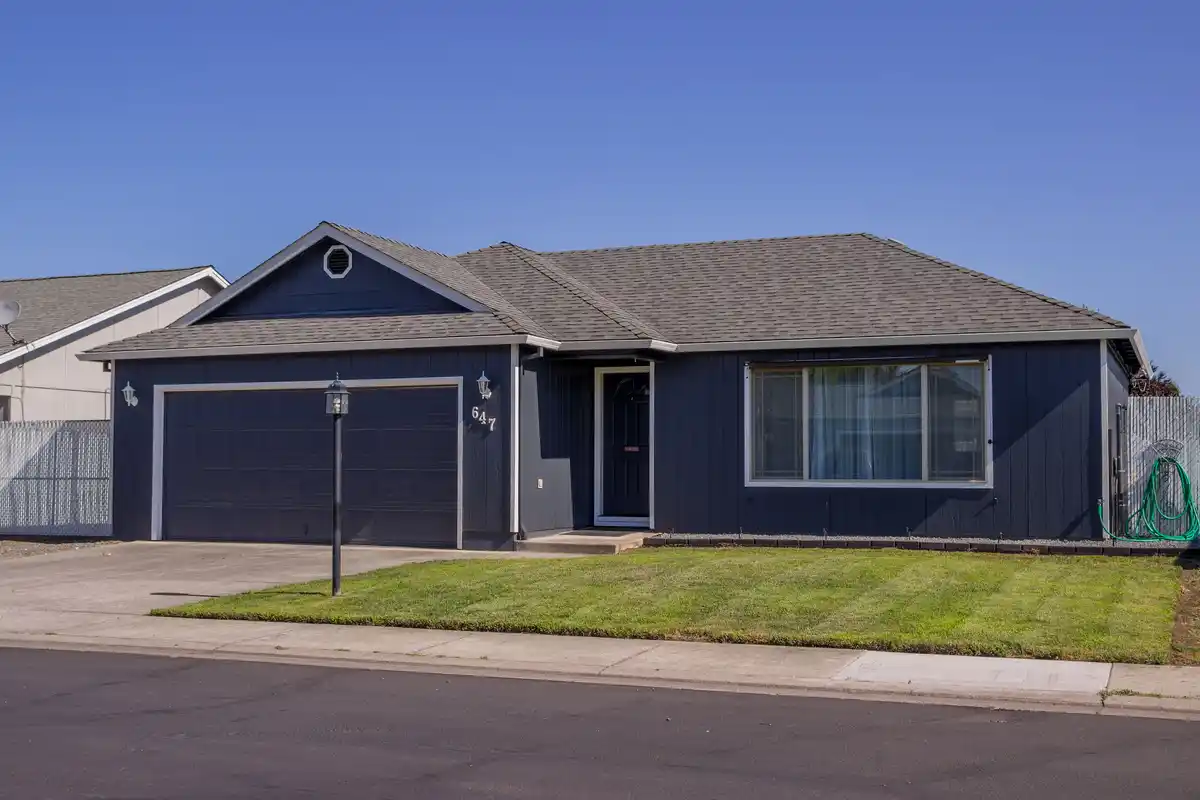
Comments on this guide to How stucco repair protects homes during ADU construction article are welcome.
ADU Architecture Design

ADU Architectural Design
Select How prefab ADU redefines backyard architecture
How prefab ADU redefines backyard architecture

Find the right Santa Barbara ADU builder

+++
Home
Residential Property Articles
ADU = Accessory Dwelling Unit
Comments / photos for the How stucco repair protects homes during ADU construction help guide page welcome.