
Designing a Home for Modern Living
28 November 2025
Building a home is one of the biggest decisions you will ever make. It is exciting, overwhelming, and deeply personal all at once. Whether you are starting from scratch or reimagining an existing space, designing a home for modern living requires careful thought. You want something that looks beautiful, works for your lifestyle, and stands the test of time.
Let me walk you through the essential elements that make a modern home truly functional and comfortable.
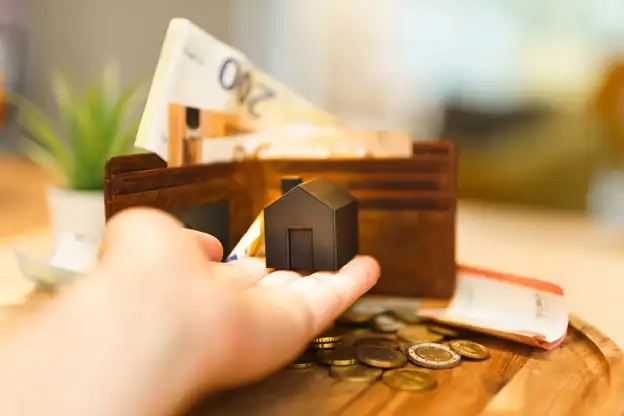
image source : unsplash.com
Understanding Your Vision and Budget
Defining Your Lifestyle Needs
Before you pick paint colours or browse furniture, take a step back. Think about how you actually live. Do you work from home? Do you love hosting dinner parties? Are kids or pets part of the picture?
Your home should reflect your daily routines and future plans. Make a list of must-haves versus nice-to-haves. Maybe a spacious kitchen matters more than a formal dining room. Perhaps you need a quiet study nook more than a guest bedroom. Being honest about your priorities early saves headaches later.
Financial Planning for Your Project

image source : unsplash.com
Here is the truth nobody loves hearing. Budget matters more than anything else. You can have the grandest vision, but without solid financial planning, it stays just that—a vision.
Start by understanding what you can realistically afford. This means looking beyond the building cost to include permits, landscaping, interior finishes, and a contingency fund for surprises. Trust me, surprises always pop up.
Working with a financial expert makes this process smoother. A Best mortgage broker in Melbourne can help you understand your borrowing capacity and find loan options that suit your situation. Getting pre-approval early gives you clarity and confidence as you move forward with your design plans.
Prioritising Functional Layouts
Open Plan Living Considerations
Open plan living remains popular for good reason. It creates a sense of spaciousness and allows families to stay connected. The kitchen flows into the dining area, which opens to the living room. Everyone can be together even while doing different things.
But open does not mean chaotic. You still need defined zones. Use rugs, lighting, or furniture placement to create subtle boundaries. This way, the space feels organised without walls boxing you in.
Private Spaces and Retreats
While togetherness is wonderful, everyone needs a place to escape. Bedrooms should feel like sanctuaries, positioned away from noisy communal areas. Think about morning routines and evening wind-downs when planning their location.
If you work from home, your office needs careful placement too. A spot with natural light and minimal foot traffic helps you stay focused and productive.
Integrating Technology and Entertainment Spaces
Smart Home Foundations
Modern homes and technology go hand in hand. But here is my advice—plan your tech infrastructure during the design phase, not after.
Think about smart lighting, climate control, and security systems. These features add convenience and efficiency to everyday life. More importantly, ensure your home has robust wiring and network capabilities. Running cables through finished walls is expensive and messy. Future-proofing now saves money and frustration down the road.
Dedicated Entertainment Areas
image source : unsplash.com
Entertainment has evolved beyond a television in the corner of the living room. Today, homeowners want immersive experiences right at home. A dedicated media room offers a space for movie nights, gaming sessions, or watching the big game with friends.
Getting this right involves more than buying a big screen. Room placement, acoustics, seating layout, and lighting control all play a role. Working with a specialist like a home cinema Melbourne provider ensures your setup delivers professional-grade quality. They handle the technical details so you simply enjoy the experience.
Sustainable Design Elements
Energy Efficiency Features
Sustainability is not just a buzzword. It is a smart investment. Energy-efficient homes cost less to run and feel more comfortable year-round.
Start with good insulation and quality glazing. These keep your home warm in winter and cool in summer without overworking your heating and cooling systems. Passive solar design—orienting your home to capture natural warmth—adds another layer of efficiency.
Solar panels and battery storage are worth considering too. The upfront cost pays off through lower energy bills and reduced reliance on the grid.
Material Selection
The materials you choose impact both the environment and your daily life. Opt for durable, low-maintenance options where possible. Locally sourced materials reduce transportation emissions and often suit the local climate better.
Recycled and renewable materials are increasingly available and stylish. From reclaimed timber flooring to recycled steel frames, sustainable choices no longer mean compromising on aesthetics.
Indoor-Outdoor Connections
Seamless Transitions
Modern living blurs the line between inside and outside. Large sliding doors that open to alfresco areas create a seamless flow. Your living space suddenly feels twice as big.
Think about how your landscaping integrates with the architecture. A well-designed outdoor area becomes an extension of your home, perfect for relaxing or entertaining.
Natural Light Maximisation
Never underestimate the power of natural light. It transforms how a space feels, making rooms appear larger and more inviting. Strategically placed windows and skylights reduce the need for artificial lighting during the day.
Beyond practicality, natural light boosts mood and wellbeing. A bright, airy home simply feels better to live in.
Conclusion
Designing a home for modern living is about more than aesthetics. It is about creating a space that supports how you live today and adapts to how you might live tomorrow. Start with a clear vision and realistic budget. Prioritise layouts that balance togetherness with privacy. Embrace technology and entertainment features that enhance daily life. Choose sustainable options that benefit both your wallet and the planet. And never forget the magic of connecting indoor and outdoor spaces.
Take your time, consult professionals where needed, and enjoy the journey. After all, you are not just building walls and roofs. You are creating a place to call home.
Frequently Asked Questions
What should homeowners prioritise when designing a new home?
Focus on budget, lifestyle needs, and functional layout first. These foundations shape every other decision. Get the basics right, and the details fall into place more easily.
How important is technology integration in modern home design?
Very important. Planning for smart systems and entertainment spaces during construction saves money and hassle. Retrofitting technology into a finished home is always more complicated and costly.
What makes a home design sustainable?
Sustainability comes from energy-efficient features like insulation, solar panels, and passive design. Material choices also matter—opt for durable, locally sourced, or recycled options where possible.
How can I make the most of a smaller home design?
Prioritise open layouts, multifunctional furniture, and smart storage solutions. Maximising natural light also helps smaller spaces feel larger and more comfortable.
Comments on this guide to Designing a home for modern living for Melbourne, Victoria, Australia, article are welcome.
Melbourne Architectural Designs
Buildings in Melbourne
New Melbourne Buildings : current, chronological list
++
Building Articles
Residential Architecture

Comments / photos for the Designing a home for modern living advice page welcome


