
Exterior Maintenance 101: A Guide for New Homeowners
30 June 2026
Buying a home brings a lot of excitement and new responsibilities. Home ownership means taking care of the property inside and out. You must watch for wear and tear on every part of the building. Vigilance keeps your living space safe and secure.
Neglecting the exterior can lead to major repair bills later on. Regular checkups protect your investment year after year. Simple tasks prevent minor issues from turning into disasters. A small amount of work now saves time later.
Start With A Solid Evaluation
Walk around your property with a notebook every spring. Look for signs of wear on every surface of the house. Small problems can grow into giant headaches if you ignore them for months. Early detection is the secret to low-cost home care.
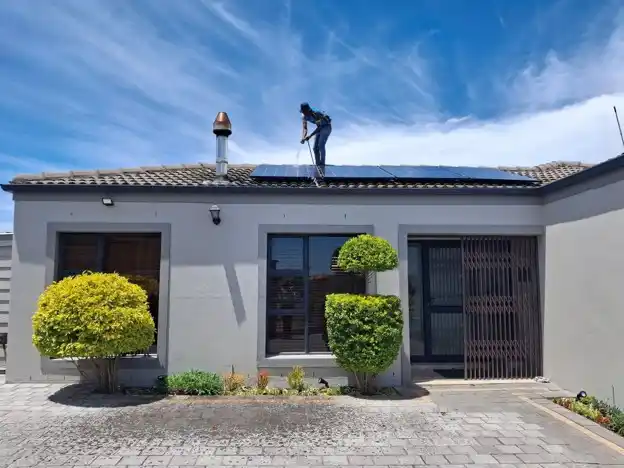
Homeowners often overlook subtle signs of damage on their roofs. Scheduling a professional residential roof repair keeps minor leaks from ruining your ceilings. Catching structural issues early saves thousands of dollars in long-term costs.
Check the foundation for any new cracks or shifting soil. Write down every area that needs immediate attention from a contractor. You can prioritize tasks based on safety and your current budget.
Track Exterior Renovation Trends
Many people choose to update their properties soon after moving into a neighborhood. Upgrades can fix hidden structural issues or improve the look of the house. Planning the projects requires a clear understanding of current housing data. Learning about what others do can guide your decisions.
A popular home improvement publication shared that 44% of homeowners renovating their exteriors upgraded their roofing. The statistic shows how many individuals prioritize upper structure protection during updates. Investing in these materials provides peace of mind for decades.
Your roof guards the rest of the house against severe weather conditions. Upgrading early prevents structural rot in the wooden walls. Look at your savings to see if an upgrade fits your current plans.
Know Your Roof Lifespan
Different building materials last for varying lengths of time on a house. Knowing the timelines helps you save money for future replacements. You will not face surprise expenses if you plan for major updates. Every material has a specific expiration date.
A trusted DIY magazine states that standard asphalt shingles provide about 20 years of reliable service. Tracking the age of your current materials helps predict when a replacement becomes necessary. Homes with older materials require more frequent inspections to spot weak areas.
Heavy storms can shorten the expected lifespan of any roofing material. Check old real estate files to find out when the previous owner last updated the area. This information gives you a clear timeline for your maintenance calendar. Keeping good records prevents unexpected structural failures.
Keep Gutters And Channels Clear
Water remains the biggest enemy of a stable home structure. Channels must direct heavy rainfall away from your foundation. Blocked paths cause pooling that threatens the safety of your property. Proper water management keeps your basement dry.
An article from a popular lifestyle network warns that failing to clean gutters can divert water into your ceilings, walls, and windows. Moisture causes wood rot and expensive mold growth indoors.
Clear out leaves and twigs after autumn ends. Put on thick gloves and use a sturdy ladder for your safety. Scoop the debris into a plastic bucket to keep your lawn clean. Regular clearing prevents ice dams in the cold winter months.
Protect Exterior Siding Surfaces
Siding protects your home from wind, rain, and insects throughout the year. Different types of siding require unique cleaning methods. Regular washings remove dirt that traps damaging moisture against the wood. Clean walls keep the property looking fresh.
- Scrub away green algae patches with mild dish soap.
- Repair loose panels before high winds pull them away.
- Seal gaps around windows with outdoor-grade caulk.
- Paint wooden elements to prevent rot from rain.
Look for pest damage along the lower edges of the walls. Termites and carpenter ants love soft, damp wood. Call a professional inspector if you notice small holes or fine wood dust.
Maintain Your Paths And Driveway
Concrete and asphalt paths crack from changing temperatures. Freezing water expands inside small spaces and breaks the material apart. Sealing surfaces extends their usability by many years. Smooth paths improve the safety of your yard.
Pull weeds that grow through the pavement gaps. Roots can push concrete slabs upward and create tripping hazards. Sweep the walkways regularly to keep debris from staining the surface.
Apply a fresh layer of sealant every 3 years. The protective coating blocks oil stains and water penetration. Your driveway will look neat and last much longer. Regular coating saves you from expensive repaving jobs.
Taking care of your exterior protects your comfort and your wallet. Setting a regular schedule makes tasks manageable for any new homeowner. Consistency turns overwhelming chores into simple habits.
Small efforts today prevent major structural issues tomorrow. Stay observant and tackle repairs quickly to enjoy your property for years to come. Your home will remain a haven for your family.
Comments on this guide to Building exterior maintenance 101: new homeowners advice article are welcome.
Architecture Articles

Architecture
++
Building
Recently added Building posts
Restoring Home Without Losing Character
How Field Service Software Streamlines Site Inspections
Window Shutters in Contemporary Residential Architecture
Comments / photos for the Building exterior maintenance 101: new homeowners help guide page welcome.


