Stop Ignoring Your Under-Stair Space – 3 Clever Tips to Make Use of It
6 July 2026
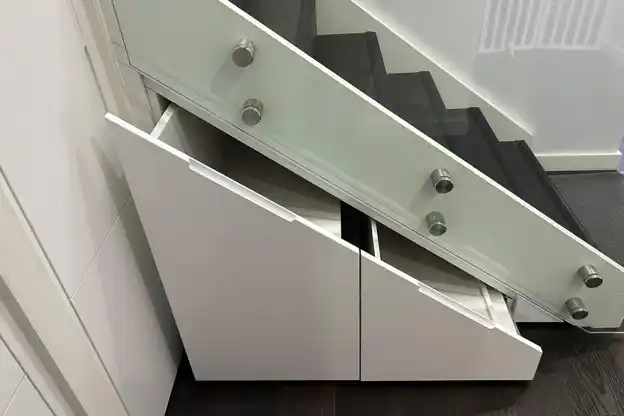
Many Sydney homeowners spend years trying to solve the same storage problem. They buy another cabinet, add a shelf in the laundry, clear the hallway over the weekend, and still find the same things back on the floor by midweek. Shoes gather near the door, school bags sit by the stairs, and everyday items keep moving around because they never had a proper place to begin with.
A big part of the issue is how homes have changed. Many older Sydney properties, townhouses, and compact apartments were designed before modern households needed space for work items, school gear, sports equipment, cleaning products, and everything else that supports a busy routine.
Professional built-in wardrobes and custom furniture specialists often suggest that there are quite a few ways to make better use of the space you already have. One of the simplest places to start is the area below the stairs. It may look awkward at first, but with the right planning, that space can become a useful storage zone, a small study nook, or a more organised entryway.
Today, we will look at three practical ways to reimagine your under-stair space and make your home feel easier to live in.
Build Shelving That Suits the Shape of the Space
Open shelving can work beautifully under a staircase because the shape of the space already creates natural levels. The taller end can hold books, storage baskets, art supplies, or larger household items. The lower end can be used for smaller objects, children’s books, framed photos, plants, or pieces you want to display.
Why this idea works
Open shelving gives the space a clear purpose without making it feel heavy. It can be practical, decorative, or a mix of both, depending on your home.
For families, it can hold books, games, school materials, and hobby items. For design-conscious homeowners, it can become a styled feature that adds warmth to the room. It is also a good option when you want storage without closing off the area completely.
Tips for getting under-stair shelving right
- Match shelf depth to what you store: Deep shelves suit baskets and larger items, while shallow shelves work better for books, decor, and smaller pieces.
- Use the lower end wisely: The shortest part of the recess is ideal for small items, display pieces, or storage baskets that do not need much height.
- Mix open storage with a few closed sections: A couple of drawers or cabinet doors can hide items that look messy on display, such as chargers, paperwork, toys, or spare household supplies.
- Think about lighting: Under-stair spaces can look dark, especially in hallways. Small strip lights or warm shelf lighting can make the area feel more finished.
Use Concealed Cabinets to Keep Everyday Clutter Out of Sight
Open shelving is not the right answer for every home. Some homes need storage that hides the mess rather than displays it. If your under-stair area is near the main hallway, living room, or entry, concealed cabinets can make the space feel much calmer.
Closed storage works well for the things that do not need to be seen every day. Shoes, umbrellas, bags, cleaning products, spare linen, pet items, sports gear, and shopping bags can all be stored behind doors. The result is a cleaner entryway and less visual clutter in the parts of the home people use most.
The layout inside the cabinets should follow your routine. Here are a few tips to organise it smartly:
- If the staircase is near the front door, lower drawers can hold shoes, while hooks or taller sections can store bags and jackets.
- When the staircase is near your kitchen or laundry, a tall cupboard can be useful for mops, brooms, a stick vacuum, and spare or boxed cleaning supplies.
- Last, if the home is short on general storage, the space can be divided into shelves and drawers for linen, seasonal items, or household extras.
Create a Compact Study, Reading, or Entryway Nook
The space under the stairs does not always need to become a cupboard. In many compact homes in Sydney, Liverpool and surrounds, it can work better as a small functional zone that supports daily life.
The right use depends on where the staircase sits and what your home is currently missing – here are a few functional ideas:
Use it as a focused desk nook
If the taller end of the staircase has enough headroom, it can work well as a compact desk area. This is useful for the jobs that do not need a full home office, such as checking emails, managing bills, sorting school notes, planning the week, or keeping a laptop and charger in one place.
A few practical details make this kind of nook much easier to use:
- Add a power point before the joinery goes in.
- Keep the desk surface deep enough for a laptop and notebook.
- Use shelves above for files, baskets, or books.
- Add a small drawer so the surface does not become messy.
- Include task lighting because stair recesses can feel dim.
Turn it into a homework or reading corner
For families, the space can become a small homework zone that keeps schoolwork away from the dining table. This works especially well when the staircase is close to the living room or kitchen, because children can work nearby while adults are still around.
The setup does not need much. A small desk, shelves for readers and exercise books, a pinboard for notes, and one drawer for pencils and chargers can make the space feel organised without taking over the room.
Make it an entryway station
When the stairs sit close to the front door, the under-stair area can become one of the most useful parts of the home. This is where people naturally drop shoes, bags, keys, umbrellas, dog leads, and school items, so the storage should match that routine.
A practical entry station might include a small bench for putting shoes on, drawers for everyday items, and an overhead cupboard for seasonal supplies you do not need every day. It can also include a small tray or shallow drawer for car keys, sunglasses, wallets, and mail.
This kind of setup takes pressure off bedroom storage too. Even homes with built-in wardrobes often need a separate place for the things used on the way in and out of the house, such as coats, gym bags, sports shoes, rain jackets, and everyday shoes. Keeping those items near the entry makes more sense than carrying them through the home and storing them in bedrooms.
Let Experts Make the Most of the Space You Already Have
In general residential architecture, under-stair space is easy to ignore because it rarely looks useful at first glance. The angles are uneven, the height changes, and standard furniture often struggles to fit. However, with proper planning and support from local wardrobe designers and custom furniture makers, those same awkward qualities can become an advantage because the space can be shaped around a very specific purpose.
If you are renovating, updating an older Sydney home, or simply tired of a space that is not supporting your storage needs, the area beneath your staircase is a reasonable place to start. Speak with a wardrobe specialist near you and explore what is actually possible with your space.
Comments on this guide to Large home interior design costs article are welcome.
Home Furniture
Home Furniture Design
How high-quality furniture adds property value
Home built-in furniture design

++
Property Articles
Residential Architecture
Comments / photos for the Under-Stair Storage Ideas, Custom Wardrobe Design, Home Improvement Tips advice page welcome.