What Makes a Neighborhood Feel Safe Even When the Numbers Look Similar
June 18, 2026
Many people begin their search for a new neighborhood by looking at crime statistics. Online tools and local reports make it easy to compare areas and see how they rank according to various measurements. These numbers can provide useful information and help create an initial impression of a community.
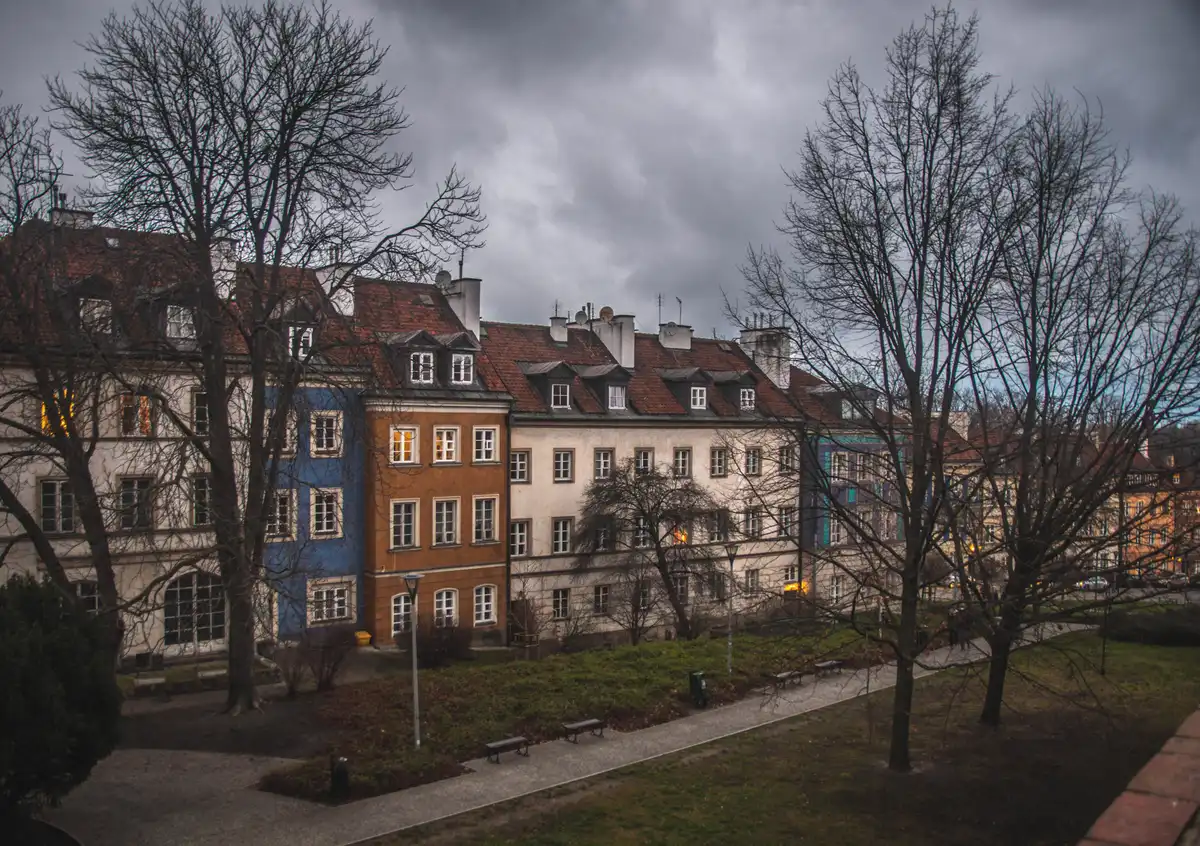
Yet residents often describe neighborhoods with similar crime rates very differently. One area may feel welcoming and comfortable, while another with nearly identical statistics may leave visitors feeling uneasy. This difference can be surprising for people who expect the numbers alone to tell the entire story.
When comparing the safest neighborhoods in Fort Worth, many homebuyers discover that safety involves more than statistics. Everyday experiences, community involvement, neighborhood design, and local amenities all contribute to how secure people feel when they live, work, and spend time in a particular area.
When Neighbors Know One Another
A strong sense of community often plays a major role in how safe a neighborhood feels. Residents who know their neighbors are more likely to notice unusual activity, share information, and look out for one another. These informal connections can create a stronger sense of security.
Neighborhood events, local organizations, and community gatherings help build these relationships over time. Whether people meet at seasonal events, volunteer projects, or local meetings, those interactions can strengthen trust among residents and encourage greater involvement in the area.
Connected communities often feel different from places where residents rarely interact. People tend to feel more comfortable when they recognize familiar faces and know there are others nearby who care about the neighborhood. That sense of awareness can influence perceptions of safety just as much as statistical data.
The Environment Shapes Daily Impressions
The physical appearance of a neighborhood can have a significant effect on how people feel when they spend time there. Well-maintained homes, clean public spaces, and attractive landscaping often create a sense of pride and stability that residents and visitors notice immediately.
Lighting also plays an important role. Streets, sidewalks, and public areas that are properly illuminated can help people feel more comfortable during evening hours. Poor visibility, on the other hand, may make even relatively safe areas feel less welcoming after dark.
Small environmental details often influence perceptions more than people realize. Graffiti, neglected properties, litter, or poorly maintained public areas can affect how an area feels. In contrast, neighborhoods that receive consistent care often project a stronger sense of order and security.
Daily Activity Creates Different Experiences
Traffic patterns can greatly influence how people experience a neighborhood. Some residents prefer quiet streets with limited vehicle traffic, while others appreciate areas with more activity and people moving throughout the day. Neither approach is necessarily better, but each creates a different atmosphere.
Pedestrian activity can also affect perceptions of safety. Seeing people walking dogs, exercising, visiting local businesses, or spending time outdoors often gives neighborhoods a more active and connected feel. Areas with little visible activity may feel very different despite having similar crime statistics.
The rhythm of daily life matters. A neighborhood that feels comfortable during the afternoon may feel different late at night. Observing how an area functions throughout the day can provide valuable insight that cannot always be captured through numbers alone.
Families Often Look Beyond Crime Statistics
For many households, evaluating a neighborhood involves much more than reviewing safety data. Schools, parks, libraries, healthcare facilities, and local services all influence quality of life. These features often shape long-term satisfaction with a community.
Parks and recreational areas provide opportunities for families to spend time outdoors and interact with neighbors. Strong schools can attract long-term residents who invest in the community. Local amenities often contribute to a sense of stability that people value when choosing where to live.
Many residents ultimately judge a neighborhood based on how well it supports their daily needs. While crime statistics remain important, people often consider a broader range of factors when deciding whether an area feels like the right fit for their family.
Looking Beyond the Numbers
Crime statistics provide useful information, but they rarely tell the entire story of a neighborhood. The way people experience a community is influenced by many factors that cannot always be measured through data alone. Personal observations often reveal details that numbers miss.
Community involvement, neighborhood maintenance, daily activity, and local amenities all contribute to how safe an area feels. These elements help shape residents’ experiences and can explain why two neighborhoods with similar statistics may leave very different impressions.
Anyone comparing communities should consider both objective data and firsthand observations. Visiting an area, speaking with residents, and paying attention to everyday conditions can provide valuable context. The most complete picture often comes from combining the numbers with real-world experience.
Comments on this guide to What Makes a Neighborhood Feel Safe Even When the Numbers Look Similar article are welcome.
Building Design
Property Articles
Design: sculpture by Gerry Judah

photo : Dan Sellers
DRIFT, Dallas, Texas sculpture by Gerry Judah
Design Architect: Schmidt Hammer Lassen Architects

image © Schmidt Hammer Lassen Architects
Commonwealth Pier Boston
Sustainable Architecture Design
Comments / photos for the What Makes a Neighborhood Feel Safe Even When the Numbers Look Similar page welcome