
Beyond the Sketchpad: Streamlining Modern Architectural Layouts
13 June 2026
Every architect knows that the opening weeks of any spatial project are usually the most labor-intensive. Turning a client’s loose ideas or an initial on-site sketch into a precise, working blueprint takes days of repetitive CAD drafting. While the creative side of architecture gets the spotlight, the reality of running a firm involves spending hundreds of hours tweaking dimensions, fixing misalignments, and moving walls back and forth.
Today, a practical shift is happening as cloud computing and intelligent automation move into mainstream design studios. Instead of replacing the designer, these tools are absorbing the friction of low-level drafting, fundamentally changing how a professional floor plan is built, tested, and finalized.
The Real-World Friction in Traditional Space Planning
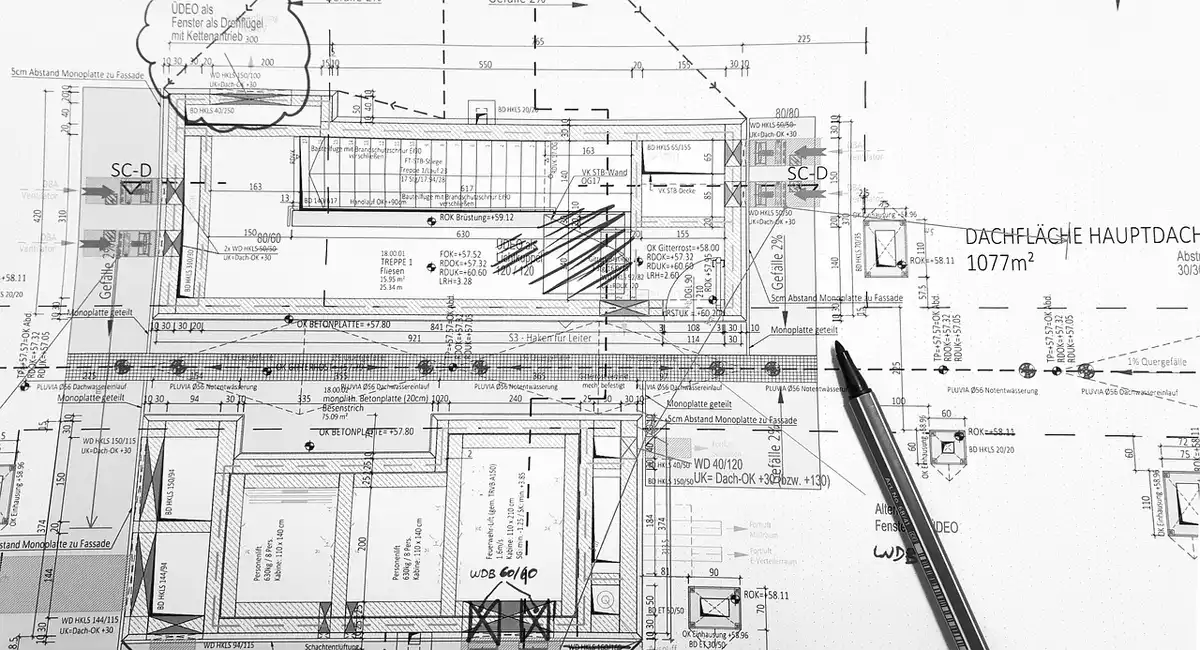
In a standard project lifecycle, design is rarely a straight line. It is a slow loop of feedback and manual correction. A minor late-stage request from a client or an unmapped structural column found during a site inspection can derail a week’s worth of work.
For most boutique firms and independent designers, the traditional reliance on purely manual drafting creates distinct operational bottlenecks:
- The Billable Hour Trap: Spending excessive time on early-stage layouts eats into a firm’s margins and limits the number of projects a small team can realistically manage at once.
- Slow Feedback Loops: When a client asks for variations, they often have to wait days for the drafting team to rebuild the CAD files, cooling down the momentum of the deal.
- Drafting Fatigue and Errors: Manually scaling and updating blueprints across multiple sections increases the risk of basic calculation mistakes—errors that become incredibly expensive once construction starts.
- Lost Creative Time: When qualified architects spend their afternoons checking local door-clearance compliance or re-drawing corridors, they are not focusing on site integration, material sustainability, or spatial experience.
Breaking Down Automated Workflows in Modern Design
The newer generation of layout tools focuses on speed and data integration rather than trying to mimic human creativity. By processing vast libraries of standardized building dimensions, structural logic, and spatial flow rules, software can now handle the heavy lifting of geometric calculation in seconds.
We can look at how this cuts down drafting time across three core areas:
1. Paper-to-Vector Digitization
Most renovation projects start with messy inputs: old paper blueprints, flattened PDFs from the 1990s, or quick hand sketches drawn on-site. Traditional CAD setups require an assistant to trace over these files manually to create a usable base layer. Modern vision algorithms can read these legacy documents, identify where the load-bearing walls, windows, and entryways are, and instantly convert them into clean, editable vector lines.
2. Generative Layout Testing
Instead of drawing three different layout options by hand, designers can now use generative parameters to test dozens of options simultaneously. By setting basic boundary constraints—such as maximizing daylight in the primary living zone or keeping plumbing lines clustered near a central core—the system can instantly present multiple compliant configurations, letting the designer choose the best structural narrative.
3. Instant Regulatory Checkups
Keeping up with local building codes, fire exit widths, and zoning laws usually requires constant cross-referencing. Smart space-planning platforms build these parameters directly into the digital canvas. If a corridor is drawn too narrow for commercial fire codes, or a room lacks the required window-to-floor ratio, the system flags the issue instantly, long before the plans are sent to local authorities for approval.
Broadening Access Across the PropTech Sector
This shift toward faster, automated layout generation is changing things outside of traditional architecture firms as well. The broader property technology (PropTech) landscape relies heavily on quick spatial visualization, and simpler, faster tools are opening up new workflows for adjacent industries:
- Real Estate Listings: Brokers can take poorly laid out, outdated properties and instantly show buyers the potential of an open-concept renovation, making the property significantly easier to market.
- Interior Design Consultations: Independent decorators can sit down with a client during their very first meeting and cycle through structural options live, closing deals in hours rather than weeks.
- Commercial Asset Management: Facility managers can update office floor plans on the fly to adapt to flexible hybrid teams or retail zoning shifts without needing a dedicated CAD department.
The Shift Toward Intent-Driven Architecture
Looking closely at where the industry is heading, the role of the draftsman is evolving into that of a curator. Architecture is moving away from the slow process of drawing lines manually and moving toward a system of setting rules, reviewing options, and refining data.
studios that adopt automated layout engines into their daily production pipelines can handle a much higher volume of work while stripping out human math errors. By letting cloud networks handle the repetitive geometry, designers get to spend their energy on what actually matters: building better, more thoughtful human spaces.
Comments on this guide Beyond the Sketchpad: Streamlining Modern Architectural Layouts for Homeowners article are welcome.
Home Floor Plan

House Floor Plans and Designs
Top 5 flooring trends for 2026
++
Home Articles
Residential Architecture
Comments / photos for the Beyond the Sketchpad: Streamlining Modern Architectural Layouts advice guide page welcome.


