How Casino Resorts Influence Modern Entertainment Architecture
29 June 2026
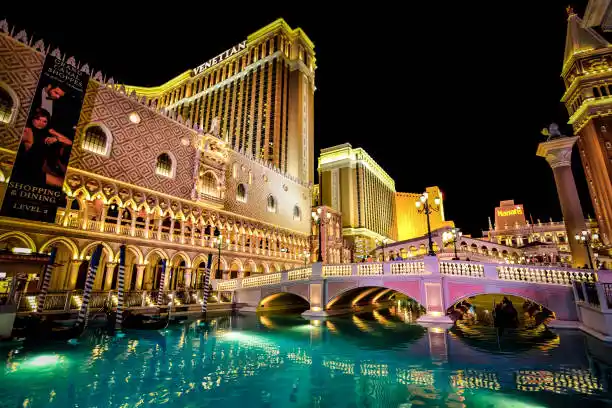
Entertainment architecture has changed dramatically over the past few decades. Venues are no longer designed only as places to watch a show, book a room or enjoy a meal. They are planned as immersive destinations where hospitality, retail, performance, leisure and digital engagement work together. Casino resorts have played a major role in shaping this shift, especially in how architects think about movement, atmosphere and multi-use design.
Destination design is built around experience
A successful entertainment venue begins with a simple question: what should visitors feel as they move through the space? In casino resort design, the answer is rarely limited to one function. Guests may arrive for dining, concerts, accommodation, shopping, gaming floors, spa facilities or conference events. The building has to support all of these uses while still feeling coherent.
This has influenced broader hospitality and entertainment architecture. Large hotels, lifestyle precincts and mixed-use developments now borrow many of the same planning ideas. Instead of treating each function as separate, designers create layered experiences where one area flows naturally into the next.
A visitor might enter through a dramatic lobby, pass a restaurant frontage, see a performance space nearby and continue into a landscaped outdoor terrace. The journey becomes part of the venue’s identity. This is why circulation, lighting and sightlines matter so much. They do not simply move people from point A to point B, they help set the mood.
Key design priorities often include:
- Clear pathways between major attractions
- Strong visual anchors such as atriums, staircases or public art
- Seamless transitions between indoor and outdoor areas
- Flexible spaces that can support events, dining and private functions
- Distinct zones that still feel connected to the wider resort
Architecture supports entertainment beyond the gaming floor
While casino resorts are associated with gaming, their architectural influence reaches far beyond that area. Many of the most recognisable resort features are hospitality-led, from grand arrival zones and theatre-style venues to rooftop bars, luxury retail arcades and waterfront promenades.
This approach is now common in entertainment precincts across Australia and overseas. A modern venue is expected to offer variety. People may come for one reason but stay because the building gives them several ways to spend their time. This is similar to how shopping centres evolved into lifestyle destinations with cinemas, food halls, fitness spaces and pop-up events.
The digital world has also reshaped expectations. Users are now familiar with smooth journeys across apps, streaming platforms and booking systems. That sense of choice carries into physical spaces. A person exploring a hospitality precinct may expect the same clarity and ease they experience when browsing travel platforms, event listings or even casino online australia options from home. Architecture responds by making spaces more intuitive, flexible and responsive to different visitor behaviours.
For designers, the challenge is balance. A resort should feel exciting without becoming confusing. It should offer spectacle without overwhelming the guest. Good entertainment architecture uses scale carefully, allowing visitors to experience dramatic moments while still feeling oriented and comfortable.
Light, sound and material choices shape mood
Casino resort architecture often relies on sensory design. Lighting, acoustics, ceiling height, texture and colour all contribute to the overall experience. These elements are now widely used in restaurants, boutique hotels, cinemas, theatres and cultural venues.
Lighting is especially important. Soft lighting can make a lounge feel private and relaxed, while brighter directional lighting can guide people toward entrances, lifts or dining areas. In performance spaces, lighting must support technical needs while still contributing to the architectural character of the venue.
Materials also play a role in storytelling. Stone, brass, timber, glass and fabric can signal luxury, warmth or energy depending on how they are used. In coastal or urban Australian projects, designers may draw on local conditions by using natural textures, open terraces and shaded outdoor areas. These choices help a large entertainment venue feel connected to place rather than appearing generic.
Sound design is just as valuable. Open-plan hospitality spaces can quickly become uncomfortable if noise is not managed well. Acoustic treatments, ceiling forms, soft furnishings and spatial separation help create zones where people can dine, talk, queue or watch performances without competing sound levels.
Mixed-use planning creates longer visitor journeys
One reason casino resorts have influenced modern architecture is their ability to extend the visitor journey. Traditional single-purpose venues often depend on a fixed time window. A theatre fills before a show and empties afterwards. A restaurant peaks around lunch or dinner. A hotel lobby is busiest during check-in and check-out.
Mixed-use entertainment design smooths these peaks by giving visitors multiple reasons to stay. A guest may attend a conference in the morning, meet friends for lunch, browse retail stores, watch a show at night and return to the hotel without leaving the precinct. This planning model has become valuable for developers because it supports stronger foot traffic throughout the day.
Architecturally, this requires careful zoning. Back-of-house operations, deliveries, guest circulation, staff routes and security all need to work behind the scenes. The public may experience the resort as effortless, but that ease depends on detailed planning.
Important mixed-use design considerations include:
- Separating private hotel areas from public entertainment zones
- Managing crowd movement during peak event periods
- Creating food and beverage spaces that suit different times of day
- Designing entrances that support taxis, rideshare, pedestrians and parking
- Allowing future upgrades without disrupting the entire precinct
Flexibility is particularly important. Entertainment habits change quickly. A venue that once relied on formal dining may later need casual food halls, hybrid event spaces or immersive digital installations. Buildings that can adapt are more likely to remain relevant.
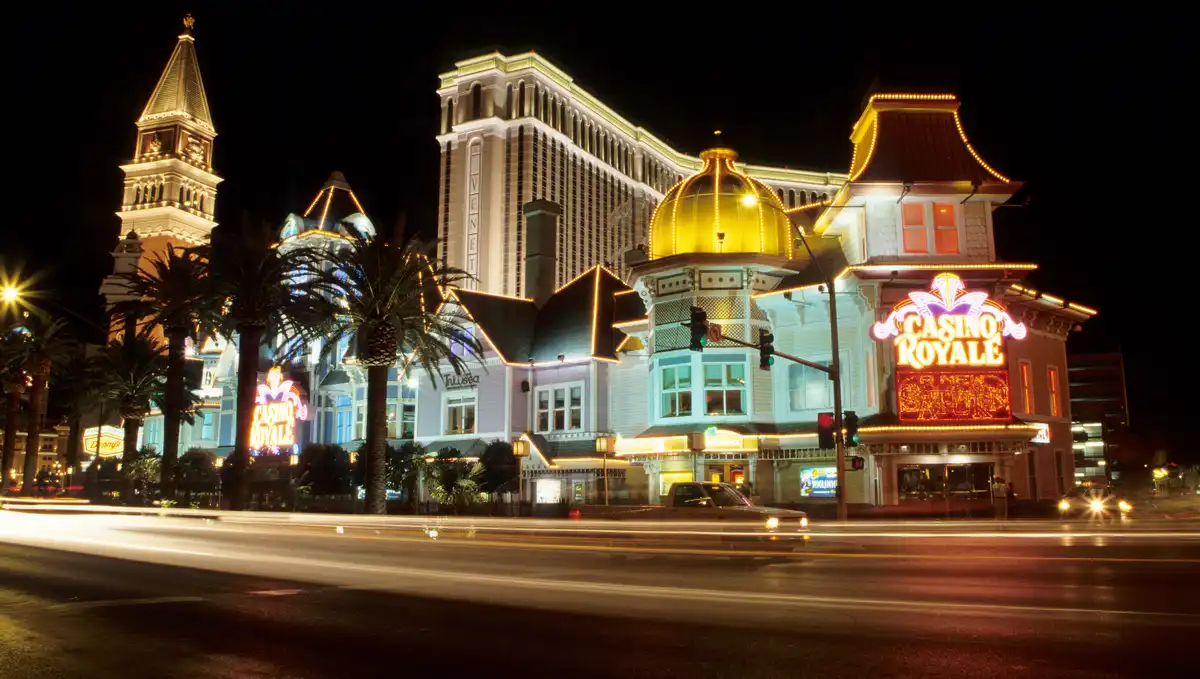
Resort architecture increasingly connects with the city
The most successful entertainment resorts do not operate as isolated boxes. They connect with streets, waterfronts, public transport and surrounding neighbourhoods. This is a major change from older inward-facing models where the building’s energy was contained almost entirely inside.
Modern projects often use transparent frontages, outdoor dining, public plazas and landscaped edges to create a stronger relationship with the city. This makes the venue feel more accessible and helps it contribute to the urban environment. For architects, the resort becomes part of a larger civic conversation rather than a standalone commercial object.
This matters in Australia, where climate and lifestyle encourage indoor-outdoor movement. Shaded terraces, open-air bars, garden walkways and water views can turn a large venue into a more relaxed and locally responsive destination.
The lasting impact on entertainment design
Casino resorts have influenced entertainment architecture by showing how multiple experiences can exist within one carefully planned destination. Their impact can be seen in hotels, retail precincts, theatres, restaurants and mixed-use developments that prioritise atmosphere, movement and flexibility.
For architects and developers, the lesson is not simply to build bigger. It is to design places that feel intuitive, adaptable and memorable. When entertainment architecture works well, visitors do not only remember what they did there, they remember how the space made the whole experience feel.
Comments on this guide to How Casino Resorts Influence Modern Entertainment Architecture article are welcome.
Buildings
Contemporary Property Articles – recent architectural selection from e-architect below:
London Architecture Designs – chronological list
Comments / photos for the How casino resorts influence modern entertainment architecture – modern gaming environment page welcome.