
How Casino Architecture Shapes the Gaming Environment
22 December 2025
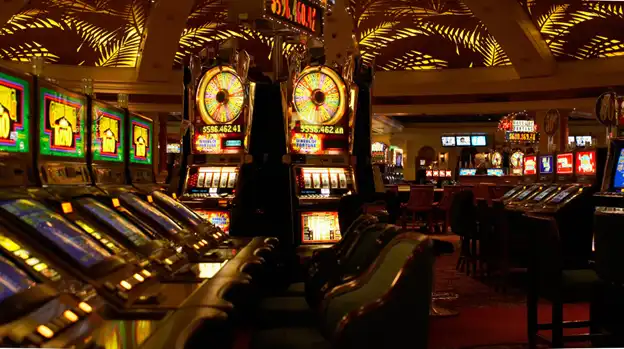
Source: Canva Editor
Iconic rooftops, endless neon, and those famously windowless halls, nothing in casino architecture is left to chance. Since the 1980s, designers have tinkered with floor plans, materials, even the play of light and sound, in hopes of keeping folks on the floor, chips in hand. Numbers prove it works: research from Neurotectura shows well-crafted environments can boost how long someone stays by 20% or more.
You’ll rarely spot a clock. Outdoor views and anything resembling a direct exit path mostly vanish in these places. Even in the digital age, online casino sites mimic brick-and-mortar strategies, using bold colors, intuitive navigation, and layered sound to cultivate that high-energy mood the industry is known for.
Maze-like casino layouts and circulation
Walk into a casino and you’ll sense it right away: exits aren’t obvious. There’s a controlled unpredictability, a gentle bewilderment, to how you move around. Designers carefully avoid straight paths, using twists and curves to keep you wandering. Vita Magazine’s 2024 study claims that upwards of 80% of traditional casinos design their space to steer players past dozens of games and distractions before they find a bar or restroom.
Slot machines and green-felt tables double as both roadblocks and attractions, manipulating movement and nudging people into spur-of-the-moment bets. Sightlines rarely open onto the street or a visible exit, making it easy to lose sense of direction. It’s not about completely confusing you, though; it’s about catching your attention and, bit by bit, stretching your time inside.
All of this comes straight from Friedman’s classic casino playbook: narrow aisles, lower ceilings, snaking corridors that shrink the world down until you’re thinking only about what’s at arm’s reach. It seems that in both the physical and, increasingly, the online casino realm, the architecture behind the environment can dictate not just player behavior, but the very duration and intensity of play.
Engineering time and sensory immersion
Walking the casino floor, you quickly forget what hour it is. No clocks. Barely a glimpse of outside. That when clocks and windows vanish, players tend to slip into “timeless” play, spending as much as 50% longer at the tables or machines.
The soundtrack matters too: layers of music and the clatter of jackpots build a never-ending rhythm. Lighting doesn’t just brighten the room; it soothes and stimulates in careful doses. Most spaces glow with warm comfort, but key gaming zones pop with color and motion.
Designers gravitate toward reds and golds for gambling areas, linking the activity to luck and risk. In quieter spaces, calm tones slow the pace and encourage guests to catch their breath.
Strategic highlights draw your gaze to games, subtly steering traffic. When all these elements sync up, the result is an environment that’s almost hypnotic, heightening emotion and increasing both the urge and the willingness to keep playing.
Comfort, amenities, and behavioral tactics
Physical comfort makes a huge difference. Casino chairs are noticeably plush, and seats at tables or machines rarely feel cramped. Air stays a steady, gentle coolness. Steelman Partners reports that top properties invest in premium filtration and, sometimes, touch up interiors with greenery or water to soften that “sealed in” vibe.
Then there’s the constant proximity of refreshment; guests nearly always pass through gaming zones just to reach food, drinks, or shows, which, according to a 2025 Neurotectura study, can bump accidental play by 15%.
Louder slot areas sit apart from quiet, high-limit rooms, where special lighting and softer sound amplify a sense of prestige. Even the layout itself encourages wandering and exploration, rewarding it with new sights and fresh opportunities to play.
Shifting trends toward integrated resort designs
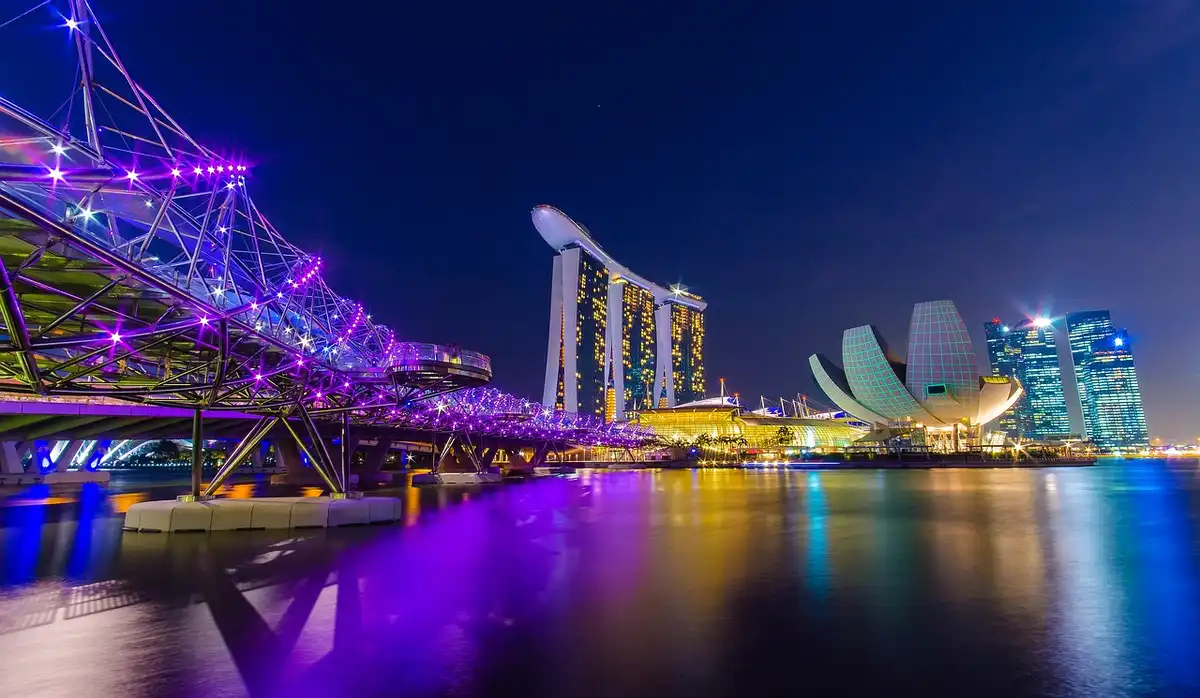
Recently, the signature, bunker-like casino is opening up. Integrated resorts now use skylights, big windows, and airy architecture, especially around lounges and hotel lobbies, letting in daylight and offering guests pockets of calm. Digital art walls, kinetic lighting, and dramatic installations compete for attention, blending entertainment with gaming.
Different zones serve different moods: wellness centers, shopping promenades, and outdoor pools tempt non-gamers, often steering them straight through busy play areas. Illuminated Integration found that since 2022, six out of ten new casino builds now create distinct wellness or low-stimulation sections, catering to the increasingly vocal calls for safer, more balanced gambling. More obvious exits and broad sightlines are also starting to appear, giving guests more control. Even so, the core focus, stimulating, immersing, and attracting players, hasn’t really changed.
The importance of responsible gambling
Casino architecture shapes behavior, but player well-being must come first. Transparent exits, wellness zones, and clear signage for support services are becoming standard. Responsible operators provide ample information on setting personal limits and accessing help.
Whether designing a gaming floor or a virtual casino, prioritizing safe play benefits everyone. Awareness and responsible design can coexist, ensuring the gaming environment remains both engaging and protective of its players.
Comments on this guide to How casino architecture shapes gaming environment article are welcome.
Buildings
Contemporary Property Articles – recent architectural selection from e-architect below:
London Architecture Designs – chronological list
Comments / photos for the How casino architecture shapes gaming environment page welcome.


