Spatial Psychology in Entertainment Design: How Casino Architecture Shifted from Physical Walls to Virtual Spaces
24 June 2026
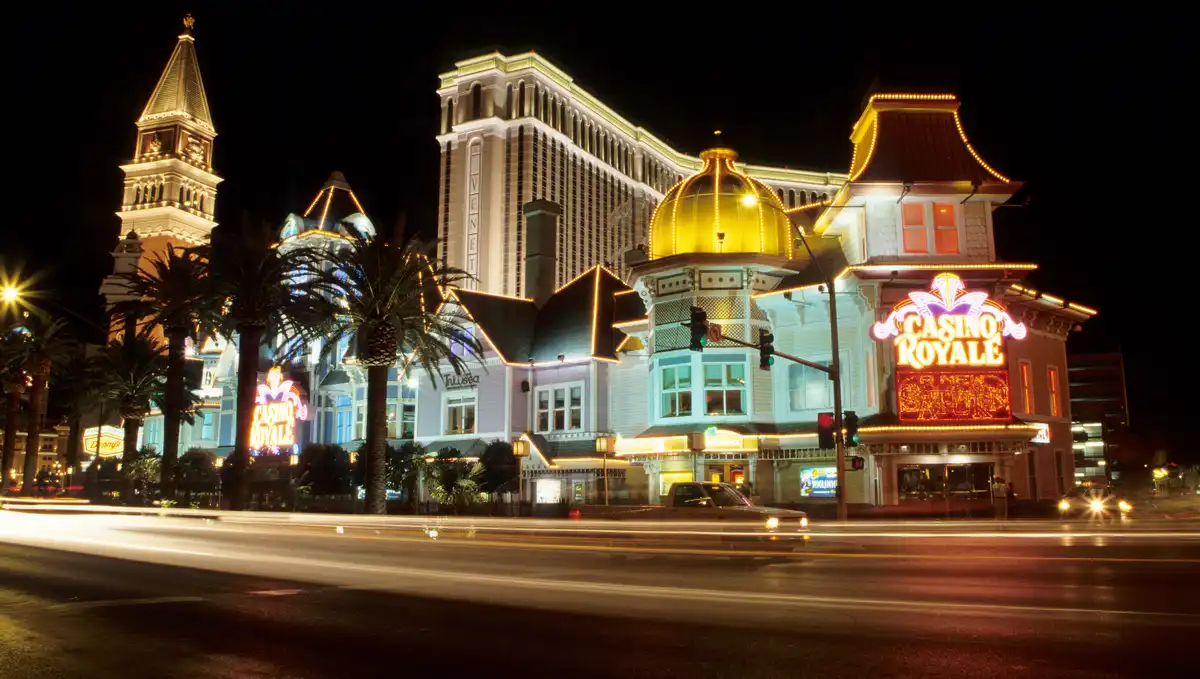
In the world of design and architecture, there is a discipline as fascinating as it is strategic: Casino Design. Born over 50 years ago, this field guides the planning and creation of casinos based on shifting theories and trends. Historically dominated by the “Maze” model—theorized in the 1970s by Bill Friedman—this initial approach featured labyrinthine, claustrophobic, and intentionally disorienting environments designed to keep players inside for as long as possible.
Today, however, the paradigm has shifted toward the “Playground” model, championed by David Kranes, which prioritizes open spaces, natural light, and a more fluid, engaging experience. This evolution proves that casino architecture has never been accidental; every single element, from room layouts to lighting management, is engineered to influence human behavior, warp the perception of time, and boost dopamine levels. Let’s explore how architecture shapes psychology and captivates audiences based on market trends and industry evolution.
From Labyrinthine Architecture to Experiential Spaces
For much of the 20th century, casino design followed a strict logic: creating closed, controlled environments. The “maze” model relied on low ceilings, a total absence of windows and clocks, narrow corridors, and deliberately confusing layouts. The goal was to disorient visitors and induce them to stay inside the venue as long as possible by erasing any connection to the outside world. This approach, heavily prevalent in Las Vegas throughout the ’70s and ’80s, reflected an almost manipulative vision of space.
Over the past two decades, however, hubs like Las Vegas and Macau have spearheaded a radical transformation. Modern casinos adopt monumental layouts, airy lobbies, and spectacular scenography, incorporating biomorphic elements such as waterfalls, indoor gardens, and massive glass surfaces. Natural light, once actively avoided, has taken center stage, helping create an environment that is both relaxing and stimulating. Among current trends in Casino Design is a heightened focus on storytelling and themed spaces, driven by a powerful emphasis on making people feel good within their surroundings.
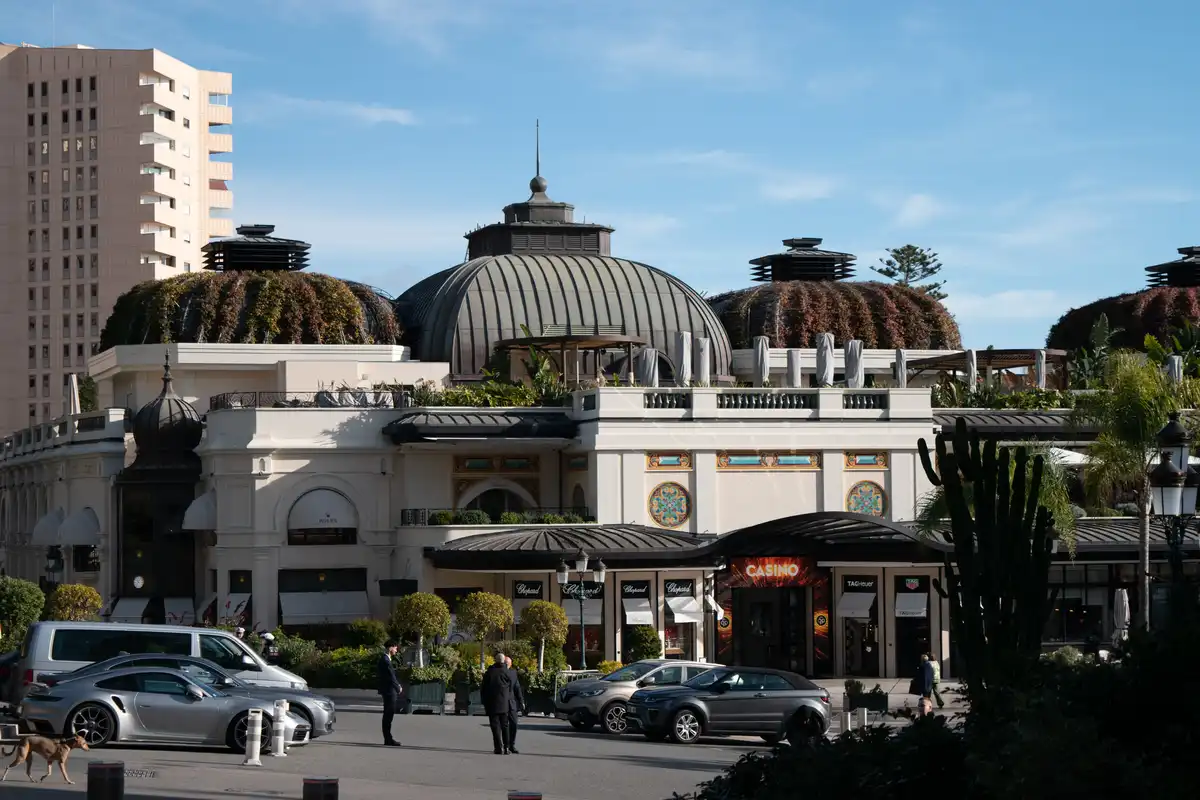
From Physical Space to the Digital Experience
As technology and gaming habits have evolved, casino design has broken through the boundaries of physical architecture, finding a new frontier in digital interface design. The very same principles used to guide visitors through a brick-and-mortar gaming floor are now applied to the engineering of online platforms, where UI and UX play a pivotal role. Intuitive navigation paths, calibrated visual cues, and instant feedback are vital tools for maintaining user engagement. The evolution of digital entertainment fits perfectly into this context, as explored in deep dives on digital gaming strategies and UX, which analyze the transition from physical to virtual design.
Environmental psychology shows that, whether designing physical layouts or digital interfaces, the core principles of entertainment architecture remain the same: maximizing user comfort and engagement. As capital investments pivot toward online platforms, leading industry aggregators like oddschecker serve as a benchmark for this virtual expansion, offering specialized guides on free slot incentives that illustrate how modern operators optimize digital touchpoints and no-deposit rewards to retain audiences even outside of physical walls.
This transition demonstrates that the concept of “space” is no longer restricted to concrete but extends deep into digital environments, where every click is the equivalent of a step, and every screen represents a new “room” custom-designed to captivate.
Conclusion
The evolution of Casino Design – from the maze model to immersive, experiential spaces, and finally to its virtual counterpart – highlights the central role of environmental psychology in entertainment. These structures must captivate, as seen in the architecture of Venetian palaces or Caesar’s Palace, which possess a timeless allure that hooks people at first glance. Whether dealing with physical architecture or virtual interfaces, the ultimate goal remains the same: creating deeply engaging user experiences. In this regard, casinos stand as some of the most advanced laboratories for studying the intersection of space, human behavior, and technology, offering invaluable insights for other sectors of contemporary design.
Comments on this guide to Level Up Casino Review 2026: What Kiwi Players Should Expect article are welcome.

Buildings
Contemporary Property Articles – recent architectural selection from e-architect below:
London Architecture Designs – chronological list
Comments / photos for the Entertainment design spatial psychology: casino architecture – modern gaming environment page welcome.